☆☆☆☆☆ Trustpilot | Independent Berkshire Roof Survey Specialists Call for Roof Survey 07833 053 749 Free Quote
Roof survey Berkshire Thames Valley North Wessex Downs Windsor Reading Newbury independent specialist

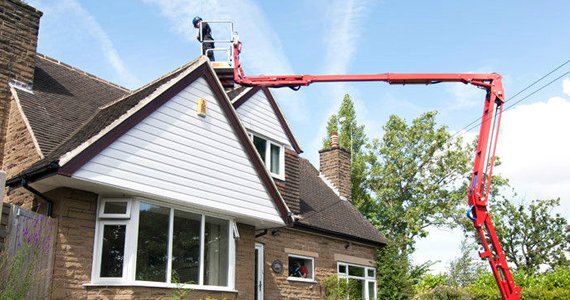
Roof Survey Berkshire

  • Complete Roof Condition & Structural Assessment
  • Detailed Report in 48 Hours
  • Detailed Photo-Supported Reports from £195
  • Independent Expert Assessment - No Sales Bias

How Your Berkshire Roof Survey Works

1

Call & Get an Exact Price

Tell us about your Berkshire property — the town or village, the property type, and the specific concern. Thames Valley riverside property in Reading, Maidenhead, or Wraysbury where flood plain humidity and elevated moisture are the primary factors; a Windsor, Newbury, or Hungerford conservation area property where listed building consent requirements apply; a Bracknell or Wokingham 1960s–80s suburban semi where concrete tile carbonation and hip mortar are the questions; or a pre-purchase survey anywhere in the county where the full programme needs costing before exchange. Price confirmed from £195 by phone immediately.

2

We Survey Your Roof

Our specialist assesses every relevant element in the context of your Berkshire location. Thames Valley properties: valley lead pitting rated against flood plain moisture acceleration, mortar condition assessed against riverside service life norms. North Wessex Downs rural properties: Welsh slate, clay tile, lead valleys, lime mortar — all assessed against conservation area material requirements. Suburban stock: concrete tile carbonation, hip mortar four-junction assessment, flat roof membrane condition where present. Every survey calibrated to your specific location’s environmental and planning context. Report within 48 hours.

3

Detailed Report in 48 Hours

Full written report with photographs, condition ratings, service life estimates, and a prioritised costed action list calibrated to your Berkshire location. Thames Valley reports note moisture exposure context for each lead element. Conservation area reports confirm listed building grade and like-for-like material requirements for each replacement element. Pre-purchase reports across all Berkshire areas provide full multi-element programme costs for informed exchange decisions. Report within 48 hours.

Berkshire spans three geologically and environmentally distinct zones that produce substantially different roofing challenges, and the county’s residential stock reflects 150 years of development history from Victorian railway expansion through Edwardian suburban growth to post-war new town planning and the modern commuter belt. A roof survey approach calibrated to a Victorian terrace in Newbury is not the same as one calibrated to a 1970s suburban semi in Wokingham or a Thames-side Victorian villa in Maidenhead. The county’s diversity requires location-specific knowledge at a level that standard residential surveyors working across broad geographies cannot reliably provide.

The Thames Valley corridor running through the county from east to west — through Reading, Caversham, Woodley, Earley, Maidenhead, and the flood plain villages of Wraysbury and Hythe End — is characterised by sustained elevated humidity from the Thames flood plain and its associated water table. Mortar in the most moisture-exposed positions along this corridor typically achieves a service life of 12 to 15 years before requiring replacement, compared with 18 to 22 years in the drier inland areas of the Downs. Lead valley pitting is accelerated in Thames-side positions by the consistently moist ambient atmosphere, which reduces the time between installation of a new lead valley and the onset of significant pitting. Properties in the Wraysbury and Hythe End flood plain require specific assessment of the relationship between flood plain moisture and roof-level ingress, as these are frequently confused in standard building surveys: the damp pattern from a failing valley lead on a Wraysbury Thames-side property is physically different from flood damp, but both may present as rear room moisture without specialist assessment of the roof element.

The North Wessex Downs in the south and west of the county — covering Newbury, Hungerford, and the surrounding rural parishes — presents a quite different set of challenges. The chalk upland is exposed to prevailing south-westerly weather from the Wessex plains, with no significant urban heat island effect and with wind-driven rain loading on the south and west elevations of any unshielded rural property significantly higher than in the Thames Valley towns. Victorian and Georgian market town stock in Newbury and Hungerford carries Welsh slate, lead valleys, clay plain tile, and lime mortar construction typical of the period and area; many of these properties are in the Newbury and Hungerford conservation areas and are subject to West Berkshire Council planning requirements for like-for-like material specification on any visible roof covering replacement. The North Wessex Downs National Landscape designation covers much of the rural area, and permitted development rights for roof alterations are more constrained within the National Landscape boundary than in standard residential areas.

Central and eastern Berkshire — Reading, Wokingham, Bracknell, Crowthorne, Sandhurst — is predominantly 1950s to 1990s suburban and new town stock. Bracknell was developed as one of the eight designated new towns under the New Towns Act 1946, with the first housing completed in the early 1950s. The original Bracknell new town housing stock, now 70 to 75 years old, includes a significant proportion of flat-roofed and low-pitch properties with original or early-replacement flat roof membranes that are at or approaching end of service life. The suburban semi-detached and detached stock of Wokingham, Crowthorne, and Sandhurst carries the standard 1960s to 1980s hipped roof profile with concrete or clay tiles at 50 to 70 years, hip mortar at four junctions per property, and the concrete tile carbonation pattern that affects the entire band of 1960s–80s suburban Berkshire development simultaneously.

Windsor and its immediate surroundings constitute a fourth distinct context within the county: the highest concentration of listed buildings and conservation area coverage in Berkshire, with the Royal Borough of Windsor and Maidenhead operating one of the more active conservation planning regimes in the south-east. Georgian and early Victorian residential stock in the Windsor conservation areas requires like-for-like Welsh slate and lead specification for any visible roof work, and the proximity of the Castle and the associated royal estate has historically produced a culture of higher-than-average maintenance standards in the residential fabric surrounding it.

Berkshire roof survey - Thames Valley humidity North Wessex Downs upland exposure Windsor conservation Bracknell new town flat roof

Berkshire Roofing Contexts We Assess

  • Thames Valley corridor: Flood plain humidity assessment — lead pitting rated against moisture-accelerated corrosion norms, mortar service life calibrated to riverside exposure, valley drainage adequacy for elevated water table areas
  • North Wessex Downs period stock: Welsh slate nail-sickness, lead valley condition, clay plain tile assessment — conservation area material requirements confirmed, West Berkshire Council and National Landscape consent implications noted
  • Windsor conservation area: Like-for-like Welsh slate and lead specification confirmed, Royal Borough of Windsor and Maidenhead listed building consent requirements identified for each replacement element
  • Bracknell new town flat roofs: Original and early-replacement flat roof membrane condition at 50–75 years — service life estimate and replacement programme cost
  • Suburban 1960s–80s stock: Concrete tile carbonation, hip mortar four-junction assessment, hip iron corrosion at run bases — Wokingham, Crowthorne, Sandhurst and the wider commuter belt
  • Wraysbury and flood plain villages: Roof-level vs flood damp distinction, valley lead condition against sustained moisture exposure

Berkshire Coverage Map

Roof survey Berkshire professional accreditations Berkshire roof inspection certifications

Berkshire’s property market ranges from Windsor townhouses at £600,000 to £2,000,000+, through Thames-side Victorian villas in Maidenhead at £700,000 to £1,500,000, to North Wessex Downs rural period properties at £500,000 to £1,200,000, and suburban family semis across the commuter belt at £400,000 to £700,000. At every level, independent specialist assessment calibrated to the specific location context — not a generic survey approach applied county-wide — is the difference between knowing what your roof is and what it will cost, and discovering it sequentially through reactive repairs.

All Berkshire Locations — Find Your Area

Select your Berkshire town or village for a dedicated specialist page with full location-specific roofing context, case studies, and coverage details.

East & Thames Valley Berkshire

Reading

Urban core, Victorian terraces, Thames flood plain eastern edge

Earley

Suburban Reading fringe, 1960s–80s stock

Woodley

Thames Valley moisture, suburban semi-detached

Maidenhead

Thames-side Victorian villas, elevated riverside humidity

Windsor

Conservation area, listed buildings, Royal Borough

Eton

Historic school town, Georgian and Victorian stock

Central & South-East Berkshire

Wokingham

Commuter town, 1960s–80s suburban semis

Bracknell

1950s new town, original flat roof membranes at 70+ years

Crowthorne

Suburban Surrey fringe, 1960s–80s detached

Sandhurst

Military town, suburban family stock

Slough

Post-war industrial, mixed residential stock

Beaumont

Thames proximity, riverside moisture assessment

West & Rural Berkshire

Newbury

Historic market town, period stock, conservation area

Thatcham

Post-war and modern development, Kennet Valley

Hungerford

Rural market town, North Wessex Downs, period properties

Wraysbury

Thames flood plain village, elevated moisture, riverside

Hythe End

Thames flood plain, riverside moisture assessment

Littleton Common

Surrey border, suburban fringe coverage

Berkshire Roofing by Zone — What Matters Where

Thames Valley Corridor (Reading, Maidenhead, Wraysbury)

The Thames is the defining environmental factor for every property within its flood plain. Elevated atmospheric humidity in riverside positions means that lead valley and flashing service life is shorter than the inland norm — the consistent moisture prevents lead from drying between rain events and sustains the electrochemical corrosion process at a faster rate. Mortar on ridges and hips in the most exposed riverside positions deteriorates 25 to 35% faster than equivalent mortar on the same property type 5 miles inland. Valley gutters on Thames-side properties require more frequent debris clearance because the sustained moisture sustains biological growth (moss, algae, lichen) at a faster rate than in drier positions, and biological growth accelerates debris accumulation and lead pitting simultaneously. Pre-purchase surveys in Thames Valley Berkshire should always establish the specific moisture exposure context of the property’s position — which is not the same for a property on elevated ground in Reading as for one at flood plain level in Wraysbury.

Windsor and East Berkshire Conservation Areas

The Royal Borough of Windsor and Maidenhead contains the highest concentration of listed and conservation area residential properties in Berkshire. The Windsor Castle buffer zone, the Windsor Town conservation area, and the numerous historic villages within the borough carry planning requirements that make like-for-like material specification mandatory for any visible roof work on designated properties. Georgian and early Victorian residential stock in Windsor town requires Welsh slate, cast lead valleys, and hydraulic lime mortar — none of which a standard suburban roofer will specify as default. Our surveys of Royal Borough properties note the listed building grade, the conservation area designation, and the specific material requirements for each identified replacement element throughout.

North Wessex Downs (Newbury, Hungerford, Rural West Berkshire)

West Berkshire’s chalk downland is among the most weather-exposed residential environments in the south-east outside coastal positions. Prevailing south-westerly weather systems that have travelled across the Wessex plains reach the North Wessex Downs without significant urban attenuation, producing wind-driven rain loading on south and west elevations that is substantially higher than in the Thames Valley towns 40 miles to the east. This translates to accelerated mortar deterioration on exposed ridges and chimneys of rural period properties — service life of 14 to 17 years on north-facing chimney pointing in an exposed Downs position versus 18 to 22 years in a sheltered town garden. The North Wessex Downs National Landscape designation covers much of the rural area around Newbury and Hungerford; West Berkshire Council applies the National Landscape planning policies within the designation, which affect permitted development rights for roof alterations on properties within the boundary.

Bracknell New Town and Central Berkshire Suburban Stock

Bracknell’s original new town housing, completed from the early 1950s through the 1960s, includes a significant proportion of flat-roofed and low-pitch properties constructed with the flat roof specifications of the post-war period. Original mastic asphalt membranes on 1950s Bracknell new town properties are now 65 to 75 years old — 25 to 35 years beyond the standard service life for mastic asphalt. Where early replacement membranes were applied in the 1980s, these too are at 40 to 45 years. The hipped suburban semi-detached stock of Wokingham, Crowthorne, and Sandhurst — predominantly 1960s and 1970s construction — carries the standard concrete tile carbonation pattern at 50 to 65 years, with hip mortar at four junctions per property requiring periodic inspection and replacement at service life intervals that the carbonation process accelerates.

Frequently Asked Questions — Roof Survey Berkshire

What makes Berkshire roofing assessment different from a standard survey?

Berkshire spans three geological and environmental zones — Thames Valley flood plain, North Wessex chalk upland, and central Berkshire clay and greensand — each producing different mortar service life norms, different lead corrosion rates, and different planning authority requirements. A survey approach calibrated to a suburban Wokingham semi is not appropriate for a Newbury Victorian townhouse in a conservation area, which is not appropriate for a Wraysbury riverside property in the flood plain. Location-specific calibration matters for every assessment element: the mortar service life estimate, the lead condition rating, the conservation area material requirement confirmation, and the programme cost projection all depend on where in Berkshire the property sits and what the environmental and planning context of that position is.

How much does a roof survey cost in Berkshire?

Roof surveys throughout Berkshire start from £195. Call 07833 053 749 for an exact price confirmed immediately — no forms, no waiting.

Do you cover all of Berkshire including rural areas?

Yes. We cover the full county including the rural west Berkshire villages and market towns of the North Wessex Downs, the Thames flood plain villages of Wraysbury and Hythe End, the commuter belt towns of east and central Berkshire, and all urban and suburban areas. Rural west Berkshire period properties often require more specialist assessment than suburban stock: Victorian and Georgian farmhouses, village cottages, and market town properties with Welsh slate, lead valleys, clay plain tile, and lime mortar construction need assessment calibrated to the age of the materials and the conservation requirements of West Berkshire Council and the North Wessex Downs National Landscape authority.

Are your surveys independent?

Completely. We survey only — no repairs sold, no contractors referred. Across Berkshire’s property market from £400,000 suburban semis to £2,000,000+ Windsor and Thames Valley period properties, independent assessment with no commercial interest in the programme scope is the only reliable basis for pre-purchase decisions and maintenance planning.

Berkshire Roof Survey — Find Your Location

From Thames flood plain villages where sustained moisture accelerates every element of roof deterioration, through Windsor conservation areas where listed building consent requirements determine material specification, to North Wessex Downs rural properties where chalk upland exposure tests ridge and hip mortar faster than any sheltered position, through Bracknell new town flat roofs at 65 to 75 years, to the thousands of suburban semis across the commuter belt where concrete tile carbonation and hip mortar deterioration are the defining questions — specialist assessment calibrated to your specific Berkshire location gives you honest condition information, programme costs, and the conservation context that determines what your options actually are.

Call 07833 053 749 now. Price confirmed from £195 by phone immediately. Detailed written report with photographs, condition ratings, service life estimates, conservation area material requirements where applicable, and full programme costs within 48 hours.

Professional Roof Survey from £195
Berkshire Specialists • Thames Valley, Windsor Conservation, North Wessex Downs & Commuter Belt
  • Reviewer Trust Pilot
  • Review 07-03-2026
  • Reviewed Item Roof Survey Berkshire
  • Author Rating ☆☆☆☆☆
No online forms. No waiting. Exact price in 60 seconds.
Call 07833 053 749 Get a Free Quote
☆☆☆☆☆ Trustpilot | Thames Valley, Windsor Conservation & North Wessex Downs Specialists