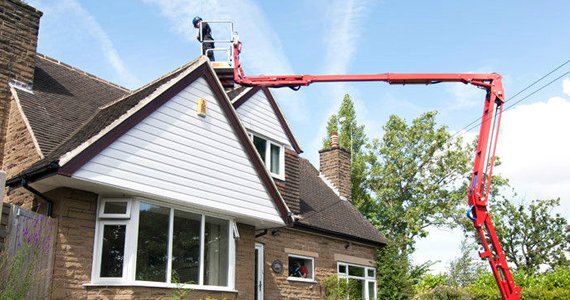
Tell us about your property — a 1930s or 1950s bungalow in Hythe End or Wraysbury, a semi-detached house with a flat roof garage or extension, a riverside property on the Thames bank, or any TW19 address. Fixed price from £195 confirmed by phone immediately. No forms, no waiting.
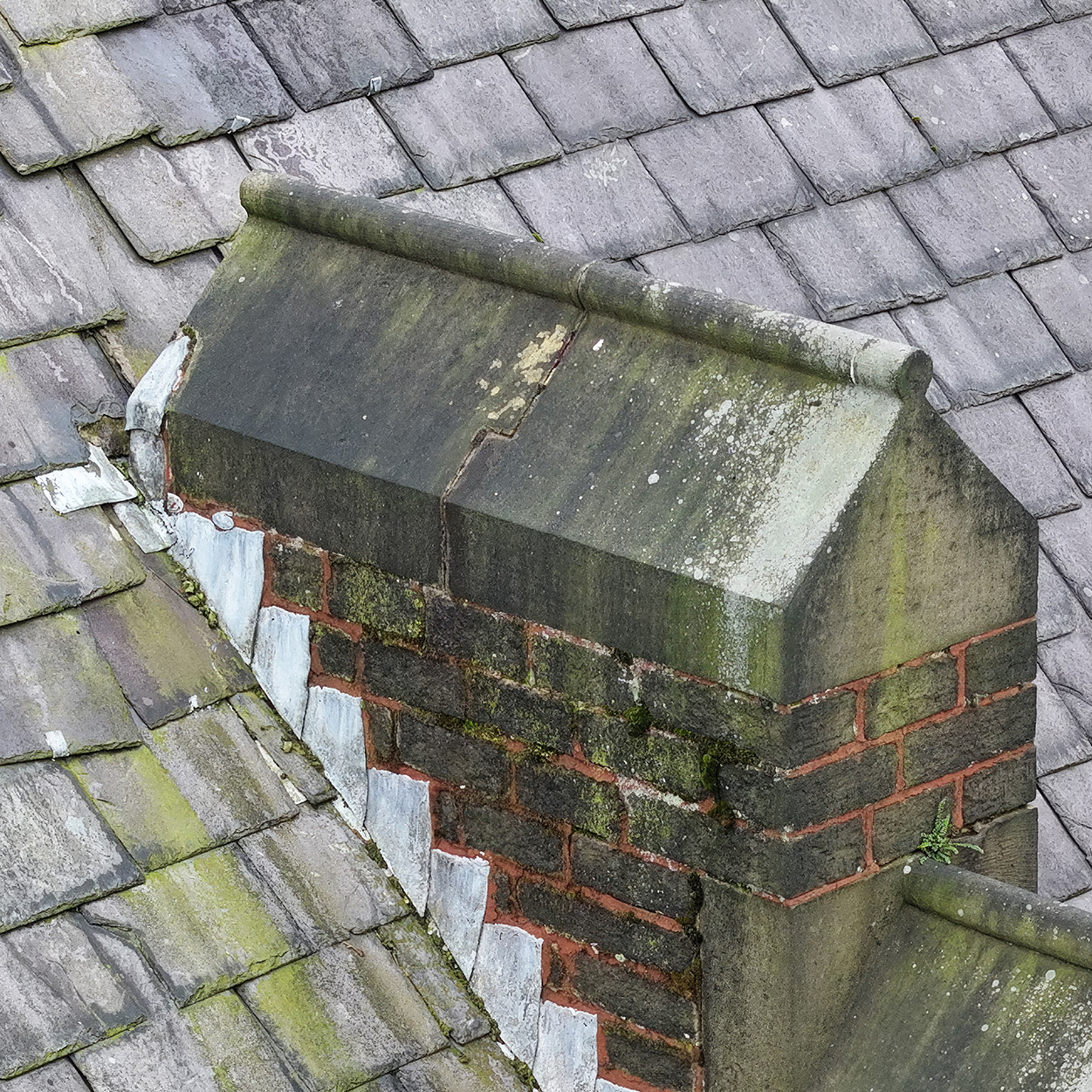
Our specialist inspects every element with Hythe End’s specific conditions in mind — concrete tile surface condition and remaining life, ridge mortar integrity, all flat roof sections on extensions and garages with physical access, lead flashings and valley gutters, chimney stacks, felt underlay condition where assessable, and moss accumulation patterns linked to the Thames valley humidity microclimate.
Full written report with photographs, condition ratings, remaining lifespan estimates, and a prioritised action list with budget figures. For buyers: costed schedules against current Wraysbury values. For flat roof owners: clear remaining life assessment and replacement vs repair recommendation. For landlords: portfolio-ready documentation with specific TW19 maintenance priorities.
Hythe End is a hamlet within the civil parish of Wraysbury, sitting on the south bank of the Thames between Staines-upon-Thames and Windsor on the Berkshire and Surrey border. The parish of Wraysbury has ancient origins — its Anglo-Saxon name means “Wigheard’s fortified place” — and it sits close to Runnymede, where Magna Carta was sealed in 1215. The area is bounded by the Thames to the north, the Colne to the west, and the Queen Mother Reservoir and Wraysbury Reservoir to the south — a landscape defined by water, and one that creates the specific environmental conditions affecting roofs throughout TW19.
The housing stock of Hythe End and the wider Wraysbury parish is predominantly inter-war and post-war: 1930s bungalows and semi-detached houses built during the Thames Valley’s suburban expansion, followed by 1940s and 1950s development as the area grew. These properties are now 70 to 90 years old. Their original concrete tile roofs were designed to last 40 to 60 years under standard conditions; many have already exceeded that lifespan and are showing the characteristic signs of end-of-life deterioration. The same generation of properties typically had flat-roofed garages, rear extensions, and bay window roofs added in the 1960s to 1980s — felt or asphalt flat roofs that are now universally at or beyond their expected service life of 15 to 25 years.
Hythe End and Wraysbury sit on Thames gravel terraces with alluvial deposits along the river margins — a low-lying, moisture-rich landscape surrounded on multiple sides by open water. The ambient humidity in this location is measurably higher than in drier inland positions, and the effect on roofing materials is specific and well-established. Moss and lichen colonise north and east-facing roof slopes more rapidly than in drier areas, and the retained moisture shortens felt underlay life beneath concrete tiles. Ridge and hip mortar softens and degrades faster in persistently damp conditions than it does on exposed, well-drained sites. Properties that would be fine for another decade in a drier location may be at the maintenance threshold today in the Hythe End microclimate.
For Hythe End buyers: A 1950s bungalow or semi with a flat-roofed garage and a concrete tile main roof in TW19 is a specific risk profile. The main roof may be at end of life, the flat roof almost certainly is, and the Thames humidity will have shortened the timeline on both. A £195 specialist survey before exchange quantifies this precisely — giving you either confidence or a negotiating position before you commit.
Nearby Areas: The same 1930s–50s housing stock and Thames humidity conditions affect nearby Wraysbury, Beaumont, and Eton.
A buyer purchased a three-bedroom 1952 semi-detached house in Wraysbury for £425K. The property had a concrete tile main roof, a flat-roofed single-storey rear extension added in the 1970s, and an integral garage with a felt flat roof. The homebuyer survey noted “roof appears in reasonable condition; flat roofs should be monitored.” No specialist survey was commissioned.
Month 6: After heavy autumn rain, a damp patch appears on the ceiling of the rear extension. A builder inspects and applies a coat of liquid waterproofing to the flat roof surface. Cost: £320. The patch disappears through the dry winter months.
Year 2: The extension ceiling damp returns and spreads. The garage flat roof develops a visible blister and then a split at a poorly supported bay. Investigation reveals the extension felt has cracked at all four upstands — the points where the flat roof meets the surrounding walls — and water has been tracking behind the upstands into the wall structure. The garage felt is split in three places. Meanwhile, moss has built up heavily on the north-facing main roof slope, and a ridge tile section has softened and begun dropping pieces.
Year 3: Full investigation reveals: extension flat roof requires complete strip and replacement (£3,800); garage flat roof requires replacement (£1,600); main roof ridge mortar requires full rebed along the north slope (£1,400); north-facing tile face erosion from moss retention has thinned the surface layer and the tiles are approaching replacement threshold. Total immediate remediation: £6,800, with full re-roofing of the main roof likely within 5 years at an additional £8,000–£12,000.
What a £195 Roof Survey Would Have Shown: “Extension flat roof felt is cracked at all four upstands — active water ingress likely. Replacement required within 12 months; budget £3,500–£4,200. Garage felt split at three points — replacement required. Main concrete tile roof: surface carbonation visible on north slope, tiles at 70–75% of expected service life; plan for full re-roofing within 5–8 years and budget accordingly. Ridge mortar softening on north slope — repoint within 2 years. Thames valley humidity is accelerating moss colonisation and tile deterioration — annual moss treatment recommended.”
The Lesson: In Hythe End and Wraysbury’s 1930s–50s housing stock, flat roof extensions and garages are almost universally at or beyond their service life, and the main concrete tile roofs are approaching their replacement threshold. The Thames humidity accelerates both timelines. A £195 survey identifies exactly where each element sits — information that is essential before purchase and useful at any point for maintenance planning.
Surveying Hythe End and Wraysbury properties requires understanding the specific age profile of the TW19 housing stock — inter-war and post-war concrete tile roofs, 1960s–80s flat roof extensions, and the Thames valley humidity that shortens the lifespan of every roof component relative to drier inland locations. We combine RICS-registered surveyor qualifications with hands-on knowledge of this property type and its characteristic failure patterns. Your report tells you exactly what your roof needs and when.
For Hythe End and Wraysbury properties, a specialist survey from £195 tells you the remaining life of every roof element — concrete tile main roof, flat roof extensions, garage roofs — with the specific context of Thames valley humidity factored in. This is information you cannot get from a standard homebuyer report, and it is the difference between buying with confidence and discovering £6,000–£10,000 of deferred maintenance after exchange. Survey from £195. Exact quote by phone immediately. Report within 48 hours.
Call 07833 053 749 now. No forms. No waiting.
The 1930s to 1950s bungalows and semis that make up the majority of Hythe End and Wraysbury’s housing stock have concrete tile roofs that are now 70 to 90 years old — well beyond the 40 to 60 year design life of the original materials. Key indicators visible in a specialist survey include surface carbonation (the grey powdering of the tile face as the cement matrix breaks down), micro-cracking along tile faces, north-facing tile erosion from sustained moss retention, and ridge mortar softening and crumbling across multiple sections.
Survey from £195 assesses the full tile condition, estimates remaining life, and tells you whether you are looking at ongoing maintenance, targeted partial replacement, or full re-roofing — and when. This distinction matters significantly for budgeting: targeted maintenance costs £500–£2,000; full re-roofing costs £8,000–£15,000 depending on property size.
The 1960s to 1980s flat-roofed rear extensions and garages added to the area’s post-war housing stock are now 40 to 60 years old — at or beyond the 15 to 25 year service life of the original felt or asphalt covering. The Thames valley humidity accelerates deterioration: felt that might last 20 years in a drier location may reach failure in 12–15 years in TW19. The most common failure points are upstand junctions (where the flat roof meets the surrounding walls), edge trims, and drainage outlets.
Liquid waterproofing treatments applied over cracked or split felt address surface symptoms without reaching the actual failure points — typically the upstand junctions where water tracks behind the felt and into the wall structure. Survey from £195 accesses every flat roof section physically and identifies all failure points with photographs, giving you a clear replacement vs repair recommendation.
Hythe End and Wraysbury sit in a moisture-rich landscape bounded by the Thames, the Colne, and two major reservoirs. The consistently high ambient humidity creates conditions that accelerate several roof deterioration processes: moss and lichen colonise north and east-facing slopes more rapidly and more densely than in drier inland areas; felt underlay beneath concrete tiles softens and breaks down faster in persistently damp conditions; and ridge and hip mortar retains moisture for longer periods after rain, shortening its effective lifespan.
Properties in the lowest-lying positions — particularly those directly adjacent to the Thames bank or reservoir boundaries — show the most pronounced effects. Annual moss treatment is typically warranted rather than the 5–10 year cycle appropriate for drier locations. Survey from £195 assesses the current extent of humidity-related deterioration and provides a realistic maintenance schedule for the specific conditions at your property.
We assess all roof coverings (concrete tile, slate, flat sections), ridge and hip mortar condition, all flat roof sections with physical access, lead and other flashings, valley gutters, chimney stacks, bargeboards and fascias where visible, moss and algae extent, and felt underlay condition where assessable. Every element gets a condition rating, remaining lifespan estimate, and priority ranking with budget figures.
It means the surveyor could see the flat roof needed attention but was not able or willing to give you a specific condition assessment or lifespan estimate. It tells you nothing actionable. Our £195 specialist survey includes physical access to every flat roof section and gives you a specific remaining life estimate, a clear replacement vs repair recommendation, and a budget figure for the work — the information you actually need for purchase negotiation or maintenance planning.
Most Hythe End and Wraysbury surveys take 2–3 hours. Properties with multiple flat roof sections or complex roof geometry may require longer. Detailed written report with photographs delivered within 48 hours.
We cover the full TW19 postcode area including Hythe End, Wraysbury, and Stanwell Moor. Also serving TW18 (Staines), TW20 (Egham), and the surrounding Windsor and Berkshire areas. For Windsor SL4 see our Windsor page.
Wraysbury parish — which includes Hythe End — is one of the Thames Valley’s quieter residential areas, offering good value relative to neighbouring Windsor and Staines. The parish sits close to Runnymede, where Magna Carta was sealed in 1215, and its Anglo-Saxon origins are reflected in the name “Wigardesbyrig” from which Wraysbury derives. The village has a station on the Waterloo to Windsor line, making it popular with commuters, and the Thames and nearby reservoirs attract buyers seeking riverside and water-adjacent living at prices below those of central Windsor.
The predominant housing stock — 1930s to 1950s bungalows and semis at £350K–£550K — represents a specific risk profile for buyers. These properties are at the age where main concrete tile roofs are approaching their replacement threshold and flat roof additions are typically already past theirs. In the Thames humidity microclimate of TW19, both timelines are shortened relative to drier inland areas. A £195 specialist survey before exchange is not a luxury — it is due diligence on an asset where the roof condition alone can represent £5,000–£15,000 of future expenditure that is entirely predictable if you know where to look.
Hythe End hamlet, Wraysbury village, Wraysbury station area, Thames bank properties, Stanwell Moor border, and all TW19 addresses
Wraysbury, Beaumont, Eton, Windsor
TW19 (Hythe End, Wraysbury, Stanwell Moor), TW18 (Staines-upon-Thames), TW20 (Egham), SL4 (Windsor border)
Whether you are buying a 1950s bungalow in Wraysbury, own a semi with a flat roof extension, manage riverside rental properties, or simply want to understand whether your concrete tile roof needs maintenance or replacement — a specialist roof survey Hythe End from £195 gives you the specific information that standard surveys do not provide. End-of-life concrete tiles, failed flat roofs, and Thames humidity deterioration are all quantifiable and budgetable before they become emergencies.
Call 07833 053 749 now. Roof survey Hythe End from £195. Detailed report within 48 hours.