☆☆☆☆☆ Trustpilot | Independent Hungerford Roof Survey Specialists Call for Roof Survey 07833 053 749 Free Quote
Roof survey Hungerford mobile service

Roof Survey Hungerford Berkshire - Period Property & Chalk Subsoil Specialists

  • Complete Roof Condition & Structural Assessment
  • Period Property & High Street Building Specialists
  • Sarsen & Brick Chimney Stack Assessment
  • Detailed Photo-Supported Reports from £195
  • Independent Expert Assessment - No Sales Bias

Professional Roof Surveys Hungerford

How Your Hungerford Roof Survey Works

1

Call & Get an Exact Price

Tell us about your property — a 17th or 18th century High Street building, a Victorian terrace near the Kennet & Avon Canal, a modern property on the plateau above the valley, or anywhere in RG17. Fixed price from £195 confirmed by phone immediately. No forms, no waiting.

2

We Survey Your Roof

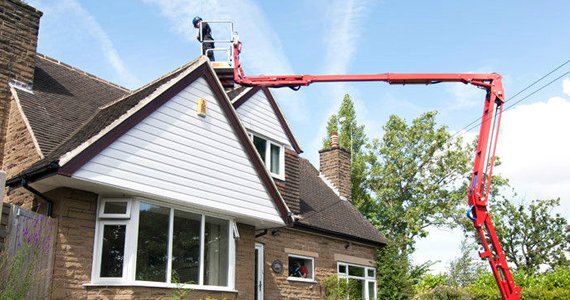
Our specialist inspects every element with Hungerford’s specific conditions in mind — chimney stack mortar type and condition (lime vs cement and the consequences), extension roof junction integrity on clay-with-flints sites, tile and mortar condition with moss and lichen assessment, all lead flashings and valley gutters, flat roof sections, and structural timber throughout.

3

Detailed Report in 48 Hours

Full written report with photographs, condition ratings, remaining lifespan estimates, and a prioritised action list with budget figures. For buyers: costed schedules against current Hungerford values. For period property owners: lime mortar and traditional material specifications. For landlords: portfolio-ready documentation with specific RG17 maintenance priorities.

Understanding Your Hungerford Property’s Roof

Hungerford is a market town on the River Kennet in western Berkshire, seven miles west of Newbury, where the valley bottom of the North Wessex Downs AONB meets the A4 — the old London to Bath coaching road. The town’s character comes from its history as an important staging post: the Bear Hotel on the High Street has been serving travellers since the medieval period, and it was here in 1688 that William of Orange’s envoys met James II’s representatives in the negotiations that preceded the Glorious Revolution. The High Street and surrounding streets contain buildings spanning four centuries, constructed from the materials available in the chalk and sarsen landscape of the surrounding Downs: local sarsen stone (silicified sandstone boulders), handmade brick from the 18th century onwards, flint from the chalk plateau, and lime mortar throughout.

This building history creates the first of Hungerford’s three specific roofing failure patterns. The older properties on the High Street and side streets were built with lime mortar throughout — in their walls, in their chimney stacks, and in their pointing. Lime mortar is slightly flexible and permeable: it allows moisture to evaporate through the joint rather than forcing it back into the masonry. When cement mortar is used to repoint these stacks during 20th century maintenance — as has happened to a significant proportion of Hungerford’s period properties — the result is the opposite of what was intended. Cement is harder than the surrounding sarsen or brick, impermeable, and inflexible. Moisture that cannot escape through the joint is forced into the stone or brick face instead, causing surface spalling and accelerating freeze-thaw damage progressively across the whole stack.

Chalk, Clay-with-Flints, and the Kennet Valley

Hungerford town sits on chalk with alluvial river terrace deposits along the Kennet valley floor. The plateau above and around the valley carries clay-with-flints — a stiff, reactive clay overlying the chalk that behaves very differently from the stable chalk beneath the town centre. Clay-with-flints swells significantly in wet winters and shrinks in dry summers. Properties on or near these plateau edge sites — including many of the village properties in Hungerford’s surrounding parishes — experience measurable seasonal foundation movement that progressively opens and reopens mastic and mortar seals at extension roof junctions. A seal that appears intact in autumn may have opened by spring; a seal re-masted in summer may be open again by the following winter. Only correctly detailed lead step flashing with movement-accommodating design provides a permanent solution at these junctions.

The Kennet valley location also creates a humid microclimate along the valley floor. Properties in central Hungerford and along the canal corridor experience higher ambient humidity and reduced airflow compared to the plateau above, creating conditions that favour accelerated moss and lichen colonisation on north and east-facing roof slopes. Heavy moss retention causes tile surface erosion and holds moisture against ridge and hip mortar, accelerating deterioration beyond what the age of the materials alone would predict.

For Hungerford buyers: Period properties here require specialist survey before exchange. Cement-repointed chimney stacks, clay-with-flints extension movement, and valley-bottom moss accumulation are all invisible in a standard homebuyer survey but each carries a four-figure repair cost. Survey from £195.

Nearby Areas: Similar chalk and sarsen geology with comparable period property issues characterises nearby Newbury and Marlborough to the west.

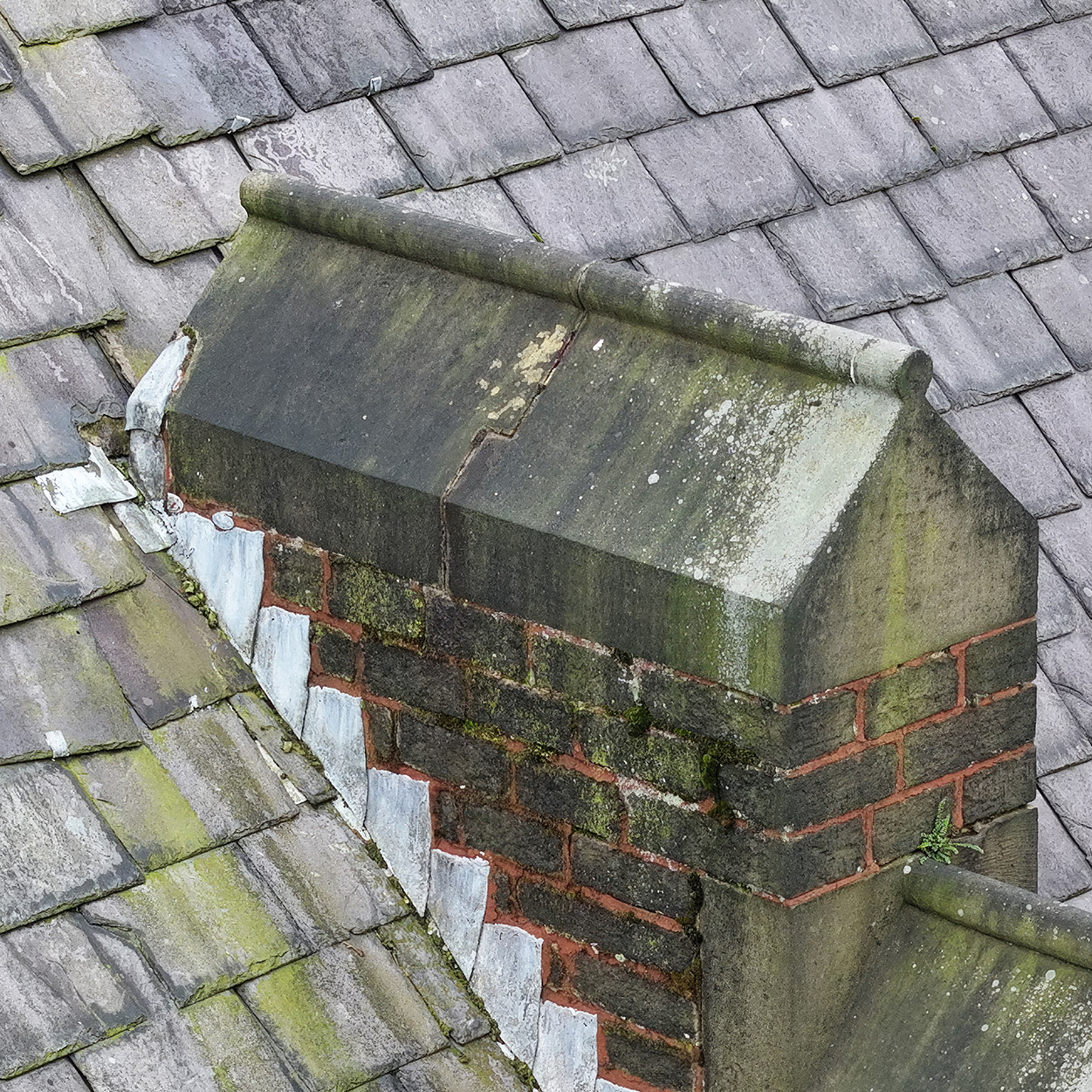
Hungerford roof survey - period property inspection

Hungerford Areas We Know

  • High Street & town centre: 17th–19th century sarsen, brick and flint buildings; lime mortar chimney stacks
  • Kennet & Avon Canal corridor: Former industrial and warehouse buildings converted to residential; valley-floor humidity
  • North Standen Road & plateau edge: Properties on clay-with-flints; extension junction movement risk
  • Eddington & outlying villages: Rural properties; North Wessex Downs wind exposure
  • Victorian terraces: Mid-late 19th century brick stock; original Welsh slate roofs

Our Hungerford Coverage Area

Why a £195 Roof Survey Matters in Hungerford

High Street Period Property — The Pattern We See in Hungerford

A couple purchased a three-bedroom period property on one of Hungerford’s central streets for £650K. The building had an 18th century core, a Victorian rear addition, and a 1980s ground-floor extension. The homebuyer survey noted “chimney stacks in fair condition” and “roof generally satisfactory.” No specialist survey was commissioned.

Year 1: Damp patch appears on the chimney breast in the upstairs bedroom. A roofer inspects and repoints the chimney stack with cement mortar. The damp returns.

Year 2: The extension roof junction shows staining on the internal ceiling after heavy rain. Mastic is applied along the junction line. Damp on the chimney breast continues to spread and plaster begins to blow. The roofer applies further cement repointing and a waterproof sealant coat to the stack.

Year 3: The chimney stack face material begins to spall visibly — pieces of brick face detaching across two courses. Investigation reveals the previous cement repointing has trapped moisture in the brick face across the entire stack. Simultaneously, the extension junction re-opens for the third time and a structural engineer’s report identifies clay-with-flints subsoil movement beneath the extension slab as the cause. Full remediation: complete cement hack-off and lime repointing of both stacks (£3,200), extension junction lead step flashing with movement-accommodating detail (£1,800), internal plaster strip and dry-out on chimney breast (£1,400), north-facing slate ridge rebed (£900). Total: £7,300. Plus three years of ineffective patch repairs that accelerated the chimney damage.

What a £195 Roof Survey Would Have Shown: “Both chimney stacks have been repointed with cement mortar incompatible with the original brick and lime construction. Moisture entrapment causing early-stage brick face spalling visible on the north stack. Recommend immediate cement hack-off and lime repointing before spalling accelerates. Extension roof junction is mastic-sealed over clay-with-flints subsoil — movement will re-open repeatedly; lead step flashing with movement-accommodating detail required for permanent resolution. Budget £4,500–£6,000 for prioritised remediation.”

The Lesson: In Hungerford’s period properties, cement mortar applied to lime-built chimney stacks and mastic seals applied to extension junctions on reactive subsoil are the two recurring failures. Both are invisible in standard surveys and both worsen rapidly once established. A £195 specialist survey before purchase — or at first signs of damp — identifies both before the repair bill compounds.

Roof survey Hungerford professional accreditations Hungerford roof inspection certifications

Surveying Hungerford properties requires understanding the materials used in the town’s period buildings — sarsen stone, handmade brick, lime mortar — the geology of the chalk valley and the reactive clay-with-flints plateau above it, and the specific failure modes these create in combination. We combine RICS-registered surveyor qualifications with hands-on knowledge of these buildings and the North Wessex Downs building tradition. This means your report addresses what your specific Hungerford property actually needs, not a generic checklist.

Hungerford Property Owner Experiences

“Buying an 18th century High Street property. Your survey identified cement repointing on both stacks and explained exactly why it was causing the damp on the chimney breast. Armed with your costed report we negotiated £6,000 off. The vendors agreed to the deduction rather than reline the stacks themselves. Essential specialist knowledge.”
David & Frances W — Hungerford High Street Buyers
“Victorian terrace near the canal — had a recurring damp patch at the rear extension junction that two builders had ‘fixed’ with mastic three times in five years. Your survey explained the clay subsoil movement was opening the seal every year. One lead flashing installation and the problem is gone permanently.”
Susan K — Hungerford Canal Terrace Owner
“Buying a cottage on the edge of the Downs. Your survey covered the sarsen stone chimney, the clay subsoil risk at the extension, and the north-facing slate condition with the valley humidity factor. Exactly the specialist knowledge you can’t get from a standard homebuyer report. Paid for itself in the negotiation.”
Tom & Janet H — RG17 Cottage Buyers

Roof Survey Pricing — Hungerford Specialists

Professional Assessment from £195

For Hungerford properties valued at £400K–£800K+, a specialist roof survey from £195 is the most cost-effective investment you can make before exchange or before beginning maintenance. Cement-repointed chimney stacks, clay-with-flints extension movement, and valley-floor moss accumulation are all invisible in standard homebuyer surveys — but each carries a repair cost that compounds rapidly when left unaddressed. We assess every element, specify correct materials for period buildings, and give you prioritised findings with costs. Survey from £195. Exact quote by phone immediately. Report within 48 hours.

Call 07833 053 749 now. No forms. No waiting.

Three Roofing Failure Patterns Specific to Hungerford

1. Cement Repointing on Lime-Built Chimney Stacks

The most consequential failure mode across Hungerford’s period building stock. The town’s 17th and 18th century properties were built with lime mortar throughout. When cement mortar is used to repoint these stacks — as a proportion of every generation’s maintenance regime has done — the harder, impermeable cement forces moisture back into the brick or sarsen face rather than allowing evaporation through the joint. The result is progressive surface spalling that worsens with every freeze-thaw cycle.

The correct repair is complete cement hack-off across all affected sections and lime repointing matched to the original joint profile and mix. Applying further cement over existing cement, or waterproof sealants, accelerates the problem rather than solving it. Survey from £195 identifies which stacks have been cement-repointed and assesses the extent of existing spalling damage.

2. Clay-with-Flints Extension Junction Movement

Properties on the plateau edges and surrounding villages sit on clay-with-flints overlying the chalk. This reactive clay has a measurable seasonal volume change: wet winters cause swelling, dry summers cause shrinkage. Extensions on these sites experience foundation movement that progressively opens mastic and mortar seals at the junction between the extension roof and the main house wall.

Mastic repairs at these junctions fail repeatedly — typically within 12–18 months — because they cannot accommodate the seasonal movement. The permanent solution is correctly detailed lead step flashing with a movement-accommodating design that allows the two structures to move relative to each other without opening the waterproof seal. Survey from £195 identifies the subsoil type at each junction and specifies the appropriate repair.

3. Valley-Floor Moss Accumulation

Hungerford town centre and the Kennet & Avon Canal corridor sit in a sheltered valley-floor position with higher ambient humidity and reduced airflow compared to the surrounding plateau. This microclimate strongly favours moss and lichen colonisation on north and east-facing roof slopes. Heavy moss cover causes surface erosion of tile faces and holds moisture against ridge and hip mortar for extended periods, accelerating mortar deterioration significantly beyond what the age of the materials alone would predict.

Valley-floor Hungerford properties typically require moss treatment and removal every 5–7 years rather than the 10–15 year cycle appropriate for plateau properties. Survey from £195 assesses the current extent of colonisation and whether any underlying tile or mortar damage has already occurred.

Frequently Asked Questions — Roof Survey Hungerford

What exactly will the survey cover on my Hungerford property?

We assess all roof coverings (tile, slate, flat roof sections), ridge and hip mortar or dry-fix condition, all chimney stacks including mortar type identification (lime vs cement), lead flashings and valley gutters, extension roof junctions with subsoil type noted, moss and lichen extent, and structural timber where accessible. Each element gets a condition rating, remaining lifespan estimate, and priority ranking with budget figures.

Do you survey properties in the surrounding villages?

Yes. We cover the full RG17 postcode area including Hungerford town, Hungerford Newtown, Eddington, Shalbourne, and the surrounding villages and hamlets in western Berkshire and the North Wessex Downs AONB. Also covering nearby Newbury RG14 and Marlborough SN8.

How long does a survey take?

Most Hungerford surveys take 2–3 hours. Period properties with multiple chimney stacks or complex roof geometry may require longer. Detailed written report with photographs delivered within 48 hours.

My property is in a conservation area — does that affect the survey?

Hungerford town centre is a conservation area, and several surrounding properties are listed. Our surveys note listed building and conservation area status and specify repair approaches using materials that will satisfy planning requirements — lime mortar, natural slate, traditional lead — as well as solving the technical problem. Using incorrect materials on listed buildings can require expensive reversal work regardless of how well it solves the immediate leak.

Hungerford’s Property Market & What It Means for Roof Surveys

Hungerford has been a market town since receiving its charter in 1364 — the same charter that established the Hocktide custom still celebrated annually, in which Tutti-men tour the town collecting a penny and a kiss from every woman, one of the oldest surviving civic ceremonies in England. The town’s role as a staging post on the Bath Road brought prosperity that is still visible in the quality of its High Street buildings, and today Hungerford is well known as a centre of the antiques trade, with dealers concentrated on the High Street and Bridge Street attracting buyers from across the south of England.

This history means Hungerford’s property market includes a significant proportion of genuine period stock — 17th and 18th century properties built from local materials using traditional construction methods. These buildings are desirable and command prices from £400K for smaller cottages to well over £800K for larger High Street properties. At these values, the cost of a £195 specialist survey before exchange is a straightforward decision. The alternative — discovering cement-repointed chimney stacks causing progressive spalling, or a clay-movement extension junction requiring lead flashing, after purchase — typically costs £5,000–£10,000 in remediation that could have been anticipated, negotiated, or budgeted before exchange.

Hungerford Property Facts

  • Market town on River Kennet, 7 miles west of Newbury
  • Market charter from 1364; antiques trade centre
  • Coaching history: Bear Hotel on A4 Bath Road
  • 1688 Glorious Revolution negotiations held here
  • North Wessex Downs AONB location
  • Geology: chalk valley floor, clay-with-flints plateau
  • Building materials: sarsen stone, brick, flint, lime mortar
  • Kennet & Avon Canal passes through town
  • Postcode: RG17
  • Property values: £400K–£800K+

Service Areas — Hungerford & Surrounding

Hungerford Areas Covered:

Hungerford High Street and town centre, Hungerford Newtown, Eddington, Bridge Street and canal corridor, North Standen Road and plateau edge, surrounding parishes and hamlets in RG17

Surrounding Areas:

Newbury, Thatcham, Marlborough, Eton

Postcode Coverage:

RG17 (Hungerford, Lambourn), RG20 (Kingsclere, Highclere border), SN8 (Marlborough border)

Why Hungerford Property Owners Choose Us

  • Period Property Knowledge: Sarsen, brick and lime construction — correct repair materials specified
  • Geology Awareness: Chalk valley vs clay-with-flints plateau — different risks assessed separately
  • Conservation Area Compliance: Repair specifications satisfying planning requirements
  • Cement vs Lime Identification: Critical distinction for period chimney stacks
  • Honest Independence: Surveys only — no repair contracts
  • Local Knowledge: Every Hungerford street and surrounding village understood

Protect Your Hungerford Property Investment

Whether you are buying a period property on the High Street, own a Victorian terrace near the canal, have a cottage on the North Wessex Downs plateau edge, or simply want to understand what your roof actually needs — a specialist roof survey Hungerford from £195 is essential. Cement-repointed chimney stacks, clay-with-flints extension movement, and valley-floor moss accumulation are invisible in standard surveys and expensive when left until water damage forces the issue.

Call 07833 053 749 now. Roof survey Hungerford from £195. Detailed report within 48 hours.

Professional Roof Survey Service
Hungerford Specialists • Roof Survey Specialists
  • Reviewer Trust Pilot
  • Review 07-03-2026
  • Reviewed Item Roof Survey Hungerford
  • Author Rating ☆☆☆☆☆
No online forms. No waiting. Exact price in 60 seconds.
Call 07833 053 749 Get a Free Quote
☆☆☆☆☆ Trustpilot | Independent Hungerford Specialists