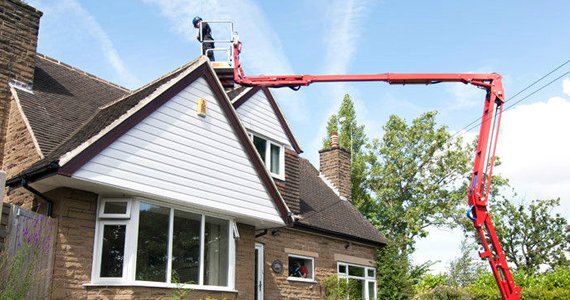
Tell us about your property — listed building on the High Street, period townhouse in the conservation area, family home in Eton Wick, or character property near the college. Fixed price from £195.
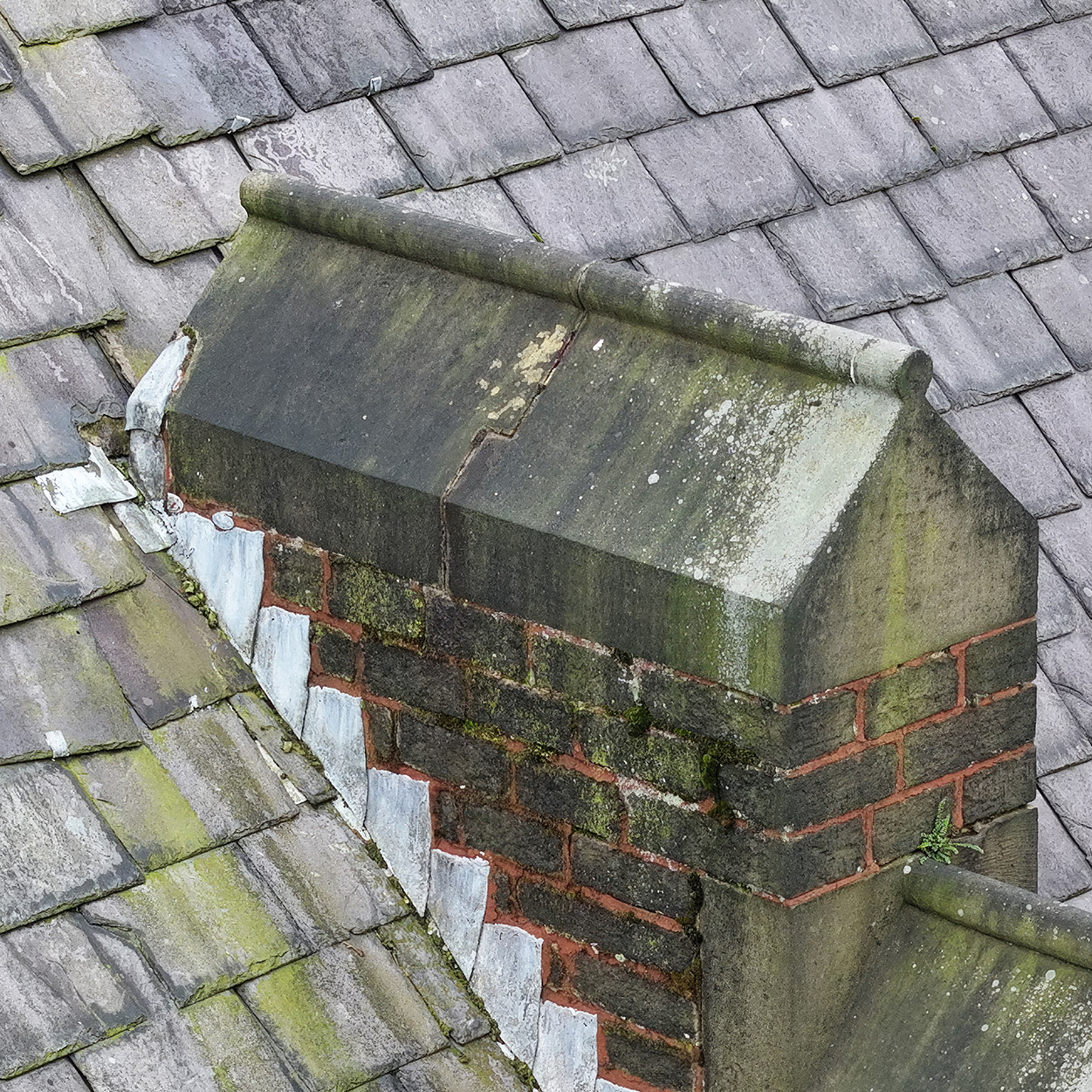
Our specialist assesses every element — slate and tile condition, lead flashings and valleys, chimney mortar, ridge tiles, timber structure, ventilation adequacy for floodplain humidity, wall plate moisture levels, and gutter condition. Heritage material assessment for conservation area compliance.
Full written report with photographs, condition ratings, remaining lifespan estimates, and a prioritised action list with budget figures. Conservation-appropriate material specifications and listed building guidance where applicable.
Eton is a small town in the Royal Borough of Windsor and Maidenhead, situated on the north bank of the River Thames opposite Windsor, connected by Windsor Bridge (built 1822, pedestrian only since 1970). The name derives from Old English Ēa-tūn meaning “River-Town” — an apt description, because Eton’s relationship with the Thames defines everything about it, including its roofs. The land belonged to Queen Edith, wife of Edward the Confessor, before the Norman Conquest, and appears in the Domesday Book of 1086. In 1440, Henry VI chose this small hamlet for what would become the most famous school in the world: Eton College, now second only to Winchester as the oldest public school in England. The entire town sits within a conservation area, with buildings dating from the 15th century to the present, including timber-framed structures from the 1420s and the Crown and Cushion Inn of 1600. A roof survey Eton assessment from £195 understands both the heritage and the hydrology.
Eton sits on Thames floodplain at approximately 23 metres above sea level, on alluvial gravel deposits over clay. Despite the Jubilee River flood relief channel (completed 2002, costing £110 million), the fundamental condition remains: high water table, persistent ground-level moisture, and properties that have lived with Thames proximity for centuries. This creates a roofing challenge that works from the bottom up. Moisture migrates upward through walls into wall plates — the timbers that connect roof to wall. Elevated humidity within roof spaces promotes condensation on the underside of slates and on timber surfaces. This moisture-from-below accelerates rot in locations that standard assessments, which only check tiles and flashings from above, never examine.
Within the conservation area, visible changes to rooflines require planning consent. Replacement materials must match the character of the building — natural slate rather than synthetic, handmade clay tiles rather than machine-pressed, lead rather than modern alternatives. Listed buildings face additional restrictions. This means that when floodplain moisture damages a roof, the remediation costs more because materials must be heritage-appropriate. A £195 survey identifies both the moisture damage and the conservation specifications simultaneously.
For homeowners: A £195 roof survey reveals whether floodplain moisture is attacking your roof timbers from below and whether previous work has used conservation-appropriate materials.
For buyers: Before committing £400K-£2M+ on an Eton property, a £195 roof survey reveals both moisture condition and conservation compliance — because non-compliant repairs in a conservation area can require removal and replacement at your expense.
Nearby Areas: We also cover Windsor, Datchet, Slough, and Maidenhead.
A couple purchased a Georgian townhouse on Eton High Street for £785K. Three storeys, original sash windows, period character, walking distance to Windsor across the bridge. Within the conservation area. The purchase survey described the roof as “slate covering in serviceable condition, some repointing recommended to chimney.” No specialist roof survey was commissioned. Survey done in July.
Year 1 (autumn): Musty smell develops in the top-floor bedroom. Condensation appears on the inside of the dormer window. Owners assume poor ventilation, open windows more frequently. Minor staining appears on the top-floor ceiling.
Year 2: Staining worsens over winter. Damp patches appear where the wall meets the ceiling on both sides of the top floor. Roofer checks externally — replaces three slipped slates and reseals a chimney flashing. Cost: £550. Problem improves in summer but returns each autumn.
Year 3: Specialist investigation reveals: the property sits on Thames floodplain with permanently elevated water table. Rising damp in the solid brick walls has been migrating upward into the wall plates at second-floor level. Both wall plates show early wet rot. Roof space humidity consistently above safe levels — inadequate ventilation for floodplain conditions. The roofer’s Year 2 slate replacement was appropriate for the external damage but missed the structural issue entirely. Original Georgian felt lath-and-plaster ceiling trapping moisture against the underside of the slates. Non-conservation-compliant cement mortar used in previous chimney repointing now trapping moisture within the historic brickwork. Wall plate replacement, ventilation improvement, conservation-appropriate chimney repointing in lime mortar, and breathable insulation: £14,000-£18,000.
What a £195 Roof Survey Would Have Shown Before Purchase: “This Georgian townhouse sits on Thames floodplain with high water table. Moisture meter readings in wall plates show elevated levels consistent with rising damp migration. Roof space humidity above safe parameters for floodplain conditions. Previous chimney repointing used cement mortar — non-compliant with conservation area requirements and trapping moisture in historic brickwork. Ventilation inadequate. Wall plates require monitoring and likely replacement within 3-5 years. Budget £10,000-£14,000 for wall plate renewal, ventilation improvement, and conservation-compliant chimney restoration.”
The Lesson: In Eton, a roof that looks fine from outside can be deteriorating from beneath. The Thames floodplain creates moisture that attacks structure from below, while the conservation area means all remediation must use heritage-appropriate materials. A £195 survey identifies both problems simultaneously — before you commit.
Professional roof surveys in Eton require understanding of Thames floodplain hydrology and how moisture migrates upward into roof structures, conservation area material requirements for the entire town, listed building restrictions for Eton’s many heritage properties, and the difference between lime mortar (breathable, conservation-appropriate) and cement mortar (moisture-trapping, non-compliant). We combine RICS-registered qualifications with specialist knowledge of period construction, floodplain conditions, and the Royal Borough’s conservation requirements.
From listed buildings on the High Street to period townhouses near the college to family homes in Eton Wick, professional roof survey Eton assessment from £195 provides heritage-aware, hydrology-informed intelligence. We assess floodplain moisture levels, wall plate condition, ventilation adequacy, conservation compliance, heritage material condition, and the critical distinction between top-down weathering and bottom-up moisture damage.
Exact quotes from £195 when you call. No surprises. Most Eton residential surveys from £195.
The Jubilee River flood relief channel (completed 2002) significantly reduces flood risk, but the fundamental condition remains: Eton sits on floodplain with a high water table. Even without surface flooding, ground-level moisture persistently affects buildings. Properties that never flood directly still experience accelerated timber deterioration from elevated humidity within their structures.
Historic buildings were built with lime mortar, which is breathable — it allows moisture to pass through and evaporate. Modern cement mortar is impermeable and traps moisture within walls. In a floodplain conservation area, using cement mortar creates a double problem: moisture trapped in historic brickwork AND non-compliance with conservation requirements. Our surveys identify inappropriate previous repairs.
All Eton and Eton Wick plus Windsor, Datchet, Slough, and surrounding areas.
Typically 2-3 hours on-site. Period and listed properties may take longer. Report within 48 hours.
From £195 for standard residential properties. Call 07833 053 749 for an immediate exact quote.
Yes. Eton Wick is a separate village two miles west of Eton town, on low-lying common land. While the town itself is predominantly commercial with period buildings, Eton Wick is residential with housing from the 19th century to modern. Eton Wick is more flood-vulnerable than the town centre. Our surveys assess the specific conditions of each location.
Eton offers historic charm within walking distance of Windsor. Windsor and Eton Riverside station provides South Western Railway services to London Waterloo (approximately 55 minutes). Windsor and Eton Central station provides GWR services to London Paddington via Slough (approximately 30 minutes to Slough, connecting to Elizabeth line). The M4 is accessible via Slough. The town’s High Street has antique shops, galleries, and restaurants. Eton College’s museums and grounds provide cultural amenity. Windsor Castle is a short walk across the bridge. Properties in Eton town are rare and premium, typically £500K-£2M+ for period townhouses. Eton Wick offers more accessible family housing from £300K-£750K.
At these values, a £195 roof survey Eton assessment is essential. Understanding whether floodplain moisture is degrading your structure from below and whether previous repairs comply with conservation requirements could save £10,000-£20,000 in heritage-appropriate remediation.
High Street, Conservation Area, Near College, Barnes Pool, South Field, Eton Wick, Common Road, Eton Wick Road
Windsor, Datchet, Dorney, Slough, Maidenhead
SL4 (Eton, Eton Wick, Windsor)
Whether you own a listed townhouse on Eton’s historic High Street, a period property near the college, or a family home in Eton Wick, professional roof survey assessment from £195 reveals how Thames floodplain moisture is affecting your structure from below while assessing your heritage covering from above. Conservation-appropriate materials, breathable construction, adequate ventilation — understanding all three prevents the expensive intersection of moisture damage and heritage non-compliance.
Call 07833 053 749 now. Roof survey Eton from £195. Report within 48 hours.