☆☆☆☆☆ Trustpilot | Independent Maidenhead Roof Survey Specialists Call for Roof Survey 07833 053 749 Free Quote
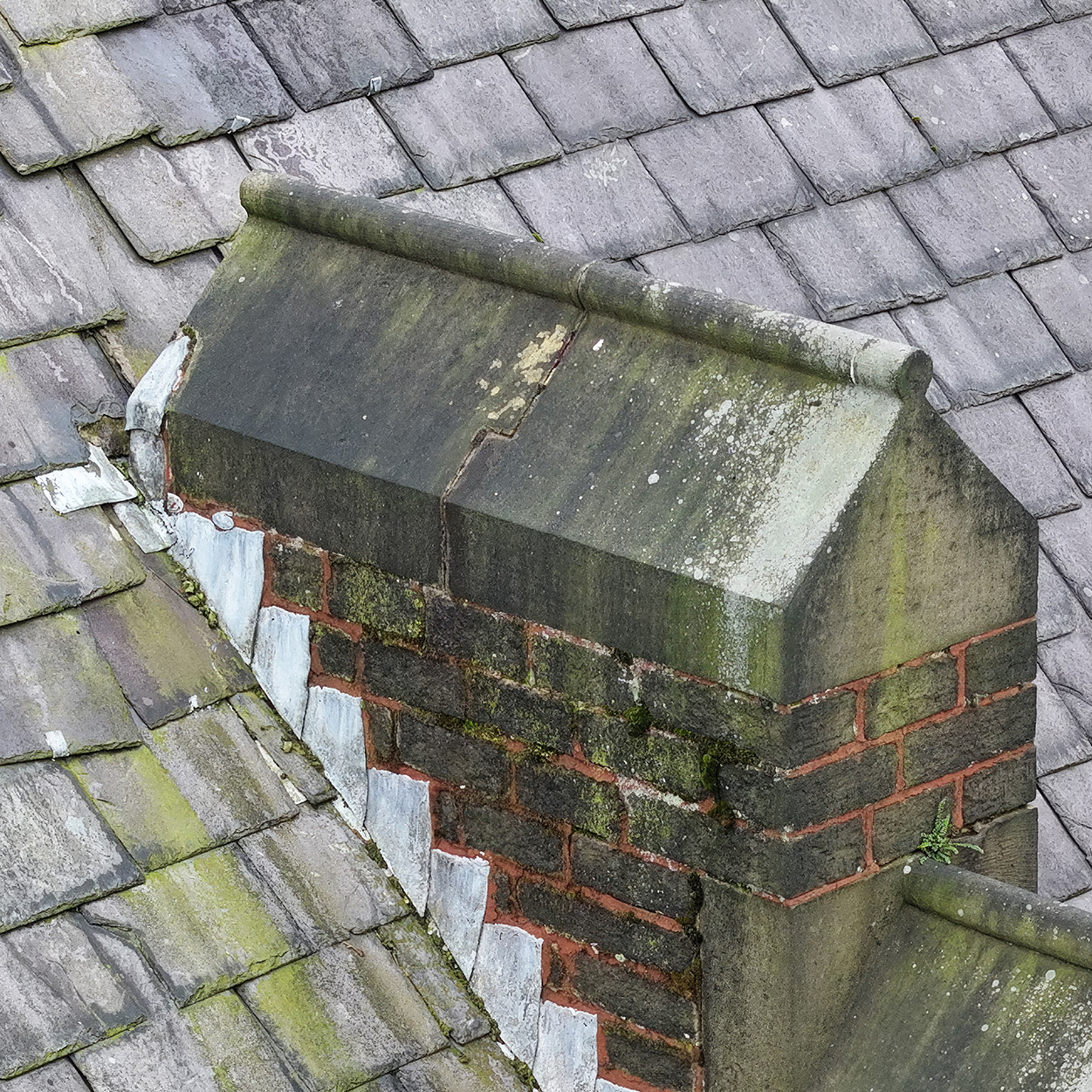
Roof survey Maidenhead Berkshire Victorian terrace and semi-detached

Roof Survey Maidenhead Berkshire

  • Complete Roof Condition & Structural Assessment
  • Detailed Report in 48 Hours
  • Detailed Photo-Supported Reports from £195
  • Independent Expert Assessment - No Sales Bias

How Your Maidenhead Roof Survey Works

1

Call & Get an Exact Price

Tell us about your Maidenhead property — a Victorian or Edwardian terrace on Boyne Hill or Castle Hill, a 1930s semi-detached on the Furze Platt or Pinkneys Green estates, a post-war property across the wider town, or a 1980s–90s executive home on the M4 corridor fringe. Price confirmed from £195 by phone immediately. No forms, no waiting.

2

We Survey Your Roof

Our specialist assesses every element matched to your property era — nail integrity and slate condition on Victorian roofs via tile-lifter inspection; lime mortar cohesion depth at ridge beds and chimney pointing; period lead flashing seal condition; felt underlay presence and condition on 1930s semis confirmed through loft inspection; concrete interlocking tile mortar and flashing on post-war stock; and any extension-to-original-roof junctions where water ingress risk concentrates.

3

Detailed Report in 48 Hours

Full written report with photographs, condition ratings for every element, remaining lifespan estimates, and a prioritised costed action list. For Victorian terraces: nail condition, lead flashings, lime mortar depth. For 1930s semis: underlay status, ridge mortar, extension junctions. For post-war homes: concrete tile condition, pointing, flashings. Report within 48 hours. For buyers: costed schedules for price negotiation.

Maidenhead is a substantial Thames-side Berkshire town with a housing stock that spans the full range of residential construction from the mid-Victorian era to the late 20th century. That breadth means the town contains genuinely distinct roofing challenges in different neighbourhoods, and understanding which challenge applies to which property is the foundation of a useful specialist survey.

The oldest residential stock sits in the streets climbing away from the town centre — Boyne Hill, Castle Hill, Ray Mill Road, and the terraced streets between them. Victorian and Edwardian properties here have Welsh slate or clay plain tile roofs laid without felt underlays, with lime mortar ridge beds, lime-pointed chimney stacks, and original lead flashings at abutments. These are roofs that have been in service for 100 to 140 years, in an environment where Thames Valley humidity is supplemented by the river’s direct proximity. The slate itself on many of these properties remains structurally sound — Welsh slate is extraordinarily durable — but the iron nail fixings corrode invisibly over a century while the surface appears fine, creating a nail-sick condition where individual slates progressively slip without obvious external cause. Lime mortar in ridge beds loses cohesion gradually, and lead flashings at chimney stacks and party wall abutments degrade from repeated thermal cycling over a century of service.

The inter-war expansion of Maidenhead created the large estates at Furze Platt to the north and Pinkneys Green to the north-west, and smaller developments in between. These are predominantly 1930s semi-detached and detached houses with low-pitched plain clay tile or early concrete tile roofs, built with original bitumen felt underlays that are now comprehensively perished. The tiles on these properties typically look sound — plain clay tile barely shows its age visually — but the felt underlay beneath, which acts as the secondary weather barrier when tiles are lifted or displaced by wind, has degraded to brittle, non-functional material. On low-pitched roofs like these, that underlay failure matters: wind-driven rain in sustained wet weather has direct access to the roof space without it. Many Furze Platt and Pinkneys Green semis have also had rear extensions added over the decades, and the junction between the original pitched roof and the extension flat or pitched roof is a concentrated water ingress point that specialist assessment locates precisely.

Post-war Maidenhead expanded substantially, with council and private estates filling the areas between the inter-war development and the town’s outer boundaries. 1950s, 60s, and 70s houses across these areas have concrete interlocking tile roofs where the primary issues are mortar pointing in ridge and hip assemblies, lead or lead-substitute flashing degradation, and in many cases the replacement of original felt underlays with breathable membranes during re-roofing works — though not all have been re-roofed, and original underlays from this era are also now past their serviceable life.

Thames flood plain risk is not abstract in Maidenhead: the town was among the worst-affected communities during the 2014 Thames floods, with the Bray area and parts of lower Maidenhead experiencing serious and sustained inundation. The humidity effects of flood-plain proximity are cumulative on roofing materials even in non-flood years — lime mortar erodes faster, lichen colonises north-facing slopes more aggressively, and the general moisture loading on period materials is higher than at comparable inland Berkshire properties.

What Standard Surveys Miss

Standard homebuyer surveys record tile type and visible surface condition. They do not assess nail fixing integrity on Victorian slate roofs, underlay condition on 1930s semis via loft inspection, lime mortar cohesion depth, or lead flashing seal condition at chimney stacks. These are the assessments that determine whether your Maidenhead property has years of serviceable life remaining or a significant expenditure imminent — and they require specialist knowledge and equipment.

Nearby Areas: Victorian slate and Thames riverside conditions similar at Windsor. Berkshire inter-war semi assessment also covered in Reading. Further: Beaumont, Hythe End, Eton.

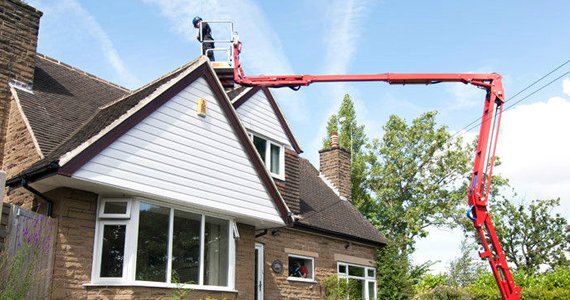
Maidenhead roof survey - Victorian terrace and 1930s semi inspection Berkshire

Maidenhead Roofing We Assess

  • Victorian & Edwardian terraces: Boyne Hill, Castle Hill, Ray Mill Road — Welsh slate, clay tile, no underlay
  • 1930s semis: Furze Platt, Pinkneys Green — plain tile, perished felt underlay, extension junctions
  • Post-war estates: Concrete interlocking tile, mortar, lead flashings
  • 1980s–90s executive homes: M4 corridor fringe — concrete and clay tile, valley and flashing condition
  • Thames flood plain effects: Elevated humidity impact on all period materials
  • Extension-to-roof junctions: Flat-to-pitched and pitched-to-pitched water ingress assessment

Our Maidenhead Coverage Area

Roof survey Maidenhead professional accreditations Maidenhead roof inspection certifications

Maidenhead’s housing stock spans nearly 150 years of residential construction across multiple distinct eras, each with its own roofing materials, failure patterns, and maintenance requirements. Providing genuinely useful surveys across that range demands formal qualification combined with direct working knowledge of Victorian lime mortar behaviour, inter-war felt underlay condition, and flood-plain humidity effects on period materials. We bring both to every Maidenhead survey.

The Perished Underlay on a Furze Platt Semi — A Maidenhead Pattern

Buyer Scenario — 1934 Semi-Detached, Furze Platt, Maidenhead

A couple purchased a three-bedroom 1934 semi-detached in Furze Platt for £485,000. The property had a plain clay tile roof in apparently good condition — tiles sitting straight, no obvious slippage, gutters recently replaced. The homebuyer survey noted “roof in satisfactory condition for age, recommend periodic maintenance.” No specialist survey commissioned.

First winter: During heavy November rain, a damp patch appeared at the top of the rear bedroom wall, tracking down from the ceiling corner. A local roofer replaced two tiles near the ridge and re-bedded some ridge tiles. Cost £350. The patch reappeared in the next heavy rainfall. Roofer returned, adjusted some more ridge tiles. “Should be sorted now.”

Second year: Damp returned in the same location plus a new patch appeared in the rear bedroom ceiling. A second roofer replaced the ridge tile mortar across the whole rear slope and pointed the chimney stack. Cost £680. Damp reduced in heavy rain but did not stop entirely. He noted the tiles “look fine, might be the felt.”

Third year: Persistent damp in wet weather plus a musty smell in the loft space prompted a specialist inspection. Loft inspection confirmed: the original 1934 bitumen felt underlay had disintegrated across both main slopes — fragments only, no continuous secondary weather barrier remaining. The rear slope pitch was approximately 18 degrees, at the lower end of functional range for plain clay tile. In sustained or wind-driven rain, water driven under tiles had no felt to intercept it and ran straight to the roof void. Loft timbers on the rear slope showed moisture discolouration consistent with repeated wetting over several seasons. Full re-roof required: strip, breathable membrane underlay, new batten, re-tile, ridge, flat roof section over rear extension: £12,200. Ceiling and internal plaster reinstatement in two rooms: £1,900. Timber treatment: £550.

What a Specialist Survey at Purchase Would Have Found: “1934 plain clay tile semi-detached. Tiles intact and structurally sound. Original bitumen felt underlay assessed via loft inspection as fully perished across both slopes — no functional secondary weather barrier. Rear slope pitch approximately 18° is at the lower functional limit for clay tile; underlay failure means wind-driven water ingress in wet weather. Ridge mortar showing significant erosion, repointing required within 12 months. Extension flat roof to original slope junction: lead flashing deteriorating, water ingress risk elevated. Full re-roof planned programme recommended within 12 months. Estimated cost £11,000–£13,000. Recommend price negotiation or retention.”

The Furze Platt Pattern: The 1930s semis across Furze Platt, Pinkneys Green, and the inter-war Maidenhead streets show this repeatedly. Plain clay tile looks fine from the street at 90 years old. The felt underlay beneath it does not. Early identification through specialist survey converts an emergency re-roof into a planned one — and gives buyers the information they need before exchange rather than after.

Survey cost: from £195. Saving identified: planned re-roof at £11,000–£13,000 versus emergency re-roof with internal remediation at £14,650+.

Maidenhead Homeowner & Landlord Experiences

"Buying a 1930s semi in Furze Platt. Your survey confirmed the felt underlay was completely gone across both slopes — invisible from outside, every tile sitting perfectly. We negotiated £9,000 off the asking price and had it re-roofed before moving in. The homebuyer survey had just said 'satisfactory for age'."
Chris & Helen B - Furze Platt Buyers
"Victorian terrace on Boyne Hill, slates slipping every winter without any obvious reason. Your survey used a tile lifter and found nail-sick conditions across the main slope — the nails, not the slates, were the problem. First time anyone had actually diagnosed it rather than just replacing the ones that had fallen."
Margaret O - Boyne Hill, Maidenhead
"Landlord with three Maidenhead properties — a 1930s semi, a 1960s terrace, and a Victorian end-of-terrace. Surveys on all three gave me a clear priority list and costed programme. The independent assessment, no upselling, is exactly what a portfolio needs."
Robert F - Landlord, Maidenhead SL6

Roof Survey Pricing — Maidenhead Specialists

Professional Assessment from £195

Roof surveys for Maidenhead properties start from £195. Whether a Victorian terrace on Boyne Hill requiring nail and lead flashing assessment, a 1930s Furze Platt semi where felt underlay condition is the critical unknown, a post-war property needing concrete tile mortar and flashing evaluation, or a pre-purchase survey giving you costed information before exchange — call 07833 053 749 for an exact price confirmed immediately. Report within 48 hours.

On a Maidenhead property worth £400,000–£650,000, discovering post-purchase that a perished underlay has caused progressive internal damage is an entirely avoidable cost. Pre-purchase specialist assessment puts you in control before you commit. Independent survey only — no repairs sold, no interest in inflating findings.

When You Need a Maidenhead Roof Survey

Buying a Maidenhead Property?

Maidenhead’s mix of Victorian slate roofs, inter-war tile over perished felt, and post-war concrete tile means the roofing issues differ significantly by street and decade. Standard homebuyer surveys do not assess nail fixing integrity on Victorian slate, underlay condition on 1930s tile roofs, or lead flashing seal condition at chimney stacks. Know the actual position before exchange — not after you’ve committed.

Slates or Tiles Slipping?

Recurring slippage on Victorian terraces in central Maidenhead is typically nail-sick — century-old iron fixings corroded beyond grip while the slate surface remains intact. Replacing individual slates without assessing fixing integrity across the slope addresses symptoms not causes. Specialist survey using a tile lifter identifies whether re-nailing or full re-slating is the appropriate response.

Damp Patches or Musty Loft Smell?

Internal damp in Maidenhead properties can originate from perished underlay on 1930s and 40s roofs, failed lead flashings at chimney stacks, eroded ridge mortar, or extension-to-original-roof junction failure. Each has a different cause, cost, and solution. Specialist assessment identifies the actual source so you address it rather than cycling through repair attempts.

Extension or Conversion Planned?

Many Maidenhead properties have had or are planning rear or side extensions. The junction between a new extension roof and the existing property roof is a concentrated water ingress risk that requires assessment before building works begin. Understanding the existing roof’s structural condition and material specification informs extension design and avoids costly integration problems discovered mid-build.

Post-Flood or Insurance Assessment?

Maidenhead was significantly affected by the 2014 Thames floods. Properties that experienced flooding or sustained elevated water table conditions benefit from roof structure assessment — loft timber moisture levels, drainage pattern changes, and any deterioration in period materials accelerated by the flooding period. Written reports for insurance or planning purposes provided within 48 hours.

Landlord or Portfolio Review?

Across a portfolio of Maidenhead rental properties spanning different decades, proactive specialist assessment across all properties establishes a costed maintenance programme rather than a reactive repair schedule. Independent survey with no interest in overselling work provides the honest baseline a portfolio needs.

Frequently Asked Questions — Roof Survey Maidenhead

Can underlay condition be confirmed without stripping tiles?

Usually yes. On 1930s and 40s Maidenhead properties, underlay condition is assessed through loft inspection — examining the underside of the roof deck, checking for brittleness or fragmentation at eaves, assessing any loft moisture indicators, and combining these findings with knowledge of how bitumen felt of this era behaves in Thames Valley humidity at 85–95 years of age. Specific areas can be inspected more closely via controlled tile lift where needed. Full stripping is not required for a reliable assessment.

How is nail-sick slate assessed?

Nail condition on Victorian terraces cannot be assessed from ground level or by visual inspection of the slate surface. Assessment requires using a tile lifter to check fixing integrity across a representative sample of the roof, combined with inspection of accessible fixings in the loft space. Where nail corrosion is confirmed, the survey report distinguishes between localised re-nailing and full re-slating to give you accurate costed options.

What is the cost of a survey in Maidenhead?

Roof surveys start from £195. Call 07833 053 749 for an exact price confirmed by phone immediately — no forms, no waiting, price based on your specific property type and size.

How long does a survey take?

Most residential surveys take 2–3 hours on-site, including full loft space inspection. Victorian terraces with complex chimney stacks or multiple inter-party wall abutments may take slightly longer. Full written report with photographs, element-by-element condition ratings, and prioritised costed recommendations delivered within 48 hours.

What areas of Maidenhead do you cover?

We cover all of Maidenhead SL6 including Boyne Hill, Furze Platt, Pinkneys Green, Cox Green, Bray, Cookham Rise, and all surrounding SL6 postcode areas. We also cover Windsor, Eton, Slough, Reading, and throughout Berkshire.

Are you independent of repair contractors?

Completely. We survey only — no repairs, no materials, no maintenance contracts sold. Our findings are reported as they are, not shaped by any interest in the remediation work. For Maidenhead homeowners trying to understand whether a Victorian roof needs re-nailing, a 1930s felt needs full replacement, or just ridge repointing, that independence is the foundation of a useful assessment.

Understanding Maidenhead’s Property Market

Maidenhead occupies a strong position in the Thames Valley property market, supported by its Elizabeth Line (Crossrail) connectivity to London, well-regarded schools, and proximity to both the Thames and the M4 corridor. The town’s housing stock reflects its development history: Victorian and Edwardian terraces in the established central streets typically trade between £450,000 and £650,000 depending on size and condition; 1930s semis on the Furze Platt and Pinkneys Green estates range from £420,000 to £580,000; post-war stock is broadly in the £380,000–£500,000 range; and the 1980s–90s executive houses on the town’s outer fringes reach £600,000–£900,000+.

Across all these price points, the roof is typically the most expensive single maintenance item a property will face in the medium term — a full re-roof on a Victorian terrace or 1930s semi runs £10,000–£16,000 depending on scope and materials. At Maidenhead prices, the cost of discovering this post-purchase rather than pre-purchase is significant: the difference between negotiating a price reduction before exchange and absorbing an unexpected capital expenditure after moving in. Specialist survey costing from £195 is the most straightforward investment available to a Maidenhead buyer or owner trying to understand what they actually have.

Maidenhead Property Facts

  • Victorian terraces: £450K–£650K
  • 1930s semis (Furze Platt): £420K–£580K
  • Post-war estates: £380K–£500K
  • 1980s–90s executive: £600K–£900K+
  • Thames flood plain — 2014 floods impacted area
  • Elizabeth Line commuter town
  • Royal Borough of Windsor & Maidenhead, SL6

Service Areas — Maidenhead & Surrounding Berkshire

Maidenhead Coverage:

Boyne Hill, Castle Hill, Furze Platt, Pinkneys Green, Cox Green, Bray, Cookham Rise, Maidenhead town centre, and all SL6 postcode areas

Surrounding Berkshire Areas:

WindsorEtonHythe EndBeaumontReading

Postcode Coverage:

SL6 (Maidenhead), SL7 (Marlow), SL4 (Windsor), SL8 (Bourne End)

Why Maidenhead Owners Choose Us

  • Victorian Slate Expertise: Tile-lifter nail assessment on Boyne Hill and Castle Hill terraces
  • Inter-War Underlay Assessment: Loft inspection confirming felt condition on Furze Platt semis
  • Lime Mortar Knowledge: Victorian and Edwardian mortar behaviour in Thames Valley humidity
  • Extension Junctions: Original-to-extension roof water ingress precisely located
  • Flood Plain Awareness: Thames proximity effects on period materials assessed specifically
  • Independent Only: No repairs sold — honest assessment every time

Understand Your Maidenhead Roof Today

Whether you’re buying a Victorian terrace on Boyne Hill and need nail and lead flashing condition confirmed before exchange, assessing a 1930s Furze Platt semi where felt underlay condition is the critical unknown, or want an independent view of your post-war concrete tile roof before planning maintenance — specialist assessment gives you the facts that matter. Not surface observation. Actual condition of the materials and components that determine your roof’s remaining serviceable life.

Call 07833 053 749 now. Price confirmed from £195 by phone immediately. Detailed written report with photographs and costed recommendations within 48 hours. Same-day service often available across Maidenhead and the surrounding SL6 area.

Professional Roof Survey from £195
Maidenhead Specialists • Victorian, Inter-War & Post-War Property Experts
  • Reviewer Trust Pilot
  • Review 07-03-2026
  • Reviewed Item Roof Survey Maidenhead
  • Author Rating ☆☆☆☆☆
No online forms. No waiting. Exact price in 60 seconds.
Call 07833 053 749 Get a Free Quote
☆☆☆☆☆ Trustpilot | Victorian, Inter-War & Post-War Roof Specialists