Tell us about your property — 1950s terrace in Priestwood, 1960s semi in Wildridings, 1970s detached in Birch Hill, or new build in Jennett's Park. We give you a fixed price on the phone from £195. No vague estimates, no hidden fees.
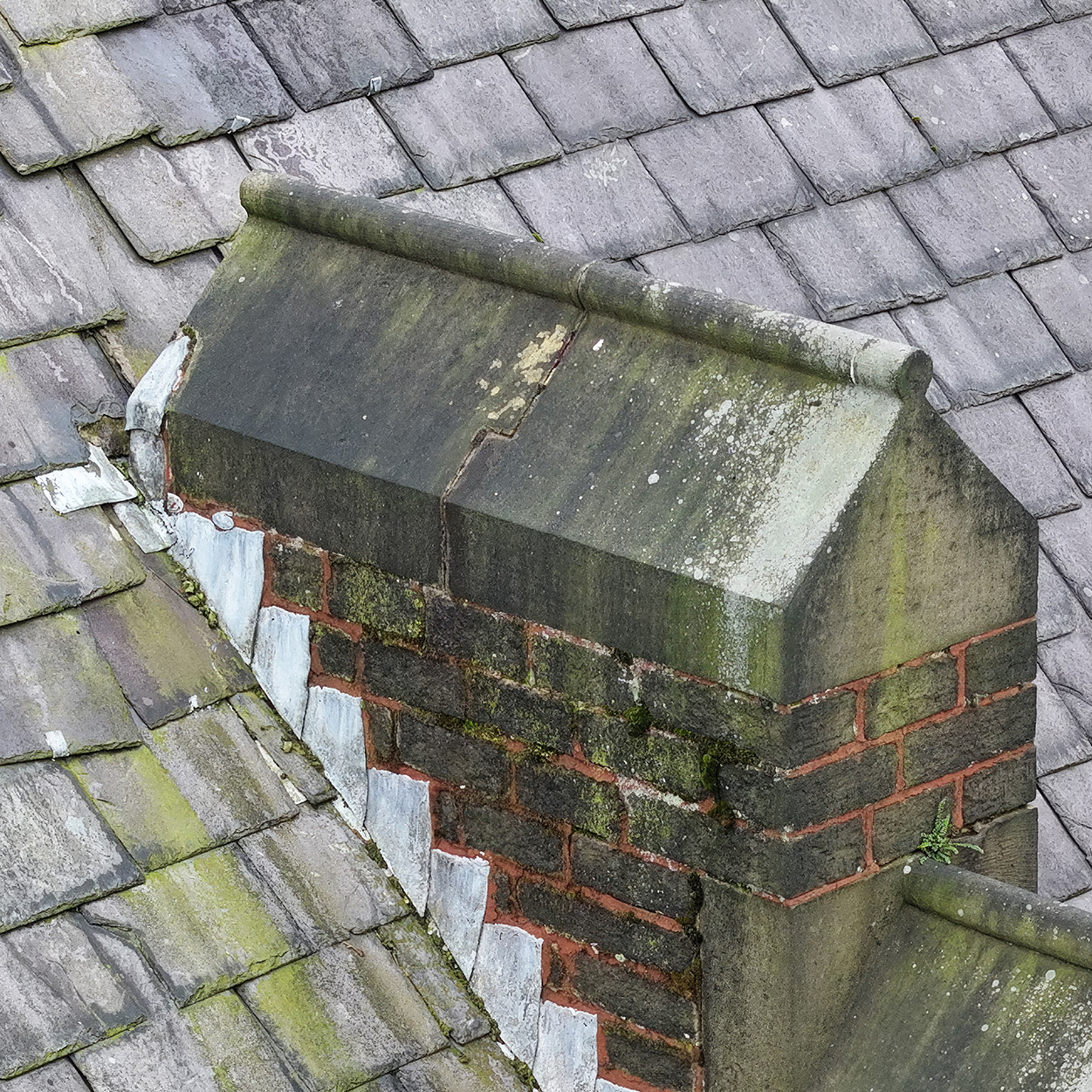
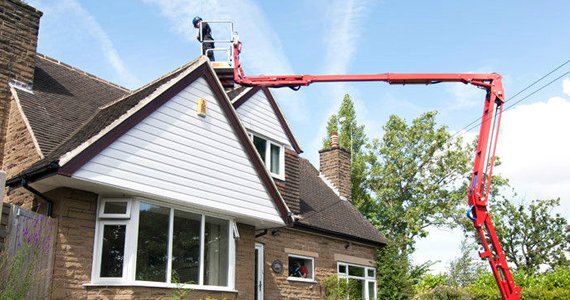
Our specialist surveyor assesses every element on-site — concrete tile condition and carbonation, felt underlay, flashings, chimney stacks, flat roof sections, gutters, and structural timber. Typically 2-3 hours. We photograph everything.
Full written report with photographs, condition ratings, remaining lifespan estimates, and a prioritised action list with budget figures. Clear answers, not surveyor jargon.
Bracknell was designated a New Town in 1949 and built in neighbourhood phases over four decades — each phase using the concrete tile products and construction standards of its era. The earliest neighbourhoods of Priestwood, Bullbrook, and Easthampstead were built in the 1950s, with Harmans Water completed by the late 1960s. These first-generation New Town homes have concrete tile roofs now 65-75 years old — well past the 50-70 year design life of the tiles. Wildridings and Great Hollands followed in the late 1960s, then Birch Hill and Hanworth in the 1970s, Crown Wood in the late 1970s, and Forest Park in the 1980s. A professional roof survey Bracknell inspection identifies exactly where your specific property sits in this deterioration timeline.
What makes Bracknell's roof challenge distinctive is the sheer concentration of concrete tile roofs all reaching critical age simultaneously. Across thousands of homes in the original neighbourhoods, concrete tiles are carbonating — the cement binder losing alkalinity as CO2 penetrates, making tiles progressively more porous and frost-vulnerable. The felt underlay beneath these tiles has typically perished after 40-50 years, meaning the tiles are the last line of defence against rain. When tiles crack or slip on these older roofs, water goes straight through. A roof survey Bracknell assessment from £195 identifies whether your tiles still have life or whether the combination of carbonation and perished felt means a re-roof is approaching.
A standard survey notes "concrete tile roof, some weathering." For a Bracknell property, that misses the critical question: what's the carbonation level? A 1955 Priestwood terrace tile behaves completely differently to a 1975 Birch Hill tile — same material, different era, different remaining life. Our roof survey Bracknell specialists test carbonation progression, assess felt condition from the roof space, and provide realistic remaining lifespan figures specific to your neighbourhood's construction generation.
For homeowners: Whether you're in a 1950s Priestwood terrace or a 1970s Hanworth detached, understanding exactly how much life your concrete tiles have left transforms anxiety into a clear maintenance plan. A £195 roof survey Bracknell assessment gives you that certainty.
For buyers: Bracknell's affordable entry point attracts families making their first purchase. Before committing, know whether you're buying a home that needs £15K-£20K re-roofing within 3-5 years. Our roof survey Bracknell reports give you realistic cost intelligence for confident decisions.
Nearby Areas: Similar New Town and post-war concrete tile properties feature in nearby Crowthorne and Wokingham, while period properties in Binfield and Warfield face different challenges.
A young family purchased a 1968 three-bedroom semi in Wildridings for £310K. The mortgage valuation noted "concrete tile roof, some weathering consistent with age." No specialist roof survey Bracknell inspection was commissioned.
Year 1: After winter frost, several tiles cracked on the north-facing slope. A roofer replaced them from his van stock — different profile tiles that didn't match but seemed to work. Cost: £180.
Year 2: Damp appeared around the chimney breast and in the back bedroom. The roofer returned, re-pointed the chimney and replaced more cracked tiles. Cost: £480. The damp returned within weeks.
Year 3: After persistent rain, water came through the bedroom ceiling. Emergency investigation revealed: the concrete tiles across both slopes had carbonated beyond recovery — porous, frost-damaged, and crumbling at the edges. The felt underlay had completely perished, leaving bare sarking boards visible from the loft. Chimney flashings had cracked as the stack settled. The flat-roof rear extension was also failing. Complete re-roof including chimney work: £17,000-£22,000.
What a Professional Roof Survey Bracknell Assessment Would Have Shown: "This 1968 property has concrete tiles showing advanced carbonation — surface porosity measured across both slopes confirms tiles have exceeded serviceable life. Felt underlay has perished completely. Chimney flashings cracked from stack settlement. Flat roof extension membrane degrading. Budget for complete re-roofing within 2-3 years: main roof replacement with modern concrete tiles and breathable membrane (£11,000-£14,000), chimney re-flash with Code 4 lead (£1,200), flat roof re-cover (£1,800). Total prioritised budget: £14,000-£17,000. Immediate priority: temporary repairs to prevent water damage while planning re-roof."
The Lesson: Across Bracknell's 1960s-70s estates, thousands of homes face this same timeline. A £195 roof survey Bracknell inspection identifies where your specific property sits on the deterioration curve — before cracked tiles become ceiling damage.
Professional roof surveys for Bracknell's New Town housing stock demand specific expertise in concrete tile assessment — understanding carbonation progression, felt underlay deterioration, and how each building phase's construction standards create different failure timelines across the town's neighbourhoods. We combine RICS-registered qualifications with detailed knowledge of Bracknell's phased development, from 1950s Priestwood through 1980s Forest Park to 2000s Jennett's Park.
For Bracknell properties where a complete re-roof costs £14,000-£22,000, a £195 professional roof survey Bracknell assessment is essential forward planning. We evaluate concrete tile carbonation levels, felt underlay condition, flashing integrity, chimney stability, and flat roof sections — providing realistic remaining lifespan figures specific to your neighbourhood's construction generation.
We provide exact quotes when you call — most Bracknell residential surveys from £195. No surprises, no hidden costs. You get the specialist New Town assessment that Bracknell's unique housing stock demands.
Bracknell's affordable prices attract first-time buyers and families — but older New Town homes may need £15K-£20K re-roofing within years. Before committing, a £195 roof survey Bracknell assessment tells you exactly what you're buying into.
Individual tile failures on Bracknell's older estates often signal systemic carbonation. We determine whether you need localised repair or whether the whole roof is approaching end of life — the difference between £200 and £20,000.
Developments like Jennett's Park, The Parks, and Amen Corner need professional roof assessment before NHBC warranties expire. We identify installation defects that builders should rectify under warranty.
Before investing in a loft conversion, understand your roof's structural capacity and tile condition. Our survey prevents discovering you need a complete re-roof halfway through a £30K extension project.
On Bracknell's older estates, damp often means perished felt rather than failed tiles. We identify the actual cause — critical for choosing the right repair approach and avoiding wasted money on the wrong fix.
Bracknell property values are rising as the town regenerates. Professional roof survey assessment from £195 protects your investment by identifying deterioration before it becomes emergency repair.
Over decades, CO2 from the atmosphere penetrates concrete tiles, reducing the cement binder's alkalinity. Carbonated tiles become progressively porous, absorbing water that then freezes and cracks the tile. Our Bracknell surveys measure carbonation progression to determine whether tiles can be maintained or need replacing.
Original concrete tiles were designed for 50-70 years. The 1950s neighbourhoods have exceeded this. 1960s-70s estates are at or approaching it. We provide property-specific lifespan estimates based on actual tile condition, not averages.
All Bracknell including Priestwood, Bullbrook, Easthampstead, Harmans Water, Wildridings, Great Hollands, Birch Hill, Hanworth, Crown Wood, Forest Park, Jennett's Park, The Parks, Martins Heron, The Warren, plus Binfield, Warfield, Crowthorne, and Wokingham.
Most Bracknell surveys take 2-3 hours on-site. We assess from both outside and within the roof space (where accessible). Detailed written report with photographs within 48 hours.
If tiles have adequate remaining life and felt is intact, targeted repair makes sense. If carbonation is advanced and felt has perished, individual repairs waste money — a planned re-roof is more cost-effective. Our survey tells you which situation applies to your specific property.
Roof surveys in Bracknell start from £195 for standard residential properties. We provide exact quotes when you call based on property size and roof complexity. No surprises. Call 07833 053 749 for an immediate price.
Bracknell's New Town designation in 1949 launched one of Britain's most ambitious planned developments. The original vision for 25,000 residents grew far beyond — today's population exceeds 120,000. The town was built on the neighbourhood principle: self-contained communities each with their own schools, shops, pub, and community centre. Priestwood, Bullbrook, and Easthampstead came first in the 1950s, with Harmans Water completing the original plan by the late 1960s. These neighbourhoods feature distinctive New Town architecture — including Easthampstead's Grade II listed Point Royal, a 17-storey Arup Associates tower that remains Bracknell's only high-rise.
The 1960s-70s expansion added Wildridings and Great Hollands (with their characteristic alphabetically-named streets), then Birch Hill and Hanworth (where streets have names but no road types — just "Frobisher", "Jameston", "Jevington"). Crown Wood followed in the late 1970s, Forest Park in the 1980s. Each phase used the concrete tile products available at the time, meaning tiles across the town are now at different stages of the same deterioration process. More recently, Jennett's Park (2007+) and other developments have added modern family homes, while major companies like Dell, Fujitsu, and Honda maintain headquarters here, supporting strong housing demand.
For roof survey Bracknell assessment, this phased history matters: a 1955 Priestwood tile has had 70 years of carbonation while a 1978 Crown Wood tile has had 48. Same material, vastly different condition. Professional assessment from £195 tells you exactly where your specific neighbourhood's tiles sit on that timeline.
Priestwood, Bullbrook, Easthampstead, Harmans Water, Wildridings, Great Hollands, Birch Hill, Hanworth, Crown Wood, Forest Park, Martins Heron, The Warren, Wick Hill, Whitegrove, Jennett's Park, The Parks, Amen Corner
Binfield, Warfield, Crowthorne, Wokingham, Sandhurst
RG12 (Bracknell town), RG42 (Binfield, Warfield), RG45 (Crowthorne)
Across Bracknell's New Town estates, thousands of concrete tile roofs are reaching critical age simultaneously. Whether you own a 1950s Priestwood terrace, a 1970s Birch Hill detached, or a new build in Jennett's Park, professional roof survey Bracknell assessment from £195 tells you exactly what condition your roof is in, how much life it has left, and what it will cost to maintain or replace. That's the intelligence you need for confident property decisions.
Call 07833 053 749 now for an immediate quote. Roof survey Bracknell from £195. Detailed report within 48 hours.