Tell us about your property — age, listing status, roof type, any concerns. We give you a fixed price on the phone. No vague estimates, no hidden fees. You know exactly what you're paying before you book.
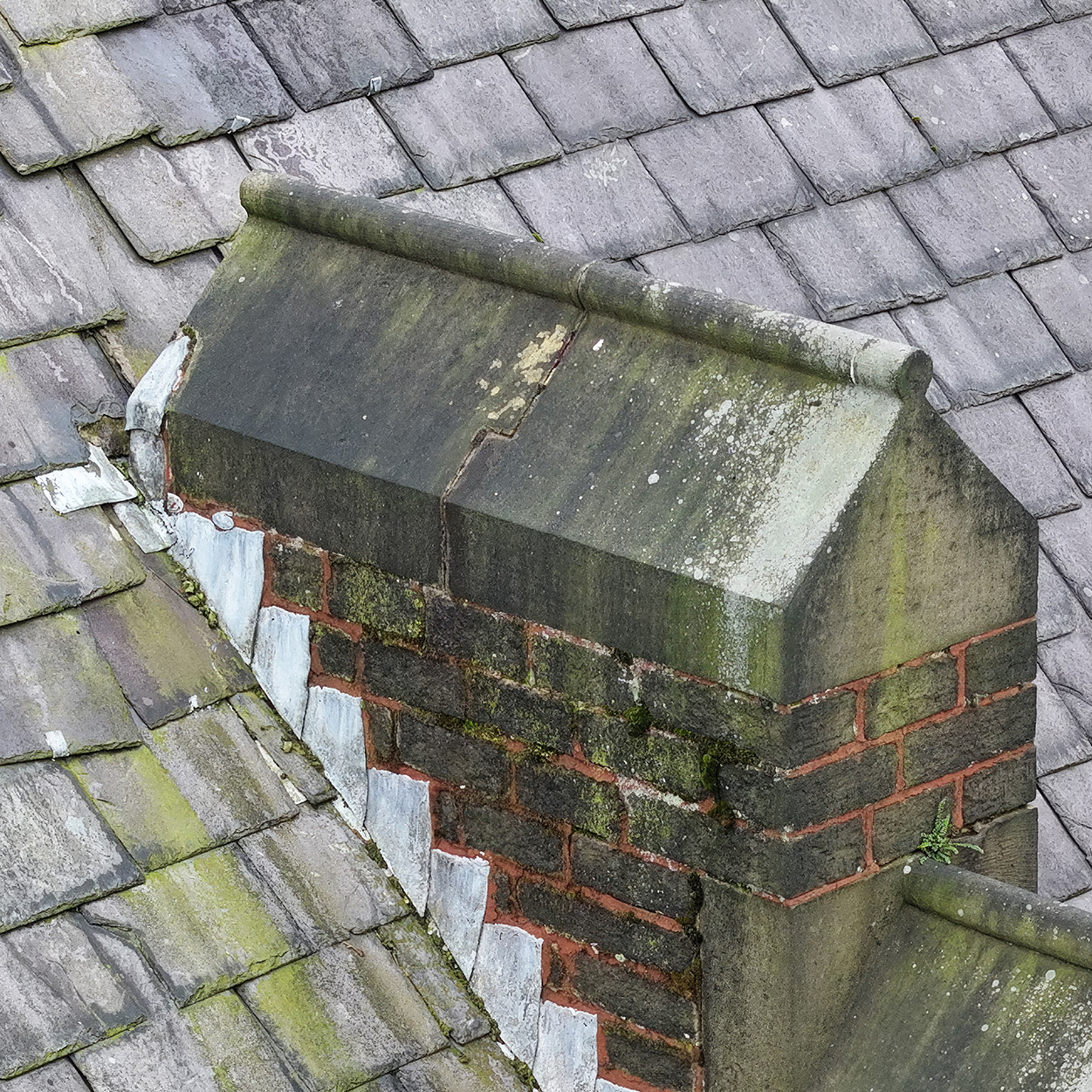
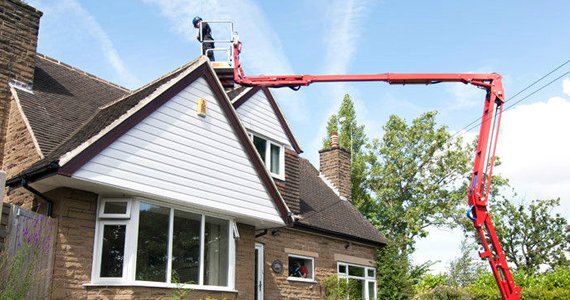
Our specialist surveyor assesses every element of your roof on-site — slate or tile covering, structure, lead valleys, flashings, ridges, chimney stacks, gutters. Typically takes 2-3 hours. We photograph everything and explain what we find.
You receive a full written report with photographs, condition ratings, remaining lifespan estimates, and a prioritised action list. For listed buildings, we note which works will need consent. Clear answers, not surveyor jargon.
Arundel is a town built on a hill above a river, and that geography shapes every roof in it. The old town climbs steeply from the River Arun up towards the Castle, with Georgian townhouses lining Tarrant Street, Maltravers Street and the High Street — three and four-storey properties with Welsh slate roofs, lead valleys between roof planes, lime mortar bedding, and chimney stacks that have stood for 200 years. These are beautiful roofs, but they're complex: multiple pitches at different levels, internal lead-lined gutters, parapet walls, dormer windows, and flashings where slate meets render, brick and stone.
Victorian terraces along Queen Street, King Street and parts of the lower town carry a mix of slate and clay tile, often with ornate ridge tiles and decorative barge boards. Many have been extended over the decades — flat roof additions, single-storey rear returns — creating junctions between old and new materials that are frequently where problems start. Further out, towards Tortington and the Ford Road area, you'll find 20th-century housing with concrete tiles and more modern roofing, but the vast majority of Arundel's character — and its property value — sits in the listed old town.
The River Arun creates specific problems. Properties in the lower town and along River Road experience elevated moisture that accelerates everything — slate delamination, mortar decay, timber rot in roof structures, and lead corrosion. But even hillside properties aren't immune: wind funnels up the valley and drives rain into south-west facing elevations with considerable force. The combination of age, complexity, exposure, and heritage constraints makes Arundel roofs some of the most challenging — and most expensive to repair — in West Sussex.
A standard surveyor notes "slate roof in reasonable condition" on a four-storey Georgian townhouse and calls it done. That tells you nothing. What you need to know: Is the slate delaminating or just weathered? Are the internal lead valleys corroding? Has lime mortar bedding failed on the ridges? Are the chimney stacks structurally sound or pulling away? Is water tracking behind the parapet wall? And which of these repairs will require listed building consent?
Our Arundel roof survey answers the questions that actually matter. We know Welsh slate — when it's sound despite surface weathering and when delamination means it's failing. We know lead valleys — when they need cleaning and when they've corroded past saving. We know what Arundel's conservation officers expect for consent applications on listed buildings. That specificity is what separates a useful roof survey from a generic report.
For homeowners: Clear guidance on what your roof needs and when. Not "plan maintenance" — actual timelines, heritage material specifications, and budget figures. Whether you own a Georgian townhouse on Tarrant Street or a Victorian terrace on Queen Street, you get answers you can act on.
For buyers and investors: Arundel properties carry premium prices but also premium repair costs. Heritage-specification slate re-roofing on a listed townhouse can cost three to five times what modern tiles cost on a standard house. Understanding exactly what your roof needs before you buy isn't a luxury — it's essential financial due diligence.
A couple purchased a Grade II listed Georgian townhouse on Tarrant Street. Three storeys, Welsh slate roof on two levels with a lead-lined valley gutter between them, three chimney stacks, parapet wall on the street frontage. The homebuyer's survey described it as "period slate roof in keeping with the character of the property." They moved in thrilled with the views across the Arun Valley.
Year 1: Small damp patch appears on the top-floor landing ceiling after prolonged rain. A roofer goes up, clears debris from the lead valley gutter, seals a small joint. £180. Damp patch dries out. Problem apparently solved.
Year 2: Damp returns in the same area, plus a new patch near the chimney. Another roofer visit — he re-points some mortar around the chimney flashing and patches the valley gutter lining. £420. Mentions "the lead's getting thin in places" but doesn't elaborate. Owners assume the patch has fixed it.
Year 3: After a week of heavy winter rain, water pours through the top-floor ceiling. Emergency tarp on the roof. When they get a proper assessment: the lead valley gutter lining has corroded through in multiple places — it's original Georgian lead, over 200 years old, paper-thin and beyond patching. Water has been tracking along the party wall and down the internal timbers for years. Three ceiling joists on the top floor show significant rot. Because it's listed, the replacement lead must be heritage specification — Code 7 or 8 milled lead sheet, not modern alternatives. Repair bill: £18,500 for new lead valley gutter lining, chimney re-flashing, and three replacement ceiling joists, plus £3,200 for plaster and decoration. Plus listed building consent with a 10-week wait.
What a Professional Roof Survey Would Have Found Before Purchase: "This Grade II listed Georgian townhouse has a Welsh slate roof in generally sound condition. However, the lead valley gutter lining between the two roof planes shows significant corrosion with multiple thin spots and one visible perforation. Lead is original, approximately 200 years old, and is past its serviceable life. Recommend listed building consent application and budget £10,000-£14,000 for heritage-specification lead valley replacement within 6-12 months. Chimney flashings showing early deterioration — include in the same consent application."
The Pattern Across Arundel: Georgian townhouses on Tarrant Street, Maltravers Street, the High Street — all with lead valleys, lead-lined parapet gutters, and chimney flashings of similar age. The lead corrodes invisibly from underneath while the top surface looks intact. Owners don't know there's a problem until water comes through. On a listed building, by the time you see the damp patch, you're looking at heritage-specification repairs, consent applications, and months of disruption. Early assessment catches the problem while you still have options.
Professional roof surveys on Arundel properties demand more than standard qualifications. We combine RICS-registered surveyor credentials with specialist experience in Welsh slate, lead valleys, lime mortar bedding, heritage flashings, and the complex multi-level rooflines typical of Georgian and Victorian townhouses. We know what Arundel's conservation officers require for listed building consent applications. We know the difference between weathered slate that has decades left and delaminating slate that needs replacing. We know when a lead valley needs cleaning and when it's corroded past saving. That material-specific knowledge is what makes our Arundel surveys worth having.
An Arundel roof survey costs a fraction of what heritage-specification repairs cost if problems go undetected. A straightforward Victorian terrace is at the lower end. A multi-storey Georgian townhouse with lead valleys, parapet gutters, multiple chimney stacks and dormer windows takes longer and costs more. We give you an exact price when you call — no vague estimates.
What you get: a detailed written report with photographs of every issue, condition ratings for each roof element, remaining lifespan estimates, and clear guidance on what work needs doing, when, and what consents will be required. For listed buildings, we specify heritage-appropriate materials so you can get accurate quotes from specialist contractors.
Arundel property values are substantial — a Georgian townhouse on Tarrant Street or Maltravers Street represents a serious investment. Heritage roof repairs on listed buildings cost three to five times standard work. Discovering problems early — before water damages irreplaceable historic fabric — is the difference between a manageable project and a crisis. A roof survey is the cheapest protection you can buy.
Homebuyer's surveys on Arundel's period properties are almost useless for roof assessment. They note "slate roof" and move on. Before you commit to a listed Georgian townhouse or Victorian terrace — where roof repairs require heritage materials and listed building consent — you need to know exactly what condition that roof is in. Our survey gives you the evidence for negotiation and accurate future budgeting.
On a multi-storey Arundel townhouse, water can enter through a corroded lead valley on the top floor and track down internal timbers for years before showing as a damp patch two floors below. Our roof survey traces the actual source — whether it's failed lead, delaminating slate, cracked chimney pointing, or a perished parapet flashing — so the repair fixes the cause, not just the symptom.
Arundel's conservation officers need detailed evidence of condition before granting listed building consent for roof work. Our survey report provides exactly what they require — photographic evidence, material identification, condition assessment, and heritage-appropriate recommendations with material specifications.
Georgian townhouses in Arundel rely on lead valleys, parapet gutter linings, and chimney flashings that may be original — 200 years old. Lead corrodes from underneath while the top surface can look acceptable. If your property has lead work, a professional assessment tells you how much life it has left before you discover the answer through water damage.
Insurance companies want documented roof condition on period and listed properties. Tenants expect a weathertight home. A professional roof survey gives you the paperwork your insurer needs and the maintenance plan that prevents emergency callouts. Essential if you're managing listed stock in the old town.
How many years has your slate got? When will the lead valleys need replacing? What should you budget for chimney work? We answer these questions plainly, with photographs and evidence. No scare tactics, no agenda. Just clear, independent assessment of where your roof stands.
Everything that matters. We identify the exact roofing materials, assess their condition and remaining lifespan, evaluate lead valleys, flashings, ridges, chimney stacks, parapet walls, internal gutters, and the timber structure. For listed buildings, we flag which elements will require consent. You get a photographic report with specific timelines and budget figures — not vague advice.
Yes. Arundel's old town conservation area has strict controls on materials and methods for roof work on listed buildings. We know what conservation officers expect — Welsh slate, lime mortar, heritage-specification lead, traditional ridge details. Our reports are written to support consent applications and have never been rejected.
All of Arundel — the old town (Tarrant Street, Maltravers Street, High Street, King Street), Queen Street, River Road, the lower town, Tortington, and surrounding areas throughout BN18. We also cover nearby villages including Wepham, Burpham, Warningcamp, and South Stoke.
Most residential surveys take 2-3 hours on-site. A multi-storey Georgian townhouse with lead valleys, parapet walls, dormers and multiple chimney stacks takes longer than a straightforward Victorian terrace. We provide a detailed written report within 48 hours, complete with photographs and recommendations.
Yes — these are the most critical elements on Georgian townhouses and the most common failure points we find in Arundel. We assess lead condition, thickness, joint integrity, corrosion levels, and structural support. If the lead is failing, we tell you exactly what heritage-specification replacement involves and what to budget.
It depends on your property — a Victorian terrace is quicker to assess than a four-storey Georgian townhouse with multiple roof levels and complex lead work. We give you an exact price when you call based on your property details. Given that heritage repairs in Arundel can cost £15,000-£40,000 on a listed property, a survey is the most cost-effective protection available.
Arundel is one of West Sussex's most prestigious addresses — a medieval market town dominated by the Castle and Cathedral, set within the South Downs National Park on the banks of the River Arun. The old town is overwhelmingly Georgian and Victorian, with Grade II listed townhouses climbing the hillside along Tarrant Street, Maltravers Street, and the High Street. Many of these properties were historically part of the Duke of Norfolk's estate and carry architectural details — ornate slate work, decorative ridge tiles, carved barge boards — that reflect the town's aristocratic heritage.
Property values in the old town are substantial, and the combination of listed building status, conservation area controls, and heritage material requirements means roof work costs significantly more than on standard housing. A full slate re-roof on a listed Georgian townhouse using heritage-specification Welsh slate and lime mortar can cost three to five times what modern tiles cost on a standard house. Lead valley replacement with Code 7 milled sheet adds thousands more. Understanding your roof's condition and planning ahead is not optional in Arundel — it's essential financial management for any property owner.
The town's riverside setting adds environmental factors. Properties near the Arun face elevated moisture and periodic flood risk. The hillside creates differential exposure — sheltered properties in the lee of the hill perform differently from those facing the prevailing south-west weather. Every Arundel roof has its own combination of age, materials, exposure, and heritage constraints, and a proper roof survey accounts for all of them.
Old Town (Tarrant Street, Maltravers Street, High Street, King Street), Queen Street, Arun Street, River Road, Mill Road, The Causeway, Tortington, and all surrounding areas throughout BN18
Littlehampton, Chichester, Petworth, Worthing, Storrington, Pulborough
BN18 (Arundel), BN17 (Littlehampton area), BN13 (Worthing area), RH20 (Storrington area)
Your Arundel roof is protecting something substantial — not just your home, but a building that contributes to one of England's finest townscapes. Whether it's corroding lead valleys on a Georgian townhouse, delaminating slate on a Victorian terrace, failing chimney flashings, or a parapet gutter reaching the end of its life — the question isn't whether it needs attention, it's when. A professional roof survey answers that question with evidence, not guesswork.
We've assessed period roofs throughout Arundel — from Georgian townhouses on Tarrant Street and Maltravers Street to Victorian terraces on Queen Street to riverside properties along the Arun. We know what fails, when it fails, what heritage materials are required, and what it costs to fix properly. That experience means your survey report gives you genuinely useful information.
Call 07833 053 749 now. Tell us about your property and we'll give you an exact price on the phone. Surveys typically completed within 2-3 hours, detailed report with photographs within 48 hours. Same-week booking usually available.