
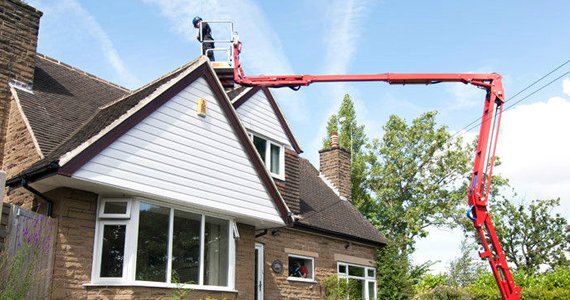


Chichester's status as England's only walled Roman city combined with its cathedral-city significance creates assessment requirements where medieval grid-pattern conservation districts, Georgian townhouses, and Victorian civic buildings dominate. Properties within historic walls, conservation-area concentrations, and cathedral-precinct settings require specialist assessment understanding both Roman-era urban development and subsequent architectural layers spanning two millennia.
We've assessed hundreds of Chichester historic-city properties with specialist understanding of Roman-grid-pattern conservation priorities, multi-era architectural significance, and cathedral-city preservation complexity. This expertise means our roof survey accounts for Chichester-specific factors—conservation-area density, cathedral-city significance, and Roman-heritage preservation—that standard surveys fail to address.
Chichester's character comes from distinctive Roman-city heritage where conservation-area density, cathedral significance, and multi-era architectural layers create assessment requirements unique to historic-city preservation balancing medieval character with practical modern living.
Walled-city expertise: Properties within historic walls require assessment understanding Roman-grid-pattern conservation priorities, narrow medieval streets creating unique weather exposure, and density effects on maintenance.
Cathedral-precinct sensitivity: Properties near the cathedral demand assessment respecting ecclesiastical significance alongside secular preservation requirements creating complex approval landscapes.
Walled-city townhouses: Historic grid-pattern properties
Cathedral-precinct buildings: Ecclesiastical-area heritage
Georgian civic properties: Formal townscape architecture
Victorian merchants' houses: Commercial-residential heritage
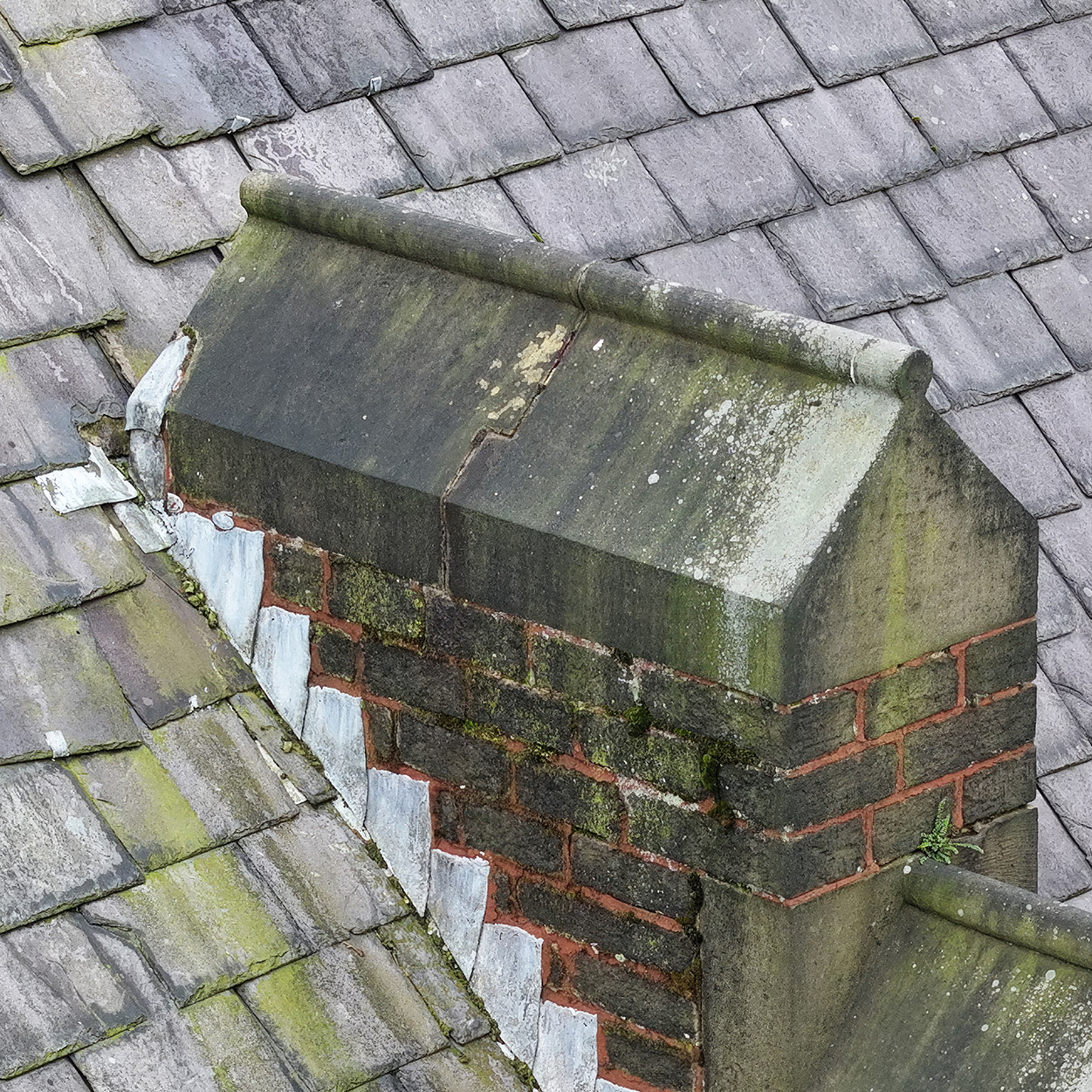
A Georgian townhouse within the cathedral precinct showed roof aging requiring decisions about repair versus renewal. Owner received generic recommendation for modern roof replacement. Challenge: cathedral-precinct location creates conservation complexity where ecclesiastical authorities, local conservation officers, and heritage specialists all influence appropriate decisions.
Standard assessment: Identifies roof age, suggests modern replacement. Misses cathedral-precinct sensitivity, ecclesiastical-authority consultation requirements, and heritage-preservation complexity unique to cathedral-city locations.
Cathedral-city specialist assessment: Understands cathedral-precinct significance, clarifies ecclesiastical-authority involvement, identifies conservation-authority approval processes specific to cathedral districts. Recommends heritage-sensitive approaches respecting cathedral significance while addressing practical roof needs. Assessment enables informed decisions respecting Chichester's unique ecclesiastical heritage.
Yes. Chichester's walled-city status creates conservation-area density where Roman-grid-pattern preservation, visual harmony, and historic-character maintenance are conservation priorities. Our assessment clarifies your property's specific conservation obligations.
Cathedral-precinct properties may require ecclesiastical-authority consultation alongside conservation-authority approval. Our assessment clarifies exact approval processes preventing complications from ecclesiastical-heritage sensitivity.
Historic walls, narrow medieval streets, and dense building patterns create unique weather exposure different from suburban locations. Chimney stacks, party walls, and confined spaces affect maintenance. Our assessment evaluates walled-city-specific condition factors.
This depends on conservation-area status and cathedral-district proximity. Our assessment clarifies what modernization is permitted versus what heritage-preservation approaches conservation authorities require.
Cathedral cities create layered heritage significance where ecclesiastical, architectural, and urban-pattern preservation all interact. Assessment must balance all perspectives simultaneously, requiring specialist cathedral-city expertise.
We cover all Chichester areas in the PO19 postcode including walled-city centre, cathedral precinct, and surrounding historic neighborhoods. Coverage extends throughout West Sussex. Call for specific location coverage and cathedral-city specialist availability.
Walled City Centre: Historic Roman-grid properties
Cathedral Precinct: Ecclesiastical-area buildings
Conservation Districts: Historic townhouses and merchants' properties
Georgian Quarter: Formal historic architecture
Postcode Coverage: PO19 (Chichester), PO18, PO20
Petworth • Midhurst • Selsey • Littlehampton • Bognor Regis
Roof surveys for Chichester walled-city properties require specialist expertise understanding Roman-city heritage, cathedral significance, and conservation-area complexity. We assess thoroughly, identify heritage requirements, and recommend preservation approaches respecting historic-city character.
For walled-city and cathedral-precinct properties, professional specialist assessment enables confident ownership decisions respecting Chichester's unique heritage significance. Understanding conservation requirements and appropriate preservation approaches guides responsible property stewardship. Exact quotes when you call—no surprises.
What matters: Professional assessment understanding Chichester's Roman-city and cathedral-city heritage.
Don't navigate walled-city and cathedral-precinct heritage complexity alone. With professional historic-city assessment understanding Chichester's unique Roman and ecclesiastical character, we make roof inspections straightforward.
Call us now on 07833 053 749 for immediate assistance or to book your historic-city roof survey. We cover all Chichester areas and are cathedral-city specialists.
