
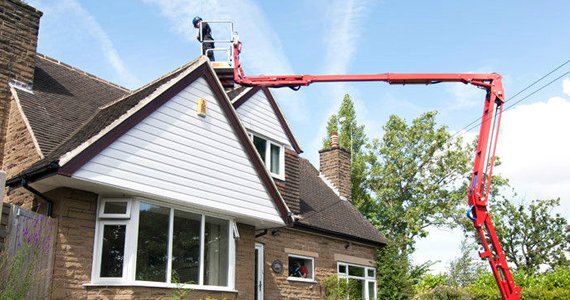
Parsons Green is one of Fulham's most coveted residential pockets, centred around the historic village green that gives the area its character. Victorian terraces and larger period houses built between 1880 and 1920 line the tree-shaded streets radiating from the green — Ackmar Road, Lettice Street, Ellerby Street, and the roads surrounding the green itself. These properties feature original Welsh slate roofs, extensive lead flashings, ornate brick chimney stacks, and decorative ridge tiles. Now 105-145 years old, these roofing systems are entering critical maintenance phases where a professional roof survey Parsons Green inspection can identify deterioration before it becomes catastrophic damage to interiors worth protecting.
Parsons Green's leafy character — the mature London plane trees lining almost every street — creates specific environmental challenges for roofing systems. Tree canopy shades roof surfaces for much of the year, retaining moisture that promotes moss colonisation and accelerates slate delamination on north-facing pitches. Autumn leaf fall blocks gutters and valley channels, causing water overflow that damages fascias, soffits, and eventually penetrates to interior spaces. Root systems from these substantial trees interact with London clay subsoil to create localised subsidence, shifting chimney stacks and opening gaps at flashings. A specialist roof survey Parsons Green assessment understands these tree-canopy effects and identifies the hidden deterioration they cause.
A standard survey notes "roof in fair condition for age." For a Parsons Green Victorian terrace worth £1.5-3M+, that's dangerously vague. What you need from a roof survey Parsons Green specialist: Is the slate delaminating beneath that moss layer? Are lead flashings corroding or just patinated? Has tree-root subsidence shifted the chimney? Are blocked valley gutters causing hidden damage?
Our Parsons Green roof surveys answer these specific questions. We assess period construction, tree-canopy impact, conservation status, and hidden risks — providing the intelligence premium property owners need. Parsons Green shares its Victorian heritage with nearby Fulham and Hammersmith, though Parsons Green's particularly dense tree canopy and conservation area status create distinct challenges.
For Parsons Green homeowners: Your period property is a significant asset in one of London's most desirable village settings. Understanding your roof's actual condition protects that investment — preventing the surprise emergencies that turn manageable maintenance into crisis spending.
For landlords: Parsons Green's premium rental market commands top rents. Professional roof survey documentation satisfies insurance, protects tenant relationships, and supports strategic maintenance planning for high-value properties.
Nearby Areas with Similar Properties: Victorian period properties requiring specialist assessment also characterise the wider Fulham area and nearby Chelsea, where similar property types face comparable roofing challenges. Each area has distinct local characteristics affecting roof condition and maintenance requirements.
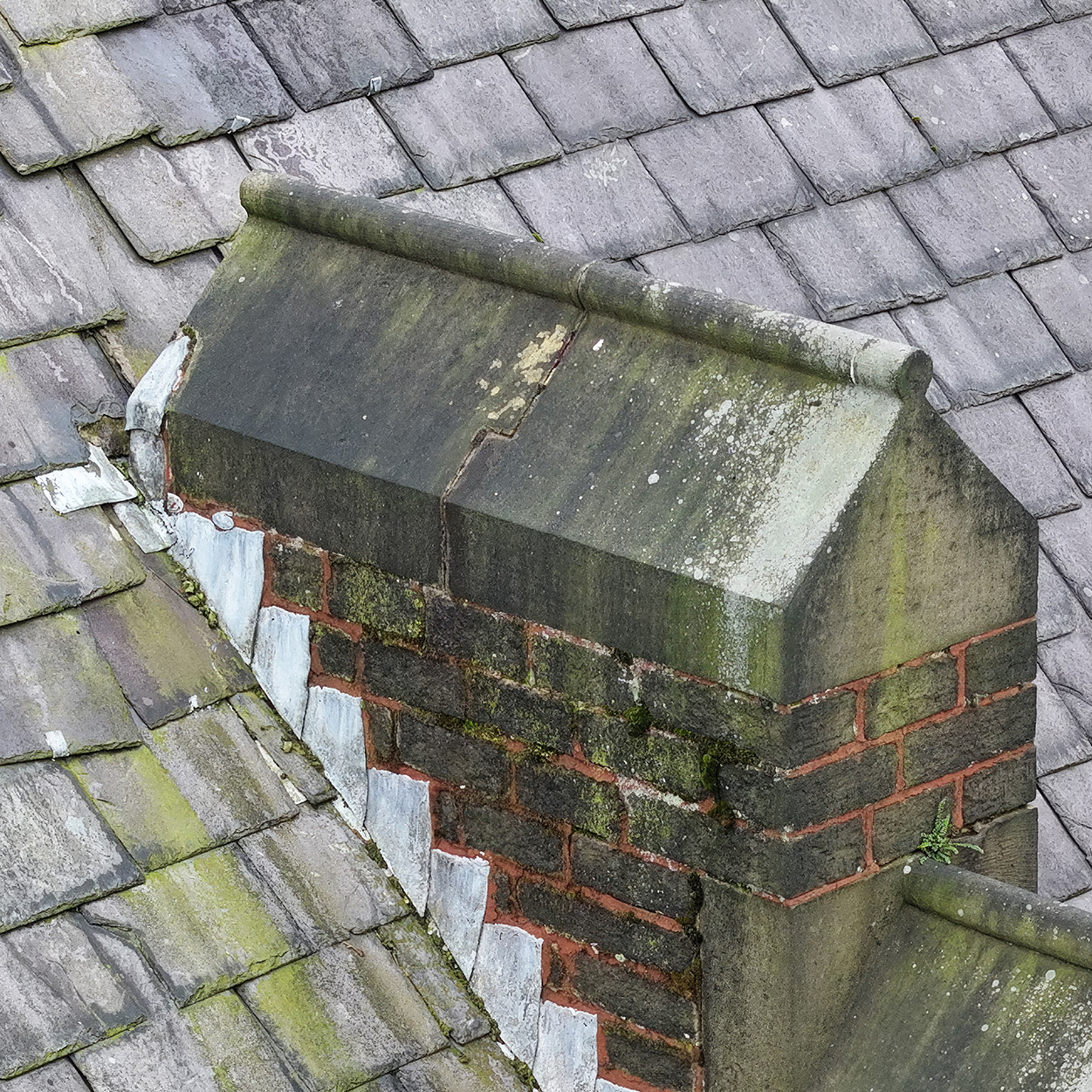
A couple purchased a three-storey Victorian terrace on a tree-lined street near Parsons Green for £2.1M. Mature London planes shaded the property on both sides. The purchase survey described the roof as "showing expected wear for age, no urgent action." No specialist roof survey Parsons Green inspection was commissioned.
Year 1: Minor damp staining appears in the top-floor bedroom during prolonged autumn rain. They repaint and assume it was a one-off heavy downpour. No professional assessment sought.
Year 2: Damp returns more extensively. A roofer clears heavy moss from the front pitch and replaces a few cracked slates. Cost: £650. Problem seems resolved through winter. Gutters cleaned of leaf debris. Still no comprehensive roof survey Parsons Green assessment.
Year 3: Water now penetrating in multiple locations — front pitch, around chimney, and at the rear valley. Emergency assessment reveals: sustained moss growth has caused widespread slate delamination across the tree-shaded front pitch. Gutters and the rear valley were again blocked with leaf debris, causing overflow damage to timber fascias now showing rot. Chimney stack has displaced 8mm from tree-root-related clay movement. Comprehensive restoration quote: £24,000-£30,000 including front pitch re-slating with conservation-approved Welsh slate, valley replacement, chimney stabilisation, and timber repairs.
What a Professional Roof Survey Parsons Green Assessment Would Have Shown Before Purchase: "This Victorian terrace is significantly affected by mature tree canopy on both sides. Front pitch shows aggressive moss colonisation with underlying slate delamination from sustained moisture retention — approximately 30% of slates compromised. Valley and gutters contain heavy leaf debris indicating annual blockage pattern. Chimney stack shows early displacement consistent with tree-root clay movement. Recommend: immediate valley/gutter clearing regime, front pitch slate replacement within 18 months using conservation-approved material, chimney monitoring. Budget £16,000-£20,000."
The Pattern: Parsons Green's beautiful tree-lined streets create the very conditions that accelerate roof deterioration. Moss retained by shade destroys slate invisibly. Leaf debris blocks drainage annually. Tree roots disturb clay subsoil. These interconnected problems develop silently beneath an apparently "green but intact" roof surface. Owners discover the damage through water penetration rather than proactive roof survey Parsons Green assessment.
The Lesson: For Parsons Green properties, the tree-canopy environment creates predictable, identifiable roofing challenges. Professional assessment — before purchase or at regular intervals — identifies these problems when remediation is still manageable, before hidden deterioration becomes expensive emergency repair.


Professional roof surveys for Parsons Green's premium period properties demand both certification and specialist local knowledge. We combine RICS-registered surveyor qualifications with years specializing in London's finest Victorian neighbourhoods. This means we understand roofing principles AND how they apply to Parsons Green's specific challenges — tree-canopy environments, conservation area requirements, and premium period construction requiring specialist roof survey Parsons Green expertise.
Roof surveys for Parsons Green properties provide exceptional value relative to the assets they protect. We assess condition thoroughly, identify tree-canopy-related deterioration, and provide documentation suitable for insurance, conservation, and investment purposes.
For properties valued at £1.5-3M+, the cost of a professional roof survey Parsons Green assessment is negligible compared to the potential cost of undetected failure. Hidden moss-related slate destruction, blocked valleys causing timber rot, or subsidence-displaced chimneys can cost tens of thousands in emergency repairs.
We provide exact quotes when you call — pricing varies based on property size and complexity. No surprises. You get the specialist assessment Parsons Green's premium period properties deserve.
Leaks, damp, or deterioration in your Parsons Green property need specialist assessment. We identify whether issues stem from moss-related slate damage, blocked drainage, chimney displacement, lead corrosion, or poor previous repairs — and recommend conservation-appropriate solutions.
Standard surveys are inadequate for Parsons Green's premium period homes. Before committing millions, understand what's happening beneath the moss-covered surface. Our specialist roof survey Parsons Green assessments regularly save buyers tens of thousands through informed negotiation.
Parsons Green's premium rental market demands impeccably maintained properties. Professional documentation satisfies insurance and provides maintenance planning evidence for high-value portfolios.
Much of Parsons Green falls within conservation areas. Our surveys identify what work is needed AND what approvals apply, ensuring repairs use appropriate materials and comply with heritage requirements from the outset.
If your Parsons Green property sits beneath mature trees, professional assessment identifies the specific deterioration tree canopy causes — moss damage, blocked drainage, root-related subsidence — providing the intelligence for targeted maintenance.
Understanding your roof's condition and maintenance timeline lets you plan proactively. Our specialist roof survey Parsons Green assessment provides the clarity for sound decision-making about one of London's most desirable village addresses.
Our Parsons Green surveys assess slate condition (including beneath moss), lead flashings, chimney stacks, valley gutters, gutter blockage, structural integrity, tree-canopy impact, subsidence signs, water management, and estimated remaining lifespan. We examine the complete roofing system in context of Parsons Green's specific environmental conditions.
Exceptionally detailed. Reports include comprehensive photographic documentation, condition ratings, specific problem identification, conservation area implications, tree-impact assessment, maintenance timelines, and prioritised recommendations suitable for insurance and legal review.
We cover all Parsons Green including streets surrounding the Green, Ackmar Road, Lettice Street, Ellerby Street, Peterborough Road, New Kings Road, Hurlingham Road, and all surrounding SW6 postcodes. We also serve nearby Fulham, Hammersmith, Chelsea, and Putney.
Most Parsons Green residential roof surveys take 2-3 hours on-site. We provide a detailed written report within 48 hours, including photographs and specific recommendations for conservation-appropriate maintenance.
Yes. Parsons Green's conservation area status means roof repairs often require specific approvals and period-appropriate materials. Our surveys identify both what work is needed and what constraints apply, giving you the complete picture for planning.
Roof survey cost depends on property size and complexity. We provide exact quotes before booking — call with details about your Parsons Green property for a clear price with no surprises.
Parsons Green retains a village atmosphere that makes it one of Fulham's — and London's — most sought-after residential pockets. The area's Victorian terraces, built predominantly between 1880 and 1910, create the tree-lined streetscape that defines the neighbourhood's character. These properties command premium prices: family houses typically range from £1.5M to £3M+, with larger properties near the Green reaching higher. The quality of original construction — Welsh slate, lead flashings, ornate brickwork — reflects the area's historic appeal. A roof survey Parsons Green specialist assessment is essential for protecting these premium assets.
The area's defining characteristic — its dense canopy of mature London plane trees — creates a beautiful residential environment that simultaneously poses specific challenges for period roofs. Plane trees shed bark, leaves, and seed balls throughout the year, blocking gutters and valleys with debris that causes water overflow. Their shade promotes moss colonisation that retains moisture against slate surfaces, causing invisible deterioration. Root systems penetrate London clay subsoil, creating localised ground movement that affects chimney stacks and party walls. Professional roof survey Parsons Green assessment accounts for these tree-specific environmental factors when evaluating your property's condition.
Conservation area designation across much of Parsons Green protects the area's architectural character but adds complexity to roof maintenance. Replacement materials must match original specifications — Welsh slate, traditional lead, lime mortar. Understanding these requirements before commissioning work prevents costly mistakes and enforcement issues. Parsons Green's premium property market attracts discerning buyers and long-term residents who value both the area's character and its investment potential — all benefit from the detailed intelligence a specialist roof survey Parsons Green inspection provides.
Parsons Green, Ackmar Road, Lettice Street, Ellerby Street, Peterborough Road, New Kings Road, Hurlingham Road, Broomhouse Lane, Novello Street, Perrymead Street
Fulham, Hammersmith, Chelsea, Putney, Battersea
SW6 (Parsons Green/Fulham), SW10 (Chelsea border)
Whether you own a Victorian terrace near the Green, are purchasing one of Parsons Green's premium period properties, or manage rental properties in SW6, professional roof survey Parsons Green assessment is essential. Hidden moss damage, blocked valleys causing timber rot, subsidence-shifted chimneys — these are the consequences of tree-canopy environments that require specialist identification.
A specialist roof survey provides precise answers: what's happening beneath the moss, whether drainage is adequate, how tree-root movement is affecting structure, and what conservation-approved maintenance you need to plan. Not generic observations. Specific, actionable intelligence about YOUR Parsons Green property.
Call 07833 053 749 now for immediate assessment. We typically complete Parsons Green roof surveys within 2-3 hours. Detailed report with conservation guidance provided within 48 hours. Same-day service often available.
