
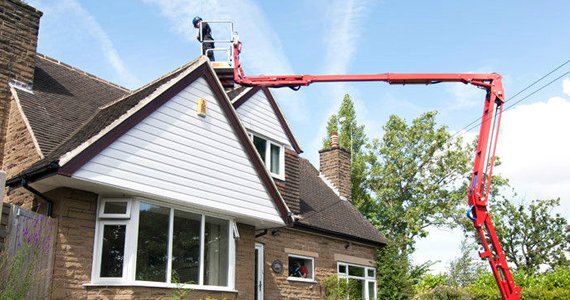
Fulham's residential landscape tells a story of Victorian ambition and modern reinvention. The borough's core housing stock — Victorian terraces built between 1880 and 1910 along streets in Parsons Green, Munster Village, and the Hurlingham area — features original slate roofs with lead flashings, brick chimney stacks, and timber valley structures now 115-145 years old. Many of these properties have undergone loft conversions and extensions, creating junctions between period and modern construction that are particularly vulnerable to failure. A professional roof survey Fulham inspection identifies where these critical points need attention before water finds its way through.
Fulham's position in southwest London creates specific environmental challenges for its roofing stock. The Thames borders the borough to the south, increasing humidity and accelerating lead corrosion on riverside properties. London clay beneath Fulham creates ongoing subsidence risk — ground movement shifts roof structures, opens gaps at flashings, and cracks chimney stacks. Dense terraced housing means roofs in Fulham are interconnected through party walls, and problems on one property can affect neighbours. These location-specific factors make a specialist roof survey Fulham assessment essential for understanding your property's actual condition.
A standard survey says "roof in reasonable condition." For a Fulham Victorian terrace worth £1-3M, that tells you nothing useful. What you actually need from a roof survey Fulham specialist: Is the original Victorian slate sound or delaminating? Has the loft conversion been properly integrated with the original roof structure? Are flashings at the junction of old and new construction watertight? Is that chimney stack showing movement from clay subsidence?
Our Fulham roof surveys answer these precise questions. We assess original Victorian construction, modern additions, conversion quality, and the critical junctions between them. Properties in nearby Chelsea and Hammersmith share similar Victorian heritage and face comparable roofing challenges requiring specialist assessment.
For Fulham homeowners: Your Victorian terrace has been standing for over a century. Understanding whether it has decades more or needs urgent attention prevents the surprise emergencies that turn manageable maintenance into crisis spending.
For landlords: Fulham's strong rental market means properties must be maintained to a high standard. Professional roof survey documentation satisfies insurance, prevents tenant disputes, and lets you plan maintenance strategically across your portfolio.
Nearby Areas with Similar Properties: Victorian terraces and period conversions requiring specialist roof survey assessment also characterise nearby Kensington and Putney, where similar property types face comparable maintenance challenges. Fulham shares Victorian terrace heritage with both areas, though each has distinct local characteristics affecting roof condition.
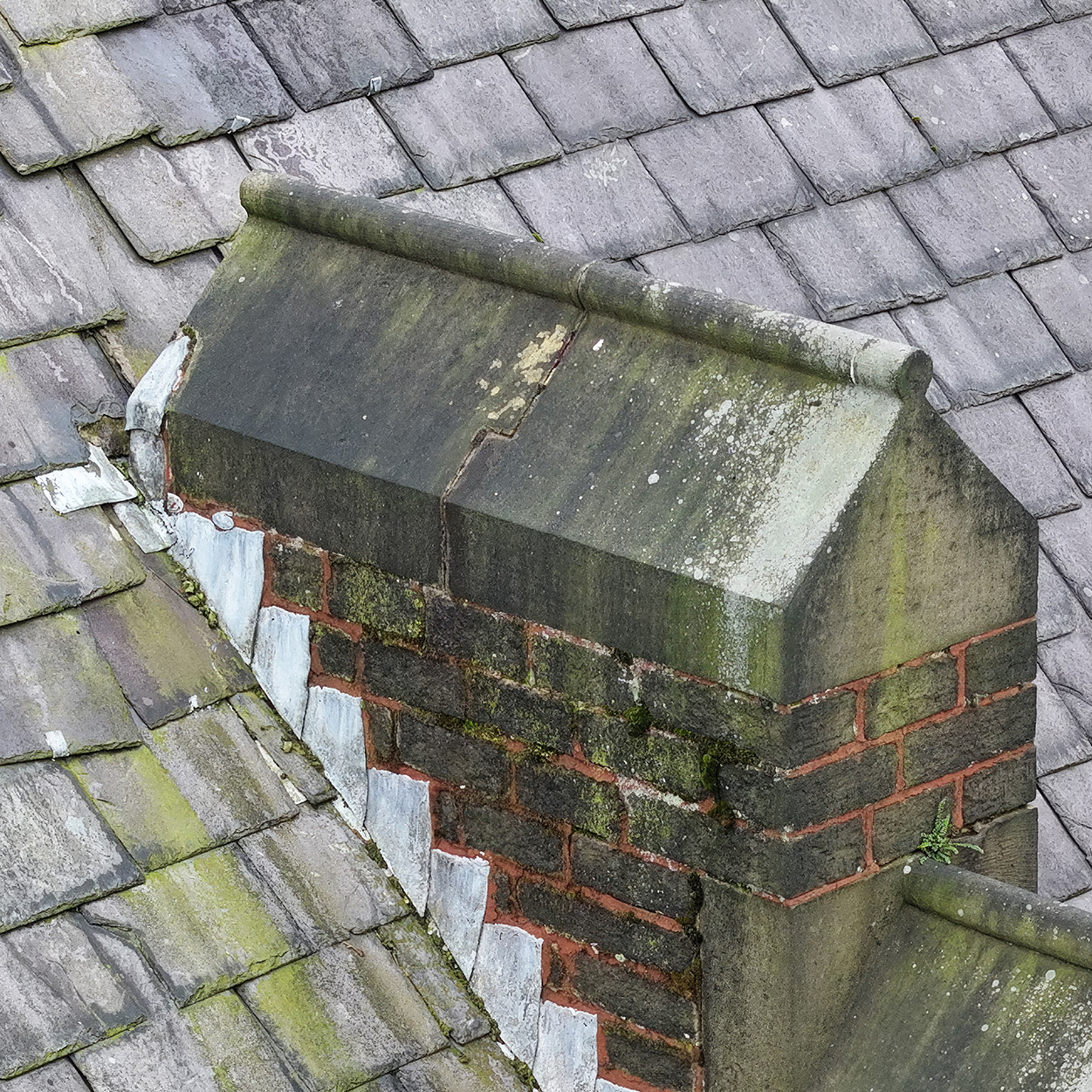
A young family purchased a four-bedroom Victorian terrace in Munster Village for £1.8M. The property had a loft conversion completed five years earlier by the previous owner. The purchase survey noted "roof generally satisfactory." No specialist roof survey Fulham inspection was commissioned.
Year 1: Minor damp patch appears on the second floor during heavy November rain, directly below the loft conversion junction. Assumed to be a one-off event and repainted over. No professional roof survey Fulham assessment sought.
Year 2: Damp returns in the same location, now spreading. A roofer inspects the loft conversion externally, replaces some lead soakers at the junction with the original roof. Cost: £950. Problem appears resolved through winter.
Year 3: Water now coming through in multiple locations — the original junction point plus around the rear chimney stack and at the parapet wall. Emergency investigation reveals: the loft conversion's lead flashing was inadequately dressed into the original Victorian brickwork, creating a gap that worsens with each thermal cycle. The rear chimney stack has cracked mortar from clay subsidence movement. The parapet wall's original mortar has deteriorated. Comprehensive repair quote: £18,000-£24,000 including scaffold access across the terrace.
What a Professional Roof Survey Fulham Assessment Would Have Shown Before Purchase: "This Victorian terrace features a loft conversion with inadequate lead flashing integration at the junction with original roof structure — a common failing in Fulham conversions of this era. Lead soakers are under-dressed by approximately 40mm, creating a progressive failure point. Original rear chimney shows mortar cracking consistent with clay subsidence movement. Parapet mortar failing. Budget £12,000-£16,000 for remediation within 12 months to prevent water ingress to living spaces below."
The Pattern: Fulham's Victorian terraces are simultaneously reaching the age where original materials fail, while many have loft conversions of varying quality that introduce new vulnerabilities. The junction between old and new construction is consistently the weakest point. Owners discover problems through water damage rather than proactive roof survey Fulham assessment, and repair costs escalate significantly when access scaffolding is needed across terraced properties.
The Lesson: For Fulham properties — especially those with conversions or extensions — professional roof survey assessment before purchase or at regular intervals identifies problems when remediation is still straightforward and affordable.


Professional roof surveys demand both certification and local expertise. We combine RICS-registered surveyor qualifications with years specializing in London period properties and Fulham's specific challenges. This means we understand roofing principles AND how they apply to Fulham's diverse property stock — whether original Victorian terraces, converted properties with loft extensions, or modern developments requiring specialist roof survey Fulham assessment.
Roof surveys for Fulham properties cost less than you'd expect for the protection they provide. We assess condition thoroughly, identify problems before they become emergencies, and provide documentation suitable for insurance, legal, and planning purposes.
For properties valued at £800K-£3M+, the cost of a professional roof survey Fulham assessment is minimal compared to the potential cost of undetected failure. Water damage from a failing loft conversion junction or deteriorating chimney flashings can cost tens of thousands to remediate — far exceeding any survey fee.
We provide exact quotes when you call — pricing varies based on property size, complexity, and whether loft conversions or extensions need assessment. No surprises. You get specialist assessment tailored to your Fulham property's specific needs.
Roof leaks, damp patches, or signs of water damage in your Fulham property need specialist assessment. We identify whether issues stem from original Victorian material failure, poor conversion workmanship, chimney stack movement, or parapet deterioration — and recommend the right solution for your specific situation.
Standard purchase surveys rarely examine roofs in sufficient detail for Fulham's period properties. Before committing to a purchase worth over a million pounds, understand what condition the roof is actually in — especially if there's been a loft conversion. Our roof survey Fulham assessments regularly save buyers tens of thousands.
Fulham's competitive rental market demands well-maintained properties. Professional roof survey documentation satisfies insurance requirements, provides evidence for maintenance budgeting, and prevents tenant disputes about property condition.
Before converting your Fulham Victorian terrace's loft, understand the existing roof structure's condition and capacity. Our survey identifies what work is needed to create a sound foundation for conversion — preventing problems that plague poorly assessed conversions throughout Fulham.
Fulham's London clay creates ongoing subsidence risk. Ground movement affects chimney stacks, party walls, and roof structures. If you've noticed cracks or movement, professional roof survey assessment determines whether structural issues are affecting your roof.
Understanding whether your Fulham roof has 15 years of service remaining or needs attention within 2 years lets you plan properly. Our specialist roof survey Fulham assessment provides that clarity with detailed, honest evaluation.
Our Fulham roof surveys assess slate and tile condition, lead flashings, chimney stacks, parapet walls, valley gutters, loft conversion junctions, structural integrity, signs of subsidence movement, water management, and estimated remaining lifespan. We examine the complete roofing system including any modern additions or modifications.
Very detailed. We provide comprehensive photographic documentation, condition ratings for every element, specific problem identification, maintenance timelines with priority ratings, and clear recommendations. Reports are suitable for insurance, legal, and investment purposes — exactly what Fulham property owners need.
We serve all Fulham including Parsons Green, Munster Village, Hurlingham, Sands End, Fulham Broadway, Bishops Park, Imperial Wharf, and all SW6 postcodes. We regularly assess properties throughout Fulham and nearby areas including Chelsea, Kensington, Hammersmith, and Putney.
Most Fulham residential roof surveys take 2-3 hours on-site. Properties with loft conversions or complex rooflines may require additional time. We provide a detailed written report within 48 hours, including photographs and prioritised recommendations.
Yes. We specifically examine how loft conversions integrate with original Victorian roof structures — flashings, junctions, structural modifications, and weatherproofing. This is critical for Fulham properties where conversion quality varies significantly and problems at old/new junctions are extremely common.
Roof survey cost depends on property size, roof complexity, and whether conversions or extensions need assessment. We provide exact quotes before booking — call with details about your Fulham property for a clear price. No surprises, no hidden fees.
Fulham transformed from a working-class Victorian neighbourhood into one of southwest London's most sought-after residential areas. The borough's characteristic Victorian terraces — built primarily between 1880 and 1910 — create the tree-lined streets that define areas like Parsons Green, Munster Village, and the roads surrounding Bishops Park. These period homes, now valued at £800K for smaller flats to £3M+ for family houses, feature original slate roofs, lead flashings, and brick chimney stacks. Many have been extended with loft conversions and rear additions, creating a mix of period and modern construction that requires specialist roof survey Fulham knowledge to assess properly.
Fulham sits on London clay, creating subsidence risk that affects properties throughout the borough. Clay soil swells when wet and shrinks when dry, causing ground movement that cracks chimney stacks, opens gaps at flashings, and stresses roof structures — particularly along party walls between terraced properties. The Thames border adds moisture, accelerating lead corrosion and promoting biological growth on roofs. Mature London plane trees lining Fulham's streets deposit debris, shade north-facing pitches creating persistent damp, and root systems exacerbate clay movement. A thorough roof survey Fulham assessment accounts for all these environmental factors.
The Fulham property market attracts young families upgrading from flats, investors capitalising on strong rental demand, and long-term residents maintaining family homes. All benefit from professional roof survey assessment — buyers need to understand what they're taking on, landlords need documentation for insurance, and homeowners need maintenance planning. Conservation areas in parts of Fulham add another layer of complexity, with restrictions on materials and methods for roof repairs that a specialist roof survey Fulham report can navigate.
Parsons Green, Munster Village, Hurlingham, Sands End, Fulham Broadway, Bishops Park, Imperial Wharf, Walham Green, North End Road, Stevenage Road
Chelsea, Kensington, Hammersmith, Putney, Parsons Green, Battersea
SW6 (Fulham), SW10 (West Chelsea/Fulham border), W14 (West Kensington/Fulham border)
Whether you own a Fulham Victorian terrace, are purchasing one of the borough's period properties, or manage rental properties in SW6, professional roof survey Fulham assessment gives you the clarity you need. Water damage from failing flashings, surprise conversion defects, chimney cracks from subsidence — these are the costs of not knowing your roof's true condition.
A specialist roof survey provides precise answers: what condition your roofing system is in, how the loft conversion integrates with original structure, whether subsidence is affecting your roof, and what maintenance timeline you need to plan. Not generic observations. Specific, actionable intelligence about YOUR Fulham property.
Call 07833 053 749 now for immediate assessment. We typically complete Fulham roof surveys within 2-3 hours. Detailed report with maintenance recommendations provided within 48 hours. Same-day service often available.
