☆☆☆☆☆ Trustpilot | Independent Wandsworth Roof Survey Specialists Call for Roof Survey 07833 053 749 Free Quote
Roof survey Wandsworth London Victorian semi multi-system roof complexity loft conversion junction and bay window lead valley assessment SW18 SW12

Roof Survey Wandsworth London

  • Complete Roof Condition & Structural Assessment
  • Detailed Report in 48 Hours
  • Detailed Photo-Supported Reports from £195
  • Independent Expert Assessment - No Sales Bias

How Your Wandsworth Roof Survey Works

1

Call & Get an Exact Price

Tell us about your Wandsworth property — a Victorian or Edwardian semi near Wandsworth Common where the original Welsh slate, bay window lead valleys, loft conversion junctions, and rear extension flat roof each need assessing as separate systems before exchange at these price levels; a property with recurring chimney ingress that hasn’t responded to cap or mortar repairs and needs London clay movement assessment; a loft conversion dormer where damp has continued despite re-sealing; or a pre-purchase survey where the full multi-system programme cost needs establishing. Price confirmed from £195 by phone immediately.

2

We Survey Your Roof

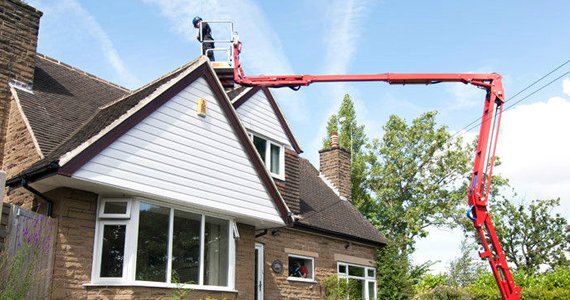
Our specialist assesses each roofing system on the property independently. Original Welsh slate: nail-sickness proportion at close range by slope. Bay window cheek valleys: lead fatigue condition and debris accumulation assessed at roof level. Loft conversion: dormer lead flashing assembly quality and breathable membrane presence assessed — the compliance indicators behind the cladding. Rear extension flat roof: felt or EPDM condition, edge upstand adhesion, drainage falls. Chimney: step flashing abutment assessed against London clay differential movement context. Each system rated and costed independently in the report.

3

Detailed Report in 48 Hours

Full written report with photographs, condition ratings by system, remaining service life estimates for each element, and a prioritised costed action list. Main slate: nail-sickness extent with re-slating timeline. Bay valleys: urgency rating and lead replacement specification. Loft conversion: junction compliance assessment with remediation cost. Flat roof: condition rating and replacement timeline. Chimney: clay movement diagnosis with correct repair specification. Pre-purchase reports with full multi-system programme costs. Report within 48 hours.

Wandsworth borough covers a wide sweep of south-west inner London, from the Thames at Wandsworth Bridge and Battersea in the north through Clapham Junction, Tooting, and Balham to the Wimbledon boundary in the south. The housing stock varies considerably across this geography, from the Victorian terraces of Tooting and Balham to the more substantial Victorian and Edwardian semi-detached and detached properties that command a premium around Wandsworth Common, West Hill, and the upper Southfields streets near Wimbledon Park. It is the larger semi-detached and detached stock of the Common-adjacent streets — three-storey bay-fronted Victorian and Edwardian houses that have been progressively modified over their 120 to 150-year lives — that presents the most complex roofing assessment challenges in the borough.

The defining characteristic of Wandsworth’s better Victorian and Edwardian semis is not any single roofing element but the accumulated complexity of multiple roofing systems on the same property. A typical three-storey Victorian semi in the streets around Wandsworth Common was built in the 1880s to 1900s with a Welsh slate main roof, a bay window at both ground and first floor level each with its own cheek roof and lead valley at the junction with the main slope, and two or more chimney stacks. In the century since construction, the property will typically have acquired a rear kitchen extension with a flat roof (1960s to 1980s, bitumen felt), a loft conversion with one or more dormers (1990s to 2015), and possibly a rear mansard addition on the upper floor. Each addition brought its own roofing materials and its own junctions with the existing structure. The result is a property with three, four, or five distinct roofing systems of different ages, different specifications, and different remaining service lives, all contributing to the overall weather-tightness of the building.

The practical risk of this accumulated complexity is concurrent failure. Each system has been ageing at its own rate since it was installed. The original Welsh slate and its lead bay valleys have been ageing since the 1890s; the rear extension felt flat roof since the 1970s; the loft conversion lead flashings since 2005 or 2010. When a Wandsworth property owner notices water ingress and calls a roofer, the roofer typically addresses the most visible or most obvious source — a slipped slate, a cracked ridge tile, a visible bubble in the flat roof felt — without assessing the other systems comprehensively. In many cases, multiple systems have been developing failures concurrently, and the repair of one source reveals or allows another to become the primary ingress point. The compound repair bill — main slope re-slating, bay valley lead replacement, flat roof membrane replacement, loft conversion dormer flashing remediation — arising from a few years of deferred assessment of a property where each system was approaching or at end of life simultaneously, can reach £25,000 to £40,000 on a substantial Wandsworth Common Victorian semi. The same work, identified and phased over a planned programme of five to seven years, would have cost substantially less and avoided the water damage that accumulated in the interim.

Bay window cheek lead valleys are a specific assessment item on Wandsworth Victorian semis that is consistently overlooked. The bay window cheek roof — the small triangular roof section that caps each projecting bay — creates a valley junction where it meets the main front slope above. On a three-storey semi with two bay windows, there are two such junctions at front, plus equivalent junctions at any rear bay or return elevation. These valleys are the oldest lead elements on the property, having been installed with the house in the 1880s or 1890s. They are not visible from the street because they face upward and are concealed by the bay parapet. They accumulate debris from the main slope above. They have been thermal-cycling through daily and seasonal temperature variations for 120 to 150 years. At this age, lead fatigue cracking at the valley edges and through-thickness pitting under accumulated debris are both common findings — but neither is found unless the inspector specifically goes to look at each bay valley at roof level.

Loft conversion junctions present a second specific assessment category on Wandsworth’s modified Victorian semis. The quality of loft conversion weatherproofing across the borough’s stock varies significantly: conversions completed under proper building control oversight with correctly specified lead soaker-and-cover-flashing assemblies at dormer junctions and breathable membranes behind all external cladding perform well for decades. Conversions completed without adequate supervision, using simplified lead strips relying on sealant adhesion rather than proper mechanical overlap and gravity drainage, fail within three to seven years and require dormer remediation costing £8,000 to £15,000 to correct properly. The building regulations completion certificate for the structural works does not guarantee that the weatherproofing detail was assessed to the level at which compliance or non-compliance is apparent. Assessment requires specific close-range inspection of the lead assembly at each dormer junction and, where accessible, confirmation of breathable membrane presence behind the dormer cladding.

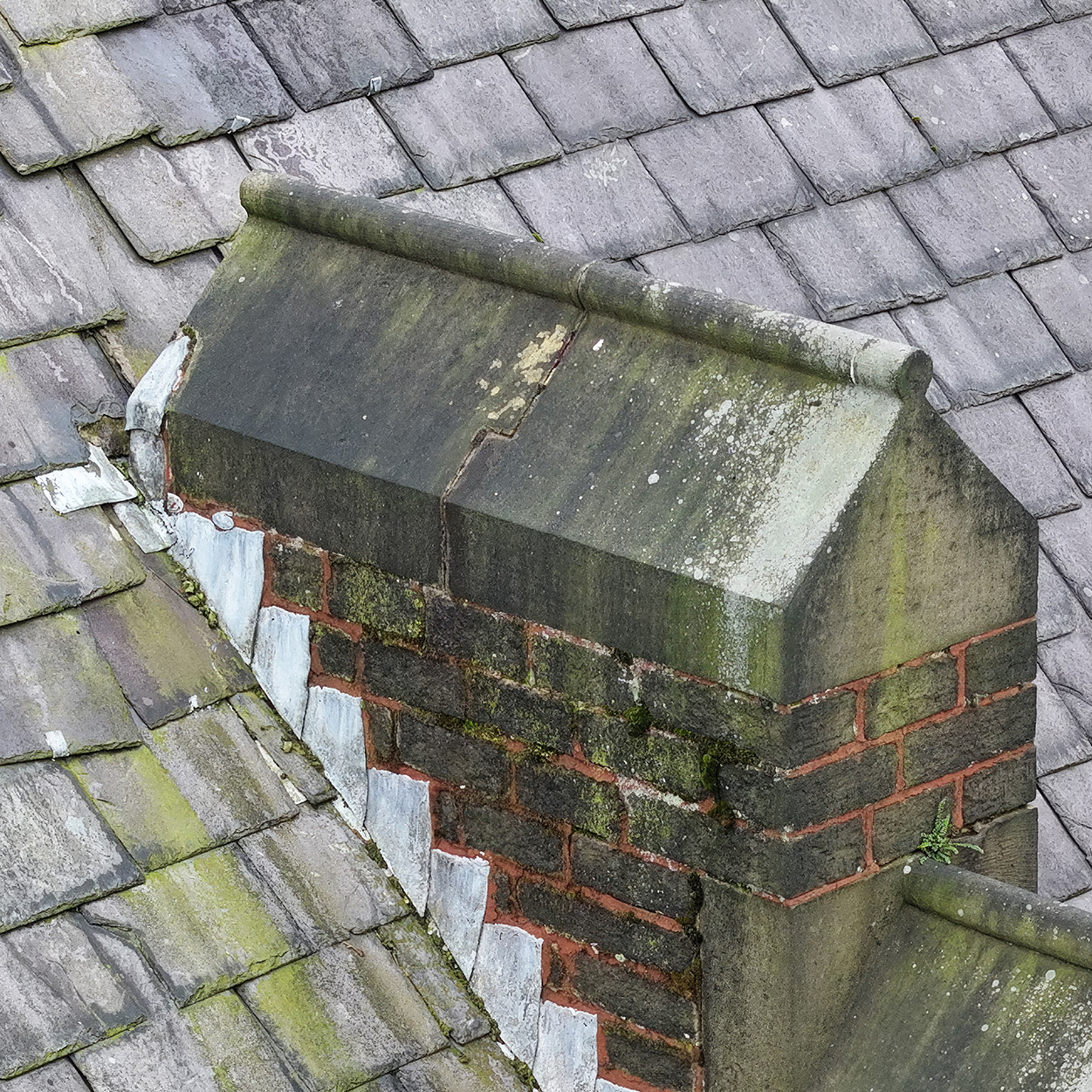
London clay underlies the entire Wandsworth borough. The Thames-side streets near Wandsworth Bridge have additional ambient humidity from the river, with a modest mortar service life reduction relative to the inland Common-adjacent streets — though less pronounced than the Richmond effect. Chimney step flashing abutment opening from clay differential movement is the standard pattern across the borough, with the correct repair being flexible hydraulic lime pointing at the flashing bed rather than OPC, which will crack within one to two seasonal cycles.

Nearby Areas: Victorian terrace surveys across Tooting and Battersea. Putney coverage at Putney. Wider SW coverage including Balham and Raynes Park.

Wandsworth roof survey - Victorian semi multi-system roof complexity bay window lead valley loft conversion junction and rear extension flat roof assessment SW18 SW12 London

Wandsworth Roofing We Assess

  • Multi-system assessment: Original Welsh slate, bay window cheek valleys, loft conversion junctions, and rear extension flat roof each assessed independently — the system-by-system condition picture that no single-element inspection provides
  • Bay window cheek valleys: Lead fatigue cracking and debris-accelerated pitting assessed at roof level — the oldest lead elements on the property, not visible from the street, consistently overlooked
  • Loft conversion junction compliance: Lead flashing assembly quality and breathable membrane presence assessed — the weatherproofing detail that building regs certificates do not verify
  • Rear extension flat roofs: Felt or EPDM condition, edge upstand adhesion, drainage falls — rated independently of the main slope
  • London clay chimney movement: Step flashing abutment assessed against clay differential movement — the structural cause behind recurring ingress despite cap repairs
  • Welsh slate nail-sickness: Close-range proportion assessment by slope on original Victorian main pitches at 120–150 years

Our Wandsworth Coverage Area

Roof survey Wandsworth professional accreditations Wandsworth London roof inspection certifications

The question on a Wandsworth Victorian semi is not “which slope needs attention” — it is “of the three or four roofing systems on this property, which are within their service life, which are approaching end of life, and which have already failed?” That question requires independent assessment of each system separately. A single-element inspection that patches a visible symptom on one system while the others remain unassessed is not a roof survey — it is a repair quote. These are different things, and on a £1.5M to £3M Wandsworth Common Victorian semi, they are £20,000 to £30,000 different.

Four Systems, Four Failures — Wandsworth Common Victorian Semi SW18

Pre-Purchase Scenario — 1892 Three-Storey Victorian Semi, Wandsworth Common SW18

A family purchased a 1892 three-storey Victorian semi-detached house in a residential street adjacent to Wandsworth Common for £1.65M. The property had been in the same family for 25 years; it had a rear kitchen extension with a flat roof added in the 1970s, and a loft conversion with a rear dormer completed in 2009. The homebuyer survey noted “roof generally satisfactory, some minor slippage observed on rear slope, flat roof showing age-related weathering, recommend monitoring.” No specialist roof survey was commissioned before exchange.

Year 1: During winter rain, a damp patch appeared at the top-floor rear bedroom ceiling adjacent to the dormer. Also, the kitchen ceiling in the rear extension developed a damp patch in heavy rain. Attributed to separate minor issues. A roofer attended, re-sealed the dormer lead strip with silicone and patched a bubble in the flat roof felt. Cost: £680. Both patches held through the remainder of winter.

Year 2: The top-floor damp returned in October before any heavy rain — the condensation-pattern onset suggesting breathable membrane absence behind the dormer cladding. The kitchen ceiling damp reappeared in November. A second roofer attended the flat roof, found the Year 1 patch had delaminated, and repatched it with a torch-on felt section. Cost: £490. The dormer damp continued. Water staining also appeared at the first-floor front bay window ceiling — a new location neither roofer had inspected. The owners attributed it to a window seal failure and had the window resealed. Damp continued at the bay ceiling.

Year 3: Water now present at three distinct locations simultaneously: top-floor dormer wall, kitchen ceiling, and first-floor front bay ceiling. A specialist survey was commissioned. Findings across all four roofing systems:

System 1 — Original Welsh slate main pitch: Nail-sickness assessment at close range found 22% of the main rear slope at the insecure fixing stage — manageable with targeted re-slating but overdue for attention. The main front slope was in better condition at approximately 12% affected. Targeted rear slope re-slating within 12 months recommended. Budget: £2,800–£3,600.

System 2 — Bay window cheek lead valleys (front elevation, two valleys): Roof-level inspection of both bay cheek valleys found debris accumulation to 60–80mm depth in the lower valley and 40mm in the upper. After debris clearance, the lower bay valley lead showed through-thickness pitting at two points — pin-holes of 3mm and 5mm diameter at the central accumulation area. This was the source of the first-floor front bay ceiling damp that had been attributed to window seal failure for two years. Lead replacement required for lower bay valley: one metre of formed Code 5 lead valley. Budget: £960–£1,400. Upper bay valley pitting at early stage: monitor, replacement within 3 to 5 years. Budget: £800–£1,200.

System 3 — Loft conversion dormer (2009): Close-range inspection of the dormer cheek junction confirmed a single-strip lead installation relying on silicone sealant adhesion rather than a soaker-and-cover-flashing assembly. Building regulations completion certificate confirmed for the structural works. Breathable membrane: absent behind the dormer cladding (confirmed by probe at accessible corner). Rain ingress at the junction and condensation-pattern damp from absent membrane both present simultaneously. Full dormer remediation required: correct soaker-and-cover-flashing assembly, breathable membrane installation, re-clad, internal redecoration. Budget: £9,500–£13,500.

System 4 — Rear extension flat roof (1970s): Inspection of the full flat roof area confirmed membrane failure across approximately 65% of the surface — surface cracking, oxidation, and delamination of the cap sheet from the base layer. Two patch repairs from Years 1 and 2 had adhered but the surrounding membrane had continued to deteriorate. Full membrane replacement required; partial replacement not viable at this extent of failure. Budget: £3,800–£5,200 depending on specification and whether decking requires replacement beneath the membrane.

Total Programme: Targeted rear slate re-slating: £2,800–£3,600. Lower bay valley lead replacement: £960–£1,400. Upper bay valley (within 5 years): £800–£1,200. Dormer remediation: £9,500–£13,500. Flat roof full replacement: £3,800–£5,200. Total immediate and short-term: £17,060–£23,700. Plus interior ceiling and plaster reinstatement at three damage locations: £3,500–£5,500.

What a Specialist Pre-Purchase Survey Would Have Found: “Four roofing systems assessed independently. Original slate: rear slope nail-sickness at approximately 20% — targeted re-slating within 12 months. Bay cheek valleys: debris clearance required before lead can be assessed — lower valley debris accumulation and pitting risk. Loft conversion (2009): dormer junction uses lead strip with sealant, not soaker-and-cover-flashing — weatherproofing compliance uncertain, monitor or probe for breathable membrane. Flat roof extension: membrane at approximately 45–50 years — replacement within 2 to 3 years. Recommend full programme costs established before exchange at £1.65M.”

Survey cost: from £195. Three years of individual-system patch repairs totalling £1,170 addressed no system correctly. The bay valley through-failure was attributed to window seals for two years. The dormer breathable membrane absence was not identified until the specialist survey. The flat roof had been patched twice without the underlying systemic failure being established. Pre-purchase assessment would have found all four systems' conditions and established the full programme cost before exchange on a £1.65M purchase.

Wandsworth Homeowner & Buyer Experiences

"Buying a Victorian semi near Wandsworth Common — your survey found four separate roofing systems in four different condition states: the main slate manageable, both bay valleys with debris concealing early pitting, the 2008 loft conversion with non-compliant lead strip junction, the 1970s flat roof at end of life. The homebuyer survey said 'some minor slippage, monitor.' Negotiated £19,000 off and had each system's programme cost confirmed before exchange on a £1.8M purchase. Genuinely could not have bought this property correctly without that assessment."
Robert & Emma H — Wandsworth Common Buyers SW18
"First-floor front bay ceiling damp attributed to window seal failure for two years — sealed three times, damp continued. Your survey found the lower bay cheek valley had pin-holes through the lead under compacted debris. The windows were fine. Bay valley lead replaced; no recurrence. Two years of wrong diagnosis because nobody had looked at the bay valley at roof level — it's invisible from the street and not part of any standard inspection."
Catherine L — Wandsworth Victorian Semi Owner SW18
"Chimney ingress not resolved by two cap replacements in four years. Your survey found London clay step flashing abutment movement — the cap was fine, the abutment lead was being pulled open by seasonal clay movement each summer-to-winter cycle. Flexible NHL 2 lime repair done once. No recurrence. All that cap replacement cost was addressing the wrong element because the clay movement context had never been established."
Michael & Jane P — Wandsworth Common Edwardian Semi SW18

Roof Survey Pricing — Wandsworth Specialists

Professional Assessment from £195

Roof surveys for Wandsworth properties start from £195. Whether a Victorian or Edwardian semi near Wandsworth Common where the main slate, bay cheek valleys, loft conversion junctions, and rear extension flat roof each need assessing as independent systems before exchange at £1.5M to £3M+; a property with front bay ceiling damp that window seal repairs haven’t resolved and the bay cheek valley has never been inspected at roof level; a loft conversion where dormer damp has continued after silicone re-sealing and the junction assembly compliance and breathable membrane presence need assessing; a flat roof extension where patch repairs keep failing because the systemic membrane failure has never been established; or a chimney with recurrent ingress despite cap replacement where London clay abutment movement needs diagnosing — call 07833 053 749 for an exact price confirmed immediately. Report within 48 hours.

On a Wandsworth Common Victorian semi at £1.5M to £3M+, identifying that four roofing systems each have programme costs from £1,000 to £13,500 before exchange — rather than discovering them sequentially through water damage and misdirected repair attempts after purchase — is what a specialist assessment provides. No repairs sold — honest assessment only.

When You Need a Roof Survey in Wandsworth

Buying a Victorian Semi Near Wandsworth Common?

The pre-purchase questions for a Wandsworth Common Victorian semi are property-type specific: how many distinct roofing systems are on this property; what is the condition of each independently; what are the programme costs for each over a five to seven-year horizon; and are any of the loft conversion junctions non-compliant and heading for dormer remediation within a few years? These questions cannot be answered by a homebuyer survey. Specialist pre-purchase assessment of all roofing systems on a Wandsworth Common property at £1.5M to £3M+ is the financial planning information that the purchase decision requires.

Front Bay Ceiling Damp Not Resolved by Window Repairs?

If first-floor front bay ceiling damp has continued after window seal replacement on a Wandsworth Victorian semi, the bay window cheek lead valley is the most probable unassessed source. The valley is invisible from the street, is not inspected by roofers called for other work unless specifically requested, and accumulates debris that conceals the lead condition beneath it. Our surveys assess all bay cheek valleys at roof level as a specific inspection item, clearing debris and assessing the lead condition independently of the main slope assessment above.

Loft Conversion Dormer Damp Not Resolved by Re-Sealing?

As with Tower Hamlets, Wandsworth’s loft conversion stock varies widely in the quality of its weatherproofing detail. Silicone sealant re-application at a non-compliant lead strip junction will fail within another three to five years; the correct repair is a full soaker-and-cover-flashing assembly replacement. Breathable membrane absence produces condensation-pattern damp that persists regardless of rain ingress repairs. Our surveys identify which condition or combination is present and specify the correct remediation.

Rear Extension Flat Roof Patch Repairs Recurring?

If patch repairs on a rear extension flat roof are recurring within 12 to 18 months, the systemic membrane failure has not been assessed. A felt membrane that has failed across 50% or more of its area, with surface cracking, oxidation, and cap sheet delamination throughout, cannot be maintained through patching — the adjacent unpatched areas fail as the next winter produces further thermal cycling and freeze-thaw on the already-degraded surface. Establishing whether the membrane is at the patch-viable or replace-essential stage requires assessment of the full roof area, not just the most recently visible failure point.

Balham, Southfields, or Clapham Junction Properties?

The borough’s Victorian terrace stock in Balham and Earlsfield, and the inter-war semis of Southfields and Summerstown, present assessment requirements that differ from the complex multi-system semis of the Wandsworth Common streets. Balham Victorian terraces share the Tooting nail-sickness and rear flat roof characteristics; Southfields inter-war semis share the hip mortar concentration issues of Sutton and Raynes Park. Our surveys are calibrated to the specific property type and area rather than applying a standard assessment approach uniformly.

Recurrent Chimney Ingress Despite Cap Replacement?

London clay step flashing abutment movement is the structural cause of chimney ingress that recurs after cap replacement across the Wandsworth borough. Cap replacement addresses the visible symptom — cracked pointing at the cap mortar fillet — while the mechanical opening of the step flashing abutment by seasonal clay movement continues. Our surveys identify clay movement as the cause where it is present and specify flexible hydraulic lime repair that accommodates seasonal movement rather than cracking against it.

Frequently Asked Questions — Roof Survey Wandsworth

How many roofing systems should I expect on a Wandsworth Victorian semi?

A three-storey Victorian or Edwardian semi-detached house in the streets around Wandsworth Common that has been lived in and modified over its 120 to 150-year life will typically have between three and five distinct roofing systems, each with its own age and condition. The standard combination is: (1) the original Welsh slate main pitch, now 120 to 150 years old; (2) bay window cheek lead valleys at the front elevation, of the same age as the main pitch; (3) a rear kitchen extension flat roof, typically added in the 1960s to 1980s and now 40 to 55 years old; (4) a loft conversion with dormer, typically added 1990s to 2015 and now 10 to 30 years old. Some properties will also have a rear mansard or outrigger roof section that represents a fifth system. Each system has a different remaining service life and requires separate assessment. Our reports assess and rate each system independently with programme costs for each, rather than providing a single rating for “the roof” that blurs the condition differences between systems at very different stages of their service lives.

How much does a roof survey cost in Wandsworth?

Roof surveys start from £195. Call 07833 053 749 for an exact price confirmed immediately — no forms, no waiting.

What areas of Wandsworth do you cover?

We cover the full London Borough of Wandsworth including Wandsworth town (SW18), Balham (SW12), Battersea (SW11), Tooting (SW17), Southfields (SW18), Earlsfield (SW18), Streatham (SW16), and the Wimbledon fringe at Summerstown and the SW19 borough boundary.

Can a Victorian semi's bay cheek valleys be repaired while the main slope is still sound?

Yes, and this is the correct approach on a Wandsworth Victorian semi where the main slate remains serviceable but the bay cheek valleys have reached end of lead life. The bay cheek valleys are independent lead elements that can be replaced as a standalone operation without disturbing the surrounding slate. A roofer working specifically at the bay valley can remove the failed valley lead, prepare the substrate, and install new Code 5 or Code 6 lead in the same day on a standard two-bay Victorian semi. The surrounding slate courses are temporarily displaced to accommodate the new soaker arrangement if the junction uses soakers, or lifted at the edges to allow the new valley lead to run beneath them, and then re-set. The main slate slope is not stripped, not disturbed across its full area, and does not need to be included in the scope of the bay valley replacement works. Correct specification of the replacement lead grade — Code 5 for standard valley use, Code 6 where falls are shallow — and the correct overlap dimensions at the upstands are the critical technical elements of the replacement, along with assessment of whether the underlying timber valley boarding requires repair before the new lead is installed.

Are your surveys independent?

Completely. We survey only — no repairs sold, no contractor referrals. For Wandsworth Common Victorian semi purchases at £1.5M to £3M, independent assessment of all roofing systems with no commercial interest in the programme scope is the only reliable basis for a pre-exchange assessment of the full maintenance position.

Understanding the Wandsworth Property Market

Wandsworth is one of the most internally differentiated boroughs in inner south-west London in terms of property value. The range runs from Victorian terraces in Tooting and Balham at £500,000 to £750,000 for three-bedroom houses, through the Battersea and Clapham Junction stock at £600,000 to £1,000,000, to the Victorian and Edwardian semi-detached and detached stock in the streets immediately around Wandsworth Common at £1,400,000 to £3,000,000. The best streets adjacent to the Common — Trinity Road side streets, West Side, Bolingbroke Grove and surrounding roads — carry prices at the top of this range for the largest Victorian and Edwardian semis and detached houses.

At £1.5M to £3M, the programme costs associated with Wandsworth Common Victorian semis — a four-system assessment revealing needs of £17,000 to £23,000 in immediate and short-term works — represent a manageable proportion of property value when identified and costed before exchange. They represent a significant unplanned expenditure when they emerge sequentially through water damage after purchase, compounded by the interior repair and decoration costs that water ingress from three or four simultaneous sources produces in a property of this size.

The London Borough of Wandsworth is the planning authority. The Wandsworth Common West Side conservation area and other designated areas within the borough apply standard conservation guidelines to external works on designated properties.

Wandsworth Property Facts

  • Wandsworth Common semis: £1.4M–£3M+
  • Battersea/Clapham Junction: £600K–£1M
  • Tooting/Balham terraces: £500K–£750K
  • SW11, SW12, SW15, SW17, SW18, SW19 postcodes
  • London Borough of Wandsworth
  • Wandsworth Common West Side conservation area
  • London clay throughout
  • Thames-proximity SW18 humidity (lower streets)

Service Areas — Wandsworth & SW Postcodes London

Wandsworth SW Postcode Coverage:

Wandsworth town and Wandsworth Common (SW18), Balham (SW12), Battersea (SW11), Tooting (SW17), Southfields and Earlsfield (SW18), Putney (SW15), and all residential streets throughout the London Borough of Wandsworth

Surrounding Areas:

TootingBatterseaPutneyBalhamRaynes Park

Postcode Coverage:

SW11 (Battersea, Clapham Junction), SW12 (Balham), SW15 (Putney), SW17 (Tooting), SW18 (Wandsworth, Southfields, Earlsfield), SW19 (Wimbledon fringe, Summerstown), and adjacent SW and CR postcode areas at borough boundaries

Why Wandsworth Property Owners Choose Us

  • Multi-System Independent Assessment: Each roofing system rated and costed independently — the system-by-system condition picture that single-element inspections never provide
  • Bay Window Cheek Valley Specialist: Roof-level inspection with debris clearance — the oldest lead on the property, invisible from the street, consistently overlooked
  • Loft Conversion Compliance: Lead assembly quality and breathable membrane presence assessed — the weatherproofing detail building regs certificates do not verify
  • Flat Roof Systemic Assessment: Patch-viable vs replace-essential determination across the full membrane area — ending the recurring patch cycle
  • Clay Chimney Movement Diagnosis: Step flashing abutment assessed against London clay context — correct flexible-lime specification, not another cap replacement
  • Independent Only: No repairs sold — honest assessment every time

Understand Your Wandsworth Roof Today

Whether you’re buying a Victorian or Edwardian semi near Wandsworth Common and need all roofing systems — original slate, bay cheek valleys, loft conversion junctions, and rear extension flat roof — assessed independently with programme costs before exchange at £1.5M to £3M+; dealing with front bay ceiling damp that window repairs haven’t resolved because the bay cheek valley has never been inspected at roof level; managing a loft conversion dormer where damp has continued after re-sealing because the non-compliant junction assembly and absent membrane are the underlying conditions; tackling a flat roof where patches keep recurring because the systemic membrane failure hasn’t been established; or addressing a chimney that keeps ingressing despite cap replacement because London clay abutment movement is the structural cause — specialist assessment gives you the specific facts for each system and its condition.

Call 07833 053 749 now. Price confirmed from £195 by phone immediately. Detailed written report with photographs, each roofing system assessed and rated independently, programme costs for each element, correct repair specifications, and full multi-system programme within 48 hours.

Professional Roof Survey from £195
Wandsworth Specialists • Victorian Semi Multi-System Assessment, Bay Valleys & Loft Conversion Compliance
  • Reviewer Trust Pilot
  • Review 07-03-2026
  • Reviewed Item Roof Survey Wandsworth
  • Author Rating ☆☆☆☆☆
No online forms. No waiting. Exact price in 60 seconds.
Call 07833 053 749 Get a Free Quote
☆☆☆☆☆ Trustpilot | Victorian Semi Multi-System Assessment & Bay Valley Specialists SW18