
Tell us about your property — a Brunswick Town Regency terrace, Victorian grid-street house in Cliftonville, Edwardian villa on Grand Avenue, flat on Adelaide Crescent, or any BN3 address. Fixed price from £195 confirmed by phone immediately. No forms, no waiting.
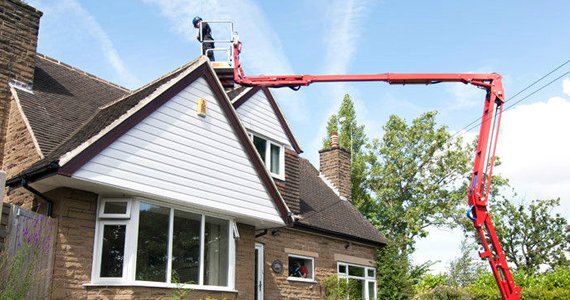
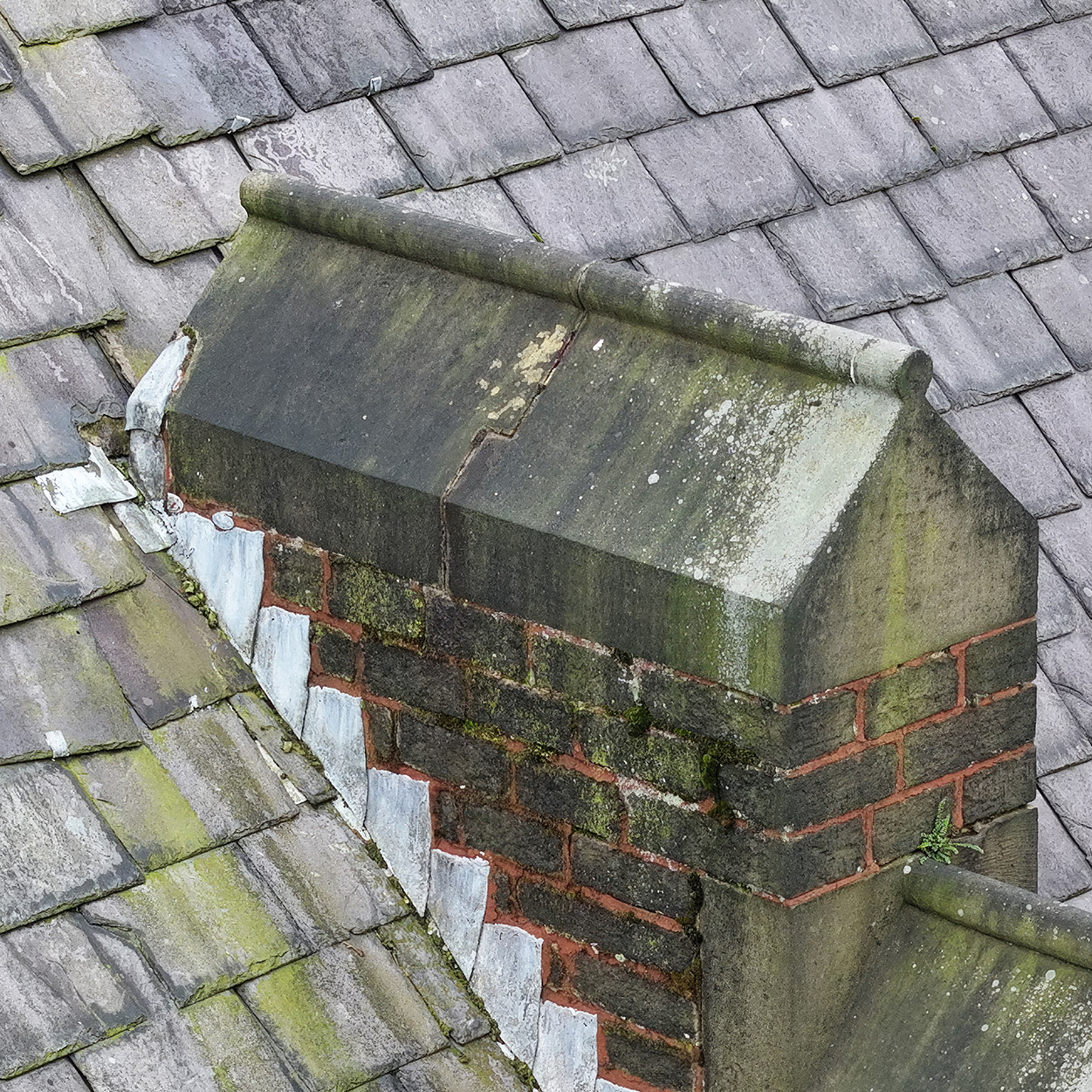
Our specialist inspects every element with Hove’s specific conditions in mind — parapet gutters with lead lining condition throughout, salt spray damage to lead flashings and natural slate on south-facing elevations, chimney stack mortar, flat-roofed bay windows, valley gutters, all ridge details, and structural timber in roof voids where accessible.
Full written report with photographs, condition ratings, remaining lifespan estimates, and a prioritised action list with budget figures. For buyers: costed schedules against current Hove values. For flat owners: party-wall and shared-roof guidance. For landlords: portfolio-ready documentation flagging parapet gutter condition and salt-exposure repair priorities.
Hove is predominantly a city of Victorian and Edwardian buildings planned and built in successive waves from the 1820s to the 1910s. Thomas Cubitt — who also built much of Belgravia — developed Brunswick Town’s Regency stucco squares in the 1820s; the mid-Victorian grid streets of Cliftonville and central Hove followed from the 1850s onwards; the large villa-lined avenues of Grand Avenue, First to Seventh Avenue, and the seafront houses came in the Edwardian period. All of these properties share one critical architectural feature that creates Hove’s most serious and most systematically missed roofing problem: the hidden parapet gutter.
Parapet gutters are lead-lined channels built behind the parapet walls that form the front and rear rooflines of Hove’s Victorian terraces and Regency stucco properties. Invisible from street level and invisible from most roof surveys that do not include physical access, they collect water from the main roof slope and route it to downpipes concealed within the party walls. When the lead lining fails — typically after 60–80 years of service, placing much of Hove’s housing stock well past due — water tracks silently behind the parapet, into the party wall, and down through the building over months or years before internal damp makes the failure visible. Full parapet gutter relining typically costs £3,000–£8,000 per run; the water damage discovered when the failure is eventually traced is often several times that figure.
Hove lies directly on the English Channel, and marine aerosol — salt-laden coastal air — creates a measurable second category of accelerated deterioration specific to BN3. Lead flashings on south-facing and seafront elevations corrode faster than their inland equivalents; natural Welsh slate delaminates at the surface as salt crystallisation works into the cleavage planes over decades. Properties within 300 metres of the seafront show the most pronounced effects, but south-westerly weather carries the effect further inland across most of BN3. Understanding which components are salt-affected and at what stage of their remaining life is essential information for any Hove property purchase or maintenance plan.
For Hove buyers: Both problems — parapet gutter failure and salt-related component deterioration — are invisible in standard homebuyer surveys. A £195 specialist survey before exchange quantifies the actual condition and provides costed remediation figures for negotiation or budgeting.
For Hove flat owners: In converted Victorian terraces, the roof is shared between multiple leaseholders but maintained by the freeholder or management company. Understanding the condition of parapet gutters above your flat, the state of the main roof covering, and the chimney stacks — and getting that assessment in writing — is essential when major works bills arrive.
Nearby Areas: Similar Victorian and Regency stock with comparable parapet gutter issues also characterises nearby Brighton and Worthing, though Hove’s higher proportion of listed and conservation-area buildings adds further complexity to repair specification.
A couple purchased a two-bedroom first-floor flat in a converted Victorian terrace off Church Road, Hove, for £445K. The homebuyer survey noted the roof was “not inspected — access not available” and recommended a further specialist report. None was commissioned. The property had a parapet gutter running the full width of the building above their floor level.
Year 1: Slight damp patch appears on the party wall in the front bedroom. Attributed to condensation. A decorator applies a waterproof paint treatment.
Year 2: The damp patch returns and spreads. A damp specialist is called who identifies rising damp and treats the party wall internally. Cost: £1,800. The damp returns within six months.
Year 3: A surveyor is finally commissioned to investigate from above. The parapet gutter lead lining has failed across a 4-metre section. Water has been tracking down the inside of the party wall and into the floor joists. Remediation required: full parapet gutter relining (£4,200), internal plaster strip and dry-out on two walls (£2,800), replacement of two rotted floor joists discovered during strip-out (£1,600), decorator redecoration (£900). Total: £9,500. Plus the £1,800 on ineffective damp treatment that never addressed the actual source.
What a £195 Specialist Survey Would Have Shown: “Parapet gutter lead lining has failed over approximately 4 metres above the front elevation. Lead aged and split at drip edge detail. Water ingress likely tracking to party wall. Recommend immediate relining before purchase — budget £3,500–£4,500. Use as negotiation point or require vendor to reline before exchange.”
The Lesson: In Hove’s converted Victorian terraces, parapet gutters are the single most important thing to inspect before purchase. They cannot be seen from the street, they are often absent from homebuyer surveys, and when they fail the cost escalates rapidly as water damage accumulates. A £195 specialist survey with physical access pays for itself at exchange.


Surveying Hove properties requires understanding the specific construction methods used in Brunswick Town’s Regency terraces, the Victorian grid streets of Cliftonville, and the large Edwardian villas of the Avenues — and in particular, the hidden parapet gutter systems that are Hove’s most consequential roofing risk. We combine RICS-registered surveyor qualifications with hands-on knowledge of these buildings and their characteristic failure modes. This means your report tells you what actually needs attention — not a generic checklist.
For Hove properties valued at £400K–£1M+, a specialist roof survey from £195 is the single most cost-effective pre-purchase or maintenance investment you can make. Parapet gutter failure, salt-damaged lead, and deteriorating slate are invisible from the street and absent from standard homebuyer surveys — but each carries a four-figure remediation cost that becomes five figures when water damage is added. We assess every element, access every part of the roof including parapet gutters, and give you prioritised findings with costs. Survey from £195. Exact quote by phone immediately.
Call 07833 053 749 now. Report within 48 hours. No surprises.
The dominant failure mode across Brunswick Town, Cliftonville, and all of Hove’s Victorian and Regency terraces. Lead-lined parapet gutters have a service life of 60–80 years. Most of Hove’s housing stock is now well beyond that. When they fail, water tracks invisibly into party walls and floor structures. The failure is silent until internal damp makes it undeniable — by which point secondary damage has compounded the repair cost significantly.
Temporary patch repairs to failed parapet gutters are not effective. The entire lead lining must be replaced with correctly dressed code-5 lead, including all drip ends and outlet details. Survey from £195 identifies the condition of every run before works are specified.
Marine aerosol from the English Channel accelerates corrosion and surface breakdown on all south-facing roof components. Lead ridge flashings, hip flashings, valley flashings, and soakers on seafront and near-seafront Hove properties typically show measurable surface pitting and early-stage pinhole corrosion 15–20 years before equivalent inland components. Natural Welsh slate on south-facing pitches shows surface delamination as salt crystallisation works into the cleavage planes.
Properties within 300 metres of the seafront are most affected, but south-westerly weather conditions extend salt exposure further inland across BN3. Assessment from £195 quantifies which components are salt-affected and estimates remaining service life for each.
The large Edwardian villas on Grand Avenue, The Avenues, and the seafront approach roads typically have complex roof geometries with multiple valley gutters where two roof pitches meet. These zinc or lead-lined valleys collect the combined run-off from large roof areas and route it to downpipes. When valley linings fail — typically from thermal cycling fatigue — water tracks under the tiles either side of the valley before internal staining becomes visible.
Valley gutter relining costs £800–£2,500 depending on length and access difficulty. Survey from £195 assesses every valley in a single visit with full photographic record of lining condition.
Parapet gutters are lead-lined channels built behind the parapet walls of Victorian and Regency terraces — the raised wall sections that form the visible front and rear rooflines. They are completely invisible from street level and from most standard surveys that assess only what can be seen without physical access. In converted flats, they are often above the top-floor ceiling and below the roof covering — accessible only from the roof itself. Our £195 surveys always include physical access to parapet gutters where present.
Yes. Brunswick Town, Cliftonville, and several other Hove neighbourhoods are designated conservation areas. Repairs or replacements to roofing materials on listed buildings require listed building consent and must use traditional materials — natural slate rather than concrete, code-5 lead rather than alternatives, lime mortar rather than cement. Our surveys note conservation area and listed building status and specify repair approaches that will satisfy planning requirements as well as solve the technical problem.
Most Hove surveys take 2–3 hours. Properties with complex roof geometry — multiple valleys, long parapet gutter runs, additional flat roof sections — may require longer. Detailed written report with photographs delivered within 48 hours.
We cover the full BN3 postcode area including all of central Hove, Brunswick Town, Cliftonville, the Avenues, and seafront properties. Also covering BN41 (Portslade) and BN43 (Shoreham-by-Sea). For Brighton BN1 and BN2 see our Brighton page.
Yes, particularly before purchase in a converted Victorian terrace. The roof is a shared structure — its condition affects your property directly but the cost of repair is shared through the service charge. Understanding the current state of parapet gutters, shared roof covering, and chimney stacks above your flat gives you material information for purchase negotiations and an independent record should major works be proposed by the freeholder or management company.
Hove is part of Brighton & Hove, which gained city status in 2000 — but locals have long maintained the distinction captured in the famous local phrase “Hove, actually.” The city’s Victorian and Regency housing stock consistently commands a premium that has made the area one of the south coast’s most sought-after property markets. Brunswick Square flats regularly exceed £700K; Victorian terrace houses in Cliftonville sell from £600K; Edwardian villas on the avenues reach £1M and beyond. At these values, the £195 cost of a specialist survey before exchange is not a discretionary item — it is basic due diligence on an asset where the parapet gutter alone can represent a £5,000–£10,000 liability invisible to the untrained eye.
Brighton & Hove City Council’s conservation area designations — including Brunswick Town, one of the finest examples of Regency town planning in England — mean that many repairs require careful specification to satisfy both planning requirements and the technical demands of the building. Standard contractors using cement mortar, concrete ridge tiles, or uPVC rather than lead details on listed or conservation-area properties create further problems rather than solving existing ones. Our surveys specify the correct materials and approaches for each property type, saving the cost and disruption of having non-compliant work refused or required to be redone.
Brunswick Town, Brunswick Square, Adelaide Crescent, Palmeira Square, Cliftonville, Grand Avenue and The Avenues, Central Hove, Hove seafront, Church Road area, Hove Station area
Brighton, Worthing, Lewes, Haywards Heath
BN3 (Hove Central, Brunswick Town, Cliftonville), BN41 (Portslade), BN43 (Shoreham-by-Sea border)
Whether you are buying a Brunswick Town flat, own a Victorian terrace in Cliftonville, manage a converted property on the seafront avenues, or need to understand the condition of shared roof elements before a major works charge arrives — a specialist roof survey Hove from £195 is essential. Parapet gutter failure and salt-damaged lead are invisible to standard surveys and expensive when left until water damage makes them undeniable.
Call 07833 053 749 now. Roof survey Hove from £195. Report within 48 hours.
