
Tell us about your property — type, age, size, any concerns. We give you a fixed price on the phone. No vague estimates, no hidden fees. You know exactly what you're paying before you book.
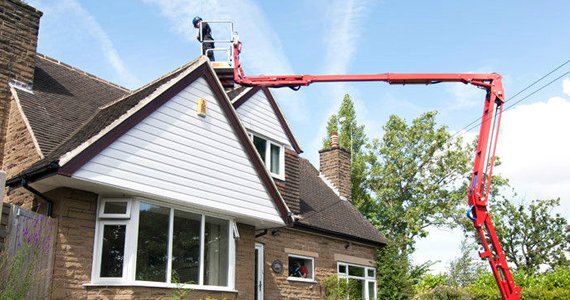
Our specialist surveyor assesses every element of your roof on-site — covering, structure, flashings, ridges, flat sections, gutters. Typically takes 2-3 hours. We photograph everything and explain what we find.
You receive a full written report with photographs, condition ratings, remaining lifespan estimates, and a prioritised action list with budget figures. Clear answers, not surveyor jargon.
Sunbury's roofing challenges come from its building history and its position on the Thames. Lower Sunbury — the village area around Thames Street, Green Street and The Avenue — has a genuine mix: Victorian terraces with original slate, Georgian-era properties in the conservation area, and 1930s semis with handmade clay tiles that line the residential streets between the river and the M3. These roofs are now 80 to 150 years old, and most have never had a proper professional assessment.
The bulk of Sunbury's housing is 1930s through to 1960s semi-detached and detached homes. The 1930s stock along Church Street, Manor Lane and the streets off Green Street carries clay plain tiles — good quality roofs originally, but after 90 years the battens rot, ridge mortar cracks, and the lead flashings around chimney stacks split from decades of thermal movement. The post-war estates up towards Sunbury Common and Sunbury Cross added concrete interlocking tiles — Redland 49s, Marley profiles — designed to last 40-50 years. Many are now well past that.
Then there's the Thames factor. Properties in Lower Sunbury, particularly along Thames Street, French Street and the roads backing onto the river, sit in elevated ambient moisture year-round. That accelerates moss growth on tiles, speeds up mortar deterioration on ridges, and promotes timber decay in roof structures. A roof that might last another 15 years at Sunbury Common could need attention within 5 years closer to the river. Standard surveys don't account for this.
A standard surveyor writes "concrete tile roof in reasonable condition for age" and moves on. That tells you nothing useful. What you need to know: Are those concrete tiles still waterproof or have they gone porous? Is the ridge mortar cracking because it's old sand-and-cement, or has it been re-done badly? Is that flat roof extension on the kitchen still sealed, or is water tracking underneath? These details determine whether you need a £200 repair or a £12,000 re-roof.
Our Sunbury roof survey answers the specific questions that matter. We assess the actual materials on your roof — not just "tiles" but which type, what condition, how they're fixed — and tell you plainly how long you've got before you need to spend money. We know the difference between a concrete tile roof that needs isolated replacements and one that's past saving, because we've assessed hundreds of them across Sunbury and Spelthorne.
For homeowners: You get a clear timeline. Not "plan maintenance soon" but "your ridge mortar will fail within 18 months and your flat roof extension needs re-covering before next winter." That's information you can act on.
For landlords and investors: Professional documentation that satisfies insurance requirements, supports rent reviews, and lets you budget accurately across your Sunbury portfolio. No guesswork.
A young couple bought a three-bedroom 1936 semi off Green Street. Classic Sunbury property — clay tile pitched roof at the front, flat roof over the rear kitchen extension. The homebuyer's survey described the roof as "satisfactory for its age." They moved in confident everything was fine.
Year 1: Small damp patch appears on the kitchen ceiling after heavy autumn rain. A roofer comes out, says it's the flat roof, patches a blister in the felt. Charges £150. Damp disappears. Sorted.
Year 2: Damp returns — worse this time, spreading across the kitchen and into the downstairs toilet. Another roofer visit. He re-seals the flat roof edges and re-points some ridge mortar on the main roof. £280. Says "that should hold it." It doesn't.
Year 3: Water pouring in during a November storm. Emergency tarp on the flat roof. When they get a proper assessment: the flat roof felt has perished underneath — water has been pooling on the decking boards for over a year, rotting the joists. But worse — the lead flashing where the flat roof meets the main pitched roof has completely separated. Water has been tracking behind the brickwork and into the wall cavity. Repair bill: £7,200 for new flat roof, joist replacement, and lead re-dressing. Plus £2,100 to replaster the kitchen and treat the damp in the cavity wall.
What a Professional Roof Survey Would Have Found Before Purchase: "This 1936 property has a clay tile main roof in fair condition with 15-20 years remaining. However, the flat roof over the rear extension shows significant felt deterioration with blistering and ponding. The lead flashing at the junction with the main roof has separated by approximately 8mm. Recommend budget £3,500-£4,500 for flat roof replacement and lead re-dressing within the next 6-12 months to prevent structural water damage."
The Pattern We See Across Sunbury: Green Street, Church Street, Manor Lane, The Avenue — hundreds of 1930s and 1940s semis with rear flat roof extensions hitting the same failure point. The pitched roof gets all the attention while the flat section quietly fails. Owners discover the problem through water damage, not assessment. By the time the damp shows inside, the structural damage behind it has been building for months. Early assessment saves thousands.


Professional roof surveys demand both certification and hands-on material knowledge. We combine RICS-registered surveyor qualifications with years of specialist experience assessing clay tiles, concrete interlocking tiles, flat roof systems, and lead work across Sunbury properties. We know what 90-year-old batten rot looks like underneath sound-looking tiles. We know when cracked ridge mortar means re-bedding and when it means the whole ridge line is going. We know how Thames-proximity moisture affects a roof differently from one half a mile inland. That specificity is what separates a useful roof survey from a clipboard exercise.
A Sunbury roof survey costs a fraction of what you'll spend if problems go undetected. A straightforward 1950s semi with a single pitched roof is at the lower end. A 1930s property with clay tile main roof, flat rear extension, multiple chimney stacks and lead flashings takes longer and costs more. We give you an exact price when you call — no vague estimates.
What you get: a detailed written report with photographs of every issue, condition ratings for each roof element, remaining lifespan estimates, and a prioritised list of what needs doing and when. Not "consider maintenance" — actual timelines and budget figures you can plan around.
The maths is simple. A roof survey costs hundreds. Discovering problems through water damage costs thousands. Sunbury property values — especially in Lower Sunbury near the river — mean your roof is protecting a significant investment. Understanding its condition isn't a luxury — it's basic due diligence.
Water stains on the ceiling, damp patches on walls, drips in the loft — these are symptoms, not diagnoses. The water entry point is often metres away from where the stain appears. Our roof survey traces the actual source — whether it's a failing flat roof junction, cracked ridge mortar, split lead flashings or porous concrete tiles — so the repair fixes the cause, not just the symptom.
Homebuyer's surveys are not roof surveys. They note "tile roof" and move on. Before you commit to a Sunbury property — especially a 1930s semi with a flat rear extension or a post-war house with original concrete tiles — you need to know whether that roof has 15 years left or 15 months. Our survey gives you negotiating power and prevents expensive surprises after completion.
Insurance companies want documented roof condition. Tenants expect a weathertight home. A professional roof survey gives you the paperwork your insurer needs and the maintenance plan that prevents emergency callouts. Essential if you're managing post-war stock around Sunbury Common where concrete tile roofs are aging simultaneously across whole streets.
Before spending on architectural drawings and building regs, understand what's above your head. Sunbury's 1930s and 1950s properties are popular for loft conversions, but if the existing roof needs work, it's far cheaper to address it as part of the conversion than to discover problems once the builders are in. Our survey tells you exactly what condition the structure is in.
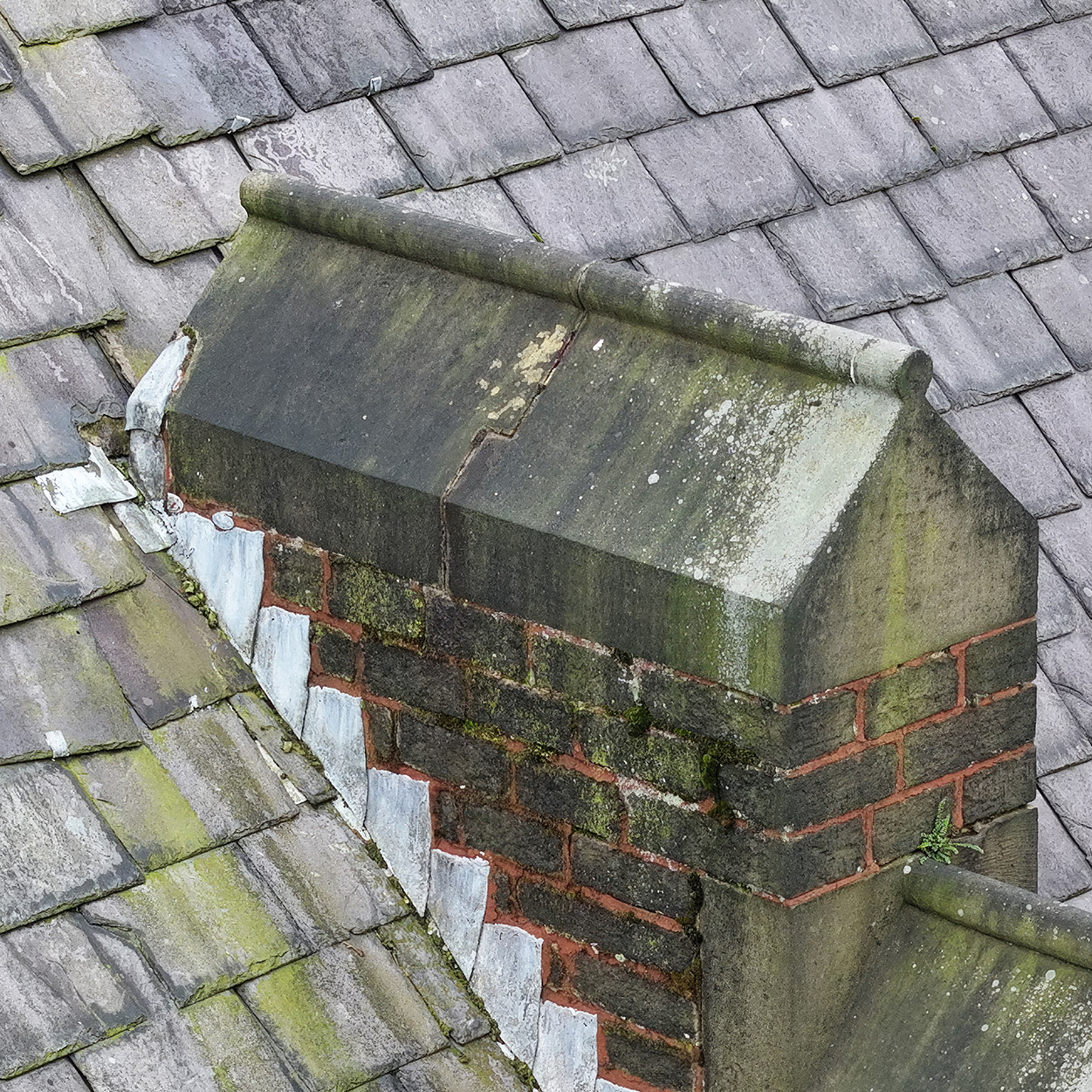
Rear flat roof extensions are everywhere in Sunbury — and they're the most common failure point we find. Original felt perishes, junctions with the main roof separate, and water tracks in silently. Lead flashings around chimney stacks split after 30-40 years of thermal movement. If your extension ceiling shows any signs of damp, or your flashings look rough from ground level, they're worse up close.
How many years has it got? What needs doing first? What can wait? What should you budget? We answer these questions plainly, with photographs and evidence. No scare tactics, no upselling. Just clear, independent assessment of where your roof stands.
Everything that matters. We assess the covering material (clay tile, concrete tile, slate, flat roof), its condition and remaining lifespan, the state of your ridges, hips, lead flashings, flat roof junctions, gutters, fascias, and the timber structure underneath. You get a photographic report showing exactly what we found, what needs attention now, what can wait, and what to budget for.
Very. We photograph every issue, rate each roof element's condition, and give you specific timelines — not vague advice. If your ridge mortar is failing, we'll tell you it needs re-bedding within 12 months and roughly what it should cost. If your tiles are sound, we'll tell you that too. No padding, no jargon.
All of Sunbury-on-Thames — Lower Sunbury, Sunbury Village, Thames Street, Green Street, The Avenue, Church Street, French Street, Manor Lane, Sunbury Common, Sunbury Cross, Charlton, Upper Halliford, and surrounding areas throughout TW16.
Most residential surveys take 2-3 hours on-site. A straightforward post-war semi with a single pitched roof takes less time than a 1930s property with flat roof extension, multiple chimney stacks and lead valleys. We provide a detailed written report within 48 hours, complete with photographs and recommendations.
If you're a landlord, almost certainly. Insurance companies increasingly require documented evidence of roof condition, especially for older Sunbury properties. Our reports are designed to meet insurer requirements — detailed, photographic, and professionally presented. They've never been rejected.
It depends on your property — a 1960s semi is quicker to assess than a 1930s house with flat roof extension and multiple chimney stacks. We give you an exact price when you call based on your property details. No hidden fees, no surprises. The cost is a fraction of what undetected problems end up costing.
Sunbury-on-Thames sits in the borough of Spelthorne, split by the M3 into two distinct characters. Lower Sunbury — the village — has a conservation area along Thames Street with Georgian and Victorian properties, alongside the 1930s semis that make up most of the residential streets. Sunbury Common to the north is more urban, with post-war housing from the 1950s and 1960s, plus newer developments. Both areas share a common challenge: roofs that are reaching or have passed their expected lifespan.
The 1930s housing along Church Street, Manor Lane, Green Street and The Avenue forms Sunbury's largest roofing challenge. Handmade clay plain tiles on softwood battens, sand-and-cement ridge bedding, and lead flashings around chimney stacks — after 90 years, these roofs are entering their critical maintenance window. Owners across Lower Sunbury face similar decisions about ridge re-bedding, flashing replacement, and whether the tiles themselves justify further investment. The proximity to the Thames adds another factor: elevated moisture accelerates every form of deterioration, from moss growth blocking gutters to mortar breaking down faster than it would half a mile inland.
Whether you own a Victorian terrace near the river, a 1930s semi off Green Street, or a post-war house up at Sunbury Cross, understanding your roof's specific condition and timeline is essential. Sunbury property values — particularly in Lower Sunbury — make informed maintenance planning not just sensible, but financially significant. A roof survey gives you the facts to make the right decisions at the right time.
Lower Sunbury (Sunbury Village), Thames Street, Green Street, The Avenue, Church Street, French Street, Manor Lane, Sunbury Common, Sunbury Cross, Charlton, Upper Halliford, Kempton Park area
Shepperton, Walton-on-Thames, Sunbury Common, Sunbury-on-Thames, Littleton
TW16 (Sunbury-on-Thames), TW15 (Ashford, Sunbury area), TW17 (Shepperton)
Your Sunbury roof is protecting the most valuable thing you own. Whether it's a 1930s clay tile roof with crumbling ridge mortar, a post-war concrete tile roof past its design life, or a flat rear extension that's quietly failing — the question isn't whether it needs attention, it's when. A professional roof survey answers that question with evidence, not guesswork.
We've assessed hundreds of roofs across Sunbury — from period properties on Thames Street to semis off Green Street to post-war housing around Sunbury Cross. We know what fails, when it fails, and what it costs to fix. That experience means your survey report gives you genuinely useful information: specific timelines, realistic budgets, and clear priorities.
Call 07833 053 749 now. Tell us about your property and we'll give you an exact price on the phone. Surveys typically completed within 2-3 hours, detailed report with photographs within 48 hours. Same-week booking usually available.
