
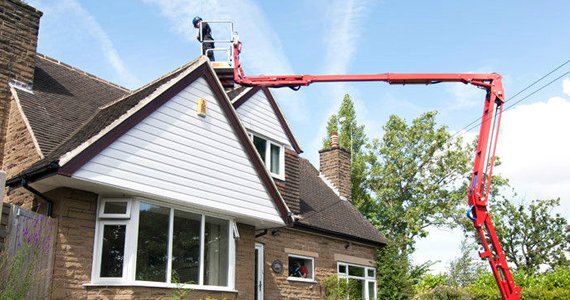
Southwark stretches from the Thames at London Bridge to the leafy avenues of Dulwich — encompassing one of London's most architecturally diverse boroughs. Georgian properties around the Borough and Walworth predate the Victorian era, with concealed butterfly roof systems and lead drainage now over 200 years old. Victorian terraces in Camberwell, Nunhead, and East Dulwich form the borough's residential backbone — streets of slate-roofed houses built in the 1860s-1900s. Bermondsey's remarkable warehouse conversions repurposed Victorian industrial buildings with large flat roofs for residential living. Post-war estates across the borough add flat-roofed blocks and towers. Each property type presents completely different roof assessment challenges.
Southwark's Thames-side location creates specific environmental pressures. Properties near the river experience higher humidity accelerating moss growth and moisture retention. The borough sits primarily on London clay, creating subsidence risks that shift foundations and crack roof structures. Heavy traffic pollution along arterial routes accelerates material deterioration. Bermondsey's converted warehouses face unique challenges — industrial roof systems adapted for residential use were never designed for the waterproofing standards domestic occupation demands.
A standard surveyor applying one approach across Southwark's extraordinary property range produces useless results. A Georgian terrace in Walworth needs concealed gutter inspection. A Victorian house in Camberwell needs slate and flashing assessment. A warehouse conversion in Bermondsey needs flat roof membrane evaluation. A Dulwich villa needs conservation-aware assessment. The property type dictates the survey approach — and Southwark has more property types than almost any other London borough.
Our Southwark roof surveys match expertise to property. We assess Georgian concealed systems, Victorian pitched roofs, warehouse flat roof membranes, and Dulwich conservation properties with the specific knowledge each demands. We know where each type typically fails and what to look for — that's what separates useful assessment from checkbox surveys.
For Southwark homeowners: Your property type determines your roof risks. Understanding those specific risks — not generic "roof aging" observations — lets you plan maintenance that actually addresses your building's needs.
For landlords and investors: Southwark's rapid appreciation means roof condition directly affects portfolio value. Professional documentation protects your position, satisfies insurance, and supports strategic maintenance planning across diverse property types.
Nearby Areas with Similar Properties: Similar diverse period stock appears in nearby areas like Lambeth and Lewisham, where Georgian, Victorian, and post-war properties face comparable roof challenges. Lambeth shares Southwark's Thames-side heritage, while Lewisham has similar Victorian terrace stock in its northern areas. See our area-specific guides for detailed information.
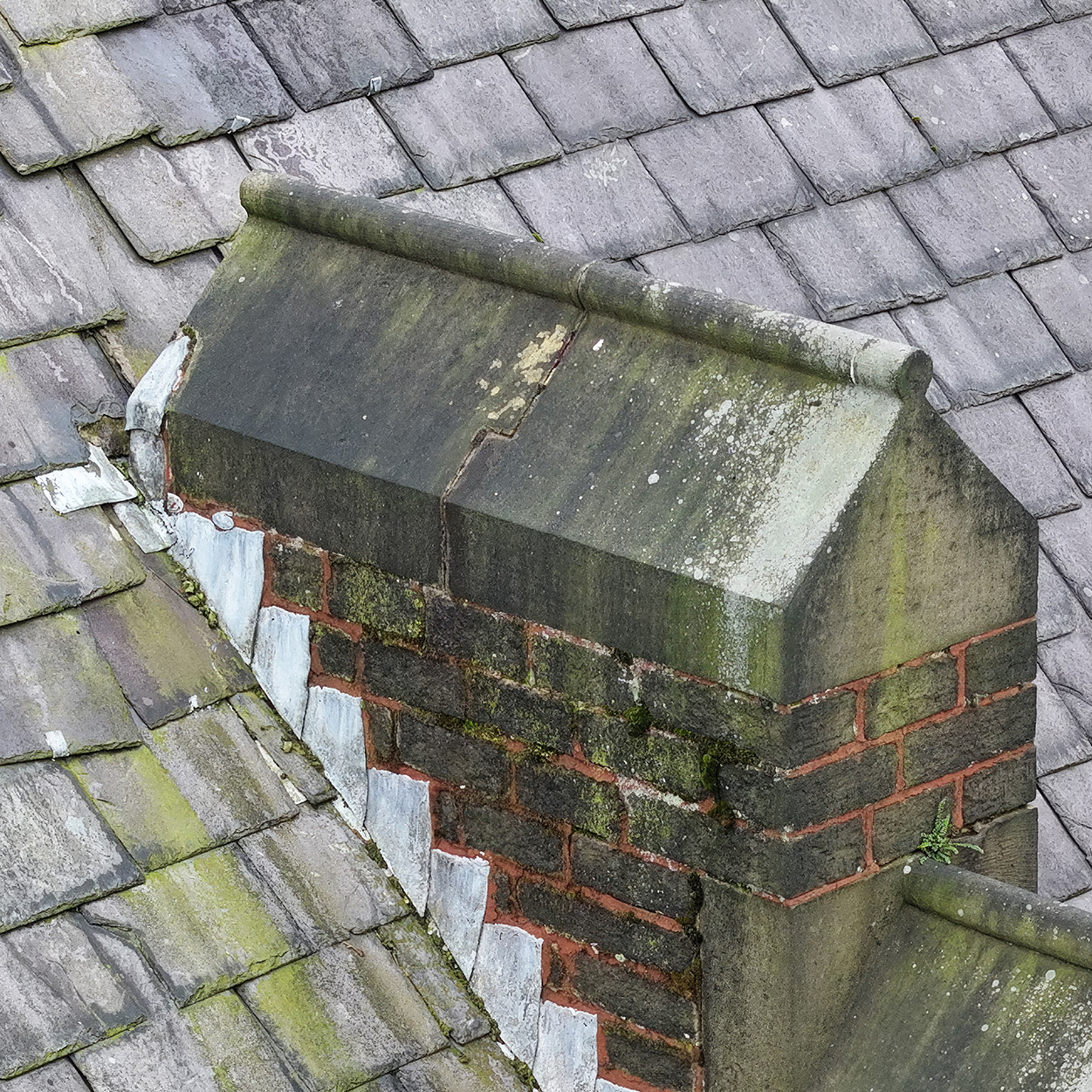
A couple purchased a two-bedroom flat in a converted Victorian warehouse in Bermondsey for £650,000. The building had been converted to twelve residential units in 2003. The purchase survey noted "flat roof in reasonable condition." No specialist roof assessment was commissioned.
Year 1: Minor water staining appeared on the ceiling of a top-floor flat during prolonged autumn rain. The building's managing agent sent a roofer who cleared blocked drainage outlets on the flat roof. Cost: £300 from the service charge. Problem appeared resolved.
Year 2: Staining returned in two top-floor flats, now in different locations. The managing agent had the felt membrane patched in three areas. Cost: £1,800 from service charge. Patches held through summer but failed again during winter rains. Residents began complaining about rising damp and musty smells.
Year 3: Water ingress now affecting four of twelve flats during any significant rainfall. Emergency investigation revealed the conversion had used a single-ply membrane over the original warehouse roof structure without adequate falls — water was ponding across 40% of the roof area. The membrane had degraded under UV exposure and standing water. The original Victorian parapet walls had never been properly capped during conversion, allowing water behind the membrane at every edge. Full roof membrane replacement with proper falls created, parapet wall capping, new drainage system, and interior repairs across four flats: £85,000-£110,000. Split twelve ways — but with bitter disputes about responsibility and a special assessment of £7,000-£9,000 per flat.
What Professional Assessment Would Have Shown Before Purchase: "This warehouse conversion's flat roof shows a single-ply membrane with inadequate drainage falls — ponding visible across multiple areas. Membrane showing UV degradation and early failure. Parapet walls not properly capped — water ingress risk at all roof edges. The conversion roof design has fundamental drainage deficiencies that will require complete remediation within 3-5 years. Estimated cost: £60,000-£75,000 (shared across all units). Factor this into purchase decision."
The Pattern We See: Bermondsey's warehouse conversions from the early 2000s often have flat roof systems that were adequate initially but fail prematurely because the original industrial buildings weren't designed for the waterproofing standards residential living demands. Poor drainage falls, inadequate edge details, and UV-vulnerable membranes create building-wide problems that affect all residents and generate expensive disputes.
The Lesson: For warehouse conversions, specialist roof assessment before purchase is essential due diligence. A £500-£700 survey could have identified the fundamental drainage problem and either prevented the purchase or allowed informed negotiation — saving years of escalating damage and a £9,000 special assessment.


Professional roof surveys demand both certification and versatile expertise. We combine RICS-registered surveyor qualifications with years specializing across Southwark's extraordinary property range — from Georgian terraces in Walworth to warehouse conversions in Bermondsey, Victorian streets in Camberwell to conservation-area villas in Dulwich. This versatility means we assess each property type with the specific knowledge it demands.
Roof surveys for Southwark properties are tailored to the borough's remarkable property diversity. Whether assessing a Georgian concealed gutter system, a Victorian terrace slate roof, a warehouse conversion membrane, or a Dulwich conservation property, each requires specific expertise that justifies specialist assessment.
The cost of professional assessment is minimal compared to the consequences of buying a warehouse conversion with fundamental roof deficiencies or discovering Victorian valley gutter failure through water damage. In Southwark's competitive market, specialist knowledge protects significant investments.
What matters: You get assessment matched to your specific property type from surveyors who understand Southwark's diverse building stock. That specificity — knowing what to look for in each property type — is what delivers genuinely useful results.
Water problems in Southwark properties originate from different sources depending on property type — concealed gutters in Georgian terraces, valley junctions in Victorian houses, membrane failures in warehouse conversions. We identify the actual source specific to your building type.
Southwark's diverse property market requires property-type-specific assessment. Warehouse conversions need flat roof evaluation. Victorian terraces need slate and flashing assessment. Georgian properties need concealed system inspection. Our specialist surveys deliver what standard surveys miss.
Freeholders and managing agents of converted properties need documented roof condition for insurance, service charge planning, and Section 20 consultation. Our independent reports provide the evidence base for fair, defensible decision-making across all unit types.
Bermondsey and Borough warehouse conversions often have flat roof systems with inherent design limitations. Professional assessment identifies whether your roof needs routine maintenance or has fundamental issues requiring major investment — essential knowledge for any conversion owner.
Dulwich Estate and conservation area requirements restrict roof repair materials and methods. Our surveys identify what work is needed and what heritage-appropriate approaches are required — preventing planning complications and ensuring work satisfies Estate guidelines.
Southwark property values have appreciated dramatically. Understanding your roof's actual condition protects an increasingly valuable asset. We provide detailed assessment specific to your property type — not generic observations that apply to nothing in particular.
Our Southwark roof surveys assess condition specific to your property type: slate/tile covering, lead flashings, valley gutters, flat roof membranes, drainage systems, parapet walls, concealed drainage, timber structure, and building-specific failure risks. Complete assessment tailored to your building's age and construction.
Yes — Bermondsey warehouse conversions are a Southwark speciality. We assess flat roof membrane condition, drainage falls, ponding risk, parapet capping, edge details, and whether the conversion roof system is fundamentally adequate for residential waterproofing standards.
We cover all of Southwark including Borough, Bermondsey, Camberwell, Dulwich, Nunhead, Walworth, Peckham, Elephant and Castle, and all SE1, SE5, SE15, SE17, SE21, SE22, and SE24 postcodes. We also serve nearby boroughs including Lambeth, Lewisham, and the City of London.
Most Southwark residential roof surveys take 2-4 hours on-site depending on property type and size. Warehouse conversions with large flat roofs and Georgian properties with concealed systems may take longer. Detailed written report provided within 48 hours.
Yes. The Dulwich Estate has specific requirements for property maintenance and materials. Our surveys identify what work is needed and flag where Estate approval is required, ensuring recommendations are compatible with both conservation area rules and Estate guidelines.
Southwark roof surveys range from £250-£900 depending on property type and complexity. Warehouse conversions and Georgian properties with concealed systems typically cost more than standard Victorian terrace assessments. We provide exact quotes before booking.
Southwark's property market spans the widest value range of any inner London borough. Bermondsey warehouse conversions and Borough Georgian terraces command £700K-£2M+, driven by proximity to the City and riverside regeneration. Camberwell and Nunhead Victorian terraces range from £600K-£1.2M as South London's gentrification wave continues. Dulwich's conservation-area villas represent some of South London's finest period stock at £1.5-4M+. Even emerging areas like Walworth and Elephant and Castle offer period properties at relatively accessible price points with strong appreciation potential.
The borough's warehouse conversion market is unique to Southwark. Victorian industrial buildings in Bermondsey, Borough, and along the river were converted to residential use from the 1990s-2010s. These conversions vary enormously in quality — some with excellent flat roof systems designed for long-term residential use, others with minimum-specification coverings now failing. Professional roof assessment is particularly critical for these properties because the financial exposure is shared across all unit owners, and defective roof systems can require six-figure communal investments.
Southwark's diversity means there's no single "Southwark roof problem." Georgian concealed gutters, Victorian slate deterioration, warehouse membrane failure, and post-war flat roof aging all present different challenges requiring different expertise. Our surveys provide property-type-specific assessment that addresses your building's actual risks — not generic observations that could apply to any London borough.
Borough, Bermondsey, Camberwell, Dulwich, Nunhead, Walworth, Peckham, Elephant and Castle, Rotherhithe, Denmark Hill
Lambeth, Lewisham, City of London, Tower Hamlets, Brixton
SE1, SE5, SE15, SE16, SE17, SE21, SE22, SE24
Whether you own a warehouse conversion in Bermondsey, a Victorian terrace in Camberwell, a Georgian flat near the Borough, or a conservation villa in Dulwich, understanding your roof's condition is essential. Membrane failures, concealed gutter problems, shared repair costs — these are the consequences of not knowing.
A professional specialist roof survey in Southwark gives you clarity matched to your specific property type. Not generic observation. Expert assessment from surveyors who understand the different roof systems across London's most diverse borough and know exactly where each one typically fails.
Call 07833 053 749 now for immediate assessment. We typically complete Southwark roof surveys within 2-4 hours. Detailed report and recommendations provided within 48 hours. Same-day service often available.
