
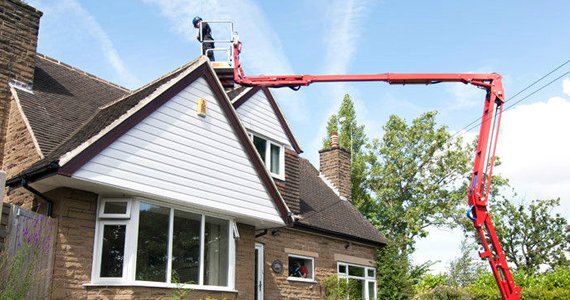
The City of London — the Square Mile — contains some of the most historically significant and architecturally diverse buildings in England. The residential property that exists within the City ranges from post-Great Fire 17th-century structures through elegant Georgian townhouses, imposing Victorian commercial conversions, and post-war developments, right through to ultra-modern residential towers. Many of these buildings are listed at Grade I, II*, or II, with roofing systems that range from centuries-old lead work to Victorian slate to modern membrane systems. A professional roof survey City of London assessment requires specialist knowledge that goes far beyond standard residential surveying — it demands understanding of historic materials, conservation regulations, and the unique atmospheric conditions of central London.
The City's unique environment creates specific pressures on roofing. Centuries of atmospheric pollution have left deposits on historic roof materials that affect their longevity differently from suburban buildings. The urban heat island effect means the City experiences higher temperatures than surrounding areas, accelerating thermal cycling in lead work and creating expansion stresses in historic materials. Thames proximity adds humidity. The City's dense built environment creates complex wind patterns — tall modern buildings can channel wind in ways that significantly increase loading on neighbouring historic roofs. London clay beneath the Square Mile creates subsidence risk, while centuries of building and rebuilding have created varied and sometimes unpredictable ground conditions. A roof survey City of London must integrate all these factors into assessment.
Standard surveys are designed for suburban houses, not historic City buildings. What City property owners and managers need: Is your Georgian lead roof corroding from atmospheric pollution or reaching natural end of life? Are those Victorian slates on your Barbican-area property failing from frost or delamination? Is your listed building's ridge line moving from ground settlement or thermal expansion? Does your roof repair require Listed Building Consent, and what materials are acceptable?
Our City of London roof survey service answers these specialist questions. We assess against construction era, historic significance, listed status, specific atmospheric exposure, material condition, regulatory requirements, and ground conditions. This delivers the specialist intelligence that City property demands.
For City property owners: With City residential property commanding premium values, professional roof assessment protects substantial investments. Understanding conservation obligations alongside maintenance needs prevents costly regulatory problems.
For property managers: City buildings often have complex ownership structures. Professional roof survey documentation provides the evidence base for freeholder/leaseholder discussions, insurance compliance, and planned maintenance programmes.
Nearby Areas with Similar Properties: Historic and period properties extend into neighbouring Westminster and Southwark, where Georgian and Victorian buildings face comparable conservation and maintenance challenges. See our area-specific guides for detailed information.
A management company responsible for a Grade II listed Georgian building near Smithfield noticed water staining on a top-floor ceiling. A general maintenance contractor inspected and replaced some visible damaged slates. Cost: £1,200. The staining stopped temporarily.
Six months later: Water staining returned in an expanded area. A roofer assessed and repointed chimney mortar, replaced more slates. Cost: £2,500. He noted the lead valley "needs attention eventually."
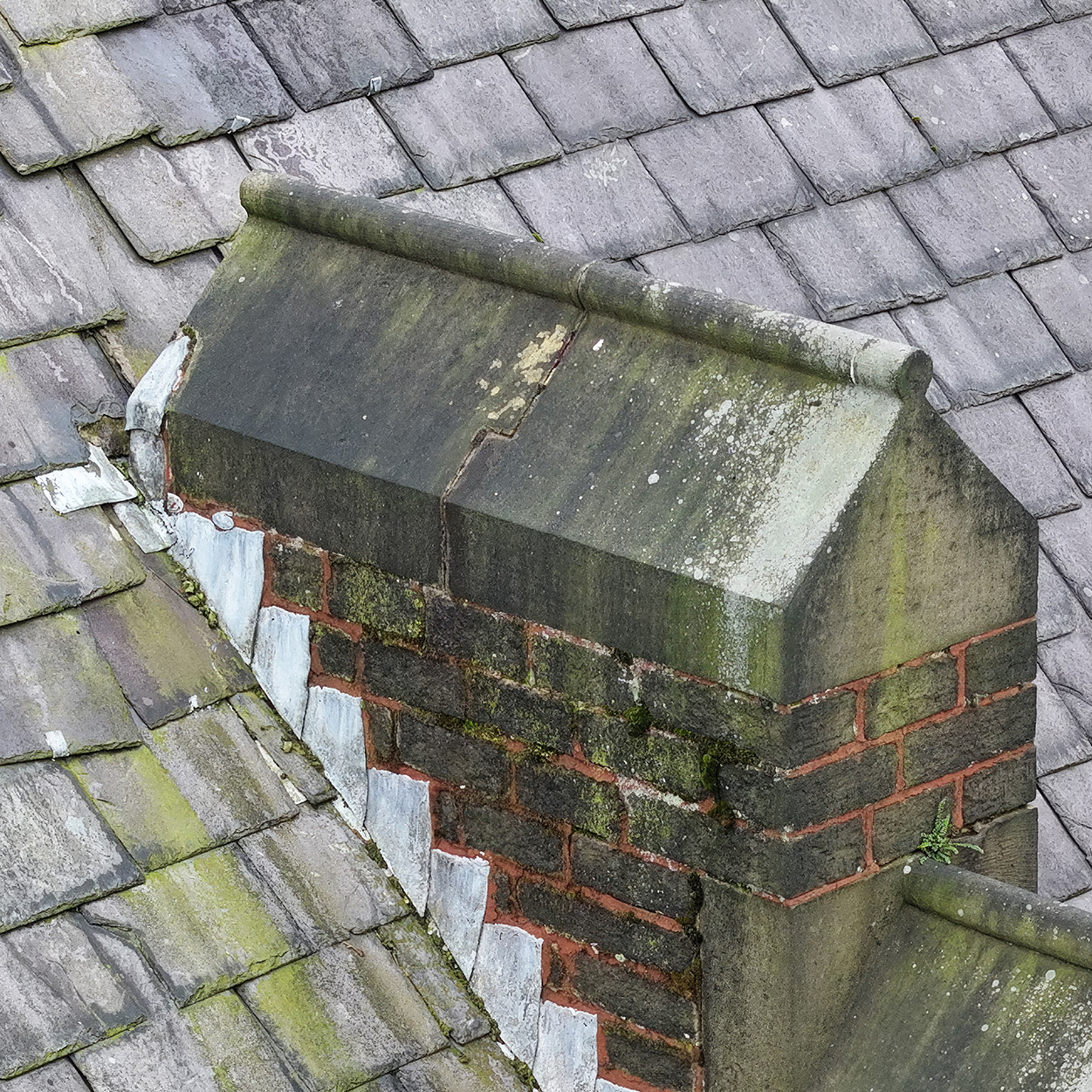
Eighteen months later: Major water ingress during prolonged rain. Emergency assessment reveals extensive lead valley corrosion accelerated by atmospheric pollution deposits, widespread slate nail corrosion, and settlement movement opening traditional lime mortar flashings. Critically, the Grade II listing means all repairs must use traditional materials and methods — the previous slate replacements used non-matching material that now requires removal. Listed Building Consent needed for the scope of work required. Full restoration quote: £45,000-£65,000 including conservation-grade materials, LBC application, and internal damage repair.
What a Professional Roof Survey City of London Assessment Would Have Shown Initially: "This Grade II listed Georgian building shows lead valley corrosion significantly accelerated by centuries of atmospheric pollution deposits. Welsh slate fixings exhibit corrosion from the City's unique atmospheric chemistry. Lime mortar flashings show movement-related cracking from clay settlement. Listed Building Consent will be required for any significant roof intervention. Recommend conservation-grade assessment and phased restoration plan within 12 months, using LBC-compliant materials and methods. Early intervention estimate: £18,000-£25,000 with matched materials."
The Lesson: City properties — especially listed buildings — require specialist assessment that understands conservation obligations alongside material condition. Generic repairs using non-compliant materials create regulatory problems and additional costs. Professional roof survey in the City of London prevents both material failure and regulatory complications.


City of London roof surveys demand specialist qualifications and conservation expertise. We combine RICS-registered surveyor qualifications with deep experience in historic building assessment, listed building regulations, and the specific materials and conditions found within the Square Mile. We understand lead roofing, historic slate, traditional lime mortar, and how the City's unique atmospheric environment affects every material differently.
City of London roof surveys reflect the complexity and significance of the buildings involved. Historic and listed buildings require detailed assessment of traditional materials, conservation compliance, and specialist documentation. We provide exact quotes based on your building's specific requirements.
The cost of specialist roof survey City of London assessment is modest against City property values and the potential cost of non-compliant repairs or emergency work on historic structures. Our reports support planning applications, insurance claims, and freeholder/leaseholder discussions.
What matters: Conservation-aware assessment that protects both your building and your regulatory position.
Water ingress, lead deterioration, or visible damage in City buildings needs specialist assessment that understands both the material and the regulatory context. We identify causes and recommend conservation-compliant solutions.
City residential property commands premium prices. Understanding roof condition — including listed building obligations and conservation requirements — is essential for informed investment decisions. Our roof survey City of London reports provide that intelligence.
Professional assessment provides documented condition for insurance, freeholder obligations, and planned maintenance programmes. Our reports are designed for the multi-stakeholder environment common in City property.
Before any significant roof work on a listed or historic City building, professional assessment establishes baseline condition and informs Listed Building Consent applications.
Our reports identify non-compliant previous repairs and provide specifications for conservation-grade restoration that satisfies heritage requirements.
City buildings often require specialist insurance documentation. Our detailed reports with photographic evidence meet the requirements of commercial and specialist property insurers.
Lead condition and corrosion assessment, slate and tile evaluation, structural integrity, traditional flashing and mortar condition, atmospheric pollution effects, wind loading from adjacent buildings, ground settlement impacts, conservation compliance, maintenance requirements, and remaining useful life for each roof element.
Yes — listed building assessment is a core specialisation. We understand LBC requirements, conservation officer expectations, and the specific documentation needed for historic buildings in the City of London.
City building surveys typically take 3-5 hours depending on building complexity, access arrangements, and listed status. Detailed report within 48-72 hours.
The entire Square Mile and EC postcode areas including EC1, EC2, EC3, and EC4. Plus immediately adjacent areas in Southwark, Westminster, Islington, Hackney, and Tower Hamlets.
£350-£1200 depending on building complexity and listed status. Exact quotes provided after initial discussion of your property's requirements.
The City of London's residential property market is unique. The Square Mile is predominantly commercial, but contains significant residential stock — from Barbican estate flats to Georgian townhouse conversions to ultra-modern riverside apartments. Residential values range from £500K for Barbican studios to £5M+ for premium converted period properties. The Barbican estate alone contains over 2,000 residential units with its distinctive brutalist concrete construction requiring specialist assessment different from traditional buildings. Georgian and Victorian conversions in areas like Smithfield and Clerkenwell borders command premium prices for their historic character and Square Mile address.
The City's conservation framework is among the most rigorous in England. Numerous conservation areas, extensive listed building stock, and the City of London Corporation's heritage policies mean that roof repairs often require formal consent and must use specific traditional materials. Non-compliant repairs — even well-intentioned ones — can create regulatory problems and diminish property value. A roof survey City of London that understands this framework provides assessment that's both technically accurate and regulatory-aware — essential for City property owners and managers navigating the intersection of building maintenance and heritage conservation.
The City's atmospheric environment has been uniquely affected by centuries of coal burning, industrial activity, and modern traffic pollution. These deposits affect historic materials differently from suburban buildings — lead corrodes faster, stone deteriorates through specific chemical reactions, and slate surfaces accumulate pollution that changes their weathering behaviour. Professional roof survey City of London assessment accounts for these City-specific atmospheric factors when evaluating material condition and remaining life.
Barbican, Smithfield, Bank, Cornhill, Fleet Street, Aldgate, St Paul's, Moorgate, Cheapside, Tower borders, Clerkenwell borders
Westminster, Southwark, Hackney, Islington, Tower Hamlets
EC1A, EC1M, EC1N, EC1R, EC1V, EC1Y, EC2A, EC2M, EC2N, EC2R, EC2V, EC2Y, EC3A, EC3M, EC3N, EC3R, EC3V, EC4A, EC4M, EC4N, EC4R, EC4V, EC4Y
City of London properties are exceptional — and they require exceptional assessment. Whether you own residential property in the Square Mile, manage a listed building, or oversee a Barbican flat, understanding your roof's condition within the City's conservation framework is essential.
Call 07833 053 749 for specialist City assessment. Conservation-aware surveys. Heritage-compliant reporting. Independent expertise that protects both your property and your regulatory position.
