
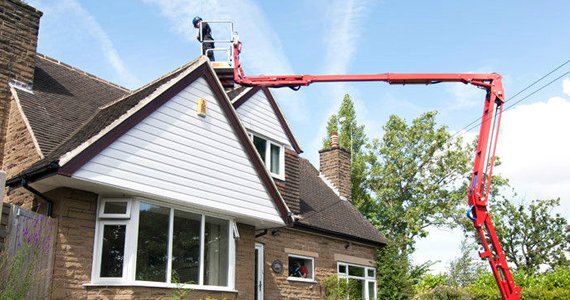
Peckham is south-east London's most rapidly transforming neighbourhood, and its property stock spans the full spectrum of Victorian residential development. Grand villas near Peckham Rye Park sit alongside the densely packed terraces of Bellenden Road and Rye Lane — built between 1870 and 1900 with Welsh slate roofs, lead flashings, ornate chimney stacks, and decorative ridge tiles now 125-155 years old. Extensive conversion from family houses into flats over decades has created complex multi-ownership buildings where roof maintenance responsibilities are frequently unclear. A professional roof survey Peckham inspection identifies how original Victorian construction, conversion modifications, and shared ownership complexities interact.
Peckham Rye Park and Common's mature tree canopy affects surrounding properties significantly. Tree roots interact with London clay to cause localised subsidence, canopy shade promotes moss growth and moisture retention on roof surfaces, and autumn leaf-fall blocks gutters and valley channels. Many converted properties have altered drainage that compounds these issues — downpipes serving multiple households, converted guttering running at inadequate falls, and flat roof extensions added without adequate waterproofing. These Peckham-specific factors — tree proximity, clay subsidence, conversion quality variation, and multi-ownership complexity — combine to create compound challenges that require specialist roof survey Peckham assessment to untangle.
A standard survey notes "roof in fair condition." For a Peckham Victorian property now worth £500K-1.2M+, that's dangerously vague. What you need from a roof survey Peckham specialist: Which conversion flat roofs are approaching failure? Has tree-root subsidence shifted shared chimney stacks? Are drainage modifications adequate for multiple-household loading? Which leaseholder is responsible for which roof section?
Our Peckham surveys answer these specific questions. Properties share Victorian characteristics with nearby Brixton and Clapham, though Peckham's particularly high conversion rate and Rye Park tree canopy create distinct additional pressures on local properties.
For Peckham homeowners: Whether you own a whole house or a flat, understanding your roof's condition prevents the compound failures that are particularly expensive and disruptive in converted properties — where one section's failure causes damp in multiple flats and responsibility disputes delay repairs.
For landlords: Peckham's rapidly rising rental market demands consistent property condition. Professional documentation satisfies insurance, prevents tenant disputes, and provides the maintenance evidence needed for converted property management.
Nearby Areas with Similar Properties: Victorian terraces requiring specialist assessment also characterise nearby Lambeth and Lewisham, where similar property types face comparable conversion and maintenance challenges. Each area has distinct local conditions, but all benefit from specialist period property assessment.
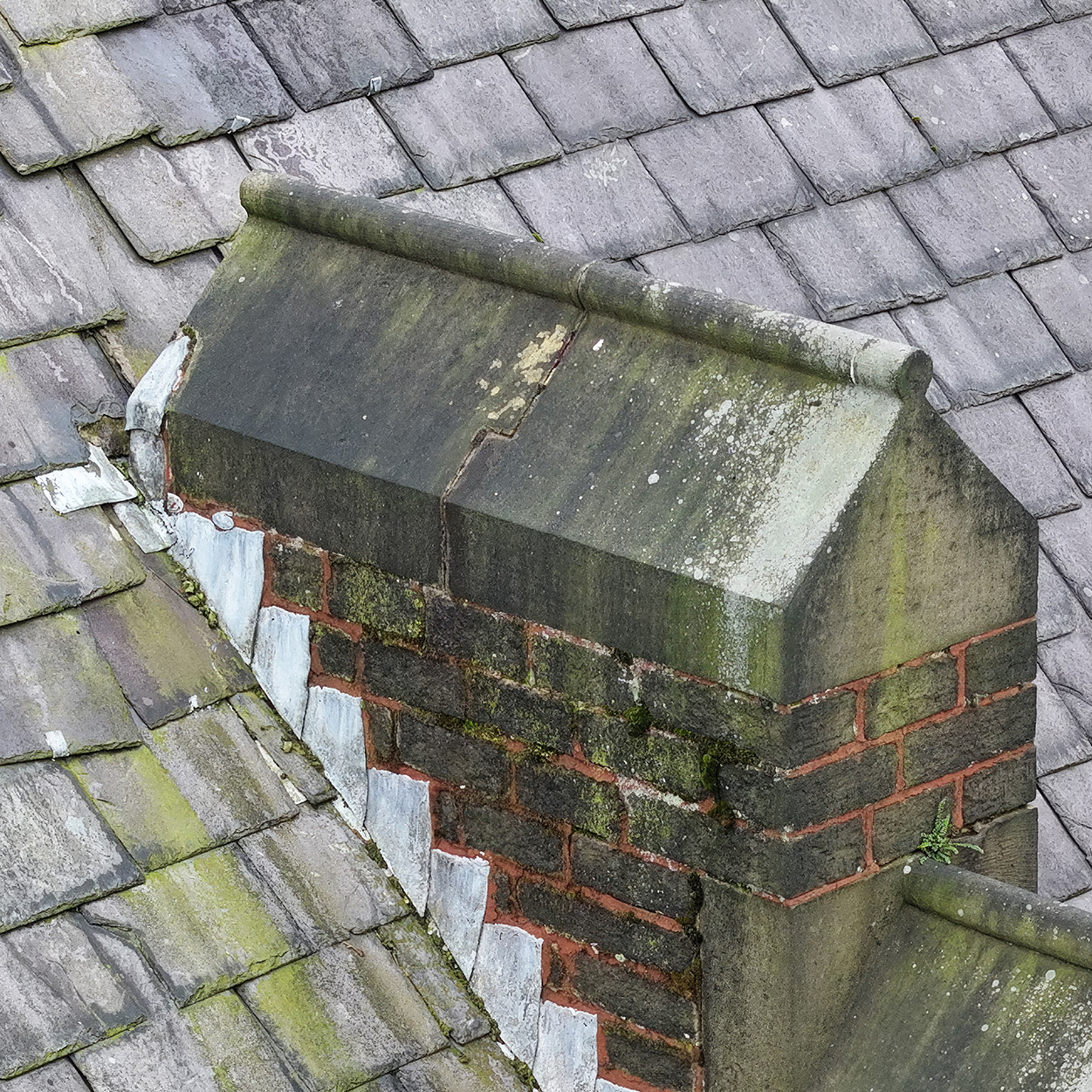
A couple purchased a two-bedroom flat in a converted Victorian house near Bellenden Road for £485K. The property — originally a four-bedroom family home — had been converted into two flats in the early 2000s. The purchase survey noted "roof appears in reasonable order." No specialist roof survey Peckham inspection was commissioned.
Year 1: After winter storms, damp appeared in the upstairs bedroom near the chimney. The freeholder arranged a roofer who patched lead flashings around the stack. Cost shared: £350 each flat. Problem seemed resolved for the summer.
Year 2: Damp returned worse than before, now also appearing in the hallway ceiling near the rear extension flat roof. Investigation revealed: the chimney stack had shifted from Rye-side tree-root subsidence, opening flashings on two sides. The conversion flat roof over the rear extension — serving the downstairs flat's kitchen — was ponding due to inadequate falls. The original slate roof was delaminating on the park-facing elevation from sustained shade and moss damage.
Year 3: Emergency repairs required — chimney rebuild, flat roof replacement, slate renewal on one elevation, and gutter overhaul. Comprehensive cost: £26,000-£32,000 shared between two leaseholders. Three months of disputes about responsibility for the flat roof (which served the ground floor but was accessed via the first floor) before work could begin.
What a Professional Roof Survey Peckham Assessment Would Have Shown: "This converted Victorian terrace has four developing failure points: chimney stack displacement from active tree-root subsidence (15mm movement, needs structural stabilisation within 6 months), conversion flat roof with inadequate falls causing ponding (membrane at end-of-life, 2-3 years), park-facing slate elevation showing advanced delamination from shade and moss (20% slate replacement needed within 18 months), and gutters undersized for current loading. Budget £16,000-£20,000 shared between leaseholders. Chimney stabilisation most urgent. Responsibility: flat roof is communal (serves structure); chimney and slate are communal; gutters communal."
The Pattern: Peckham's converted Victorian properties combine material age, park-proximity tree impact, clay subsidence, conversion quality variation, and shared ownership complexity. Unclear responsibilities delay repairs, worsening damage. Professional roof survey Peckham assessment identifies each system, maps responsibility, and enables coordinated intervention.
The Lesson: For Peckham's converted properties near the Rye, professional assessment that identifies problems early and maps responsibility clearly is essential — preventing compound failures amplified by tree-root subsidence and the costly disputes that delay repairs in shared buildings.


Professional roof surveys for Peckham's diverse Victorian properties demand both certification and specialist local knowledge. We combine RICS-registered surveyor qualifications with years specializing in south-east London's converted period stock. This means we understand roofing principles AND Peckham's specific challenges — Rye Park tree impact, clay subsidence, conversion complexity, shared ownership mapping, and the particular pressures of London's most dynamic regeneration neighbourhood.
For Peckham properties — whether whole houses or flats in converted buildings — professional roof survey assessment costs a fraction of compound emergency repairs. We evaluate each system independently, map responsibilities in converted properties, and provide prioritised maintenance intelligence that prevents the disputes and delays that make shared-building roof failures so expensive.
We provide exact quotes when you call. No surprises. You get the specialist assessment Peckham's evolving property stock deserves.
Peckham's converted properties often develop multiple simultaneous issues across different ownership sections. We identify each source independently and map responsibility, enabling coordinated solutions without the disputes that typically delay repairs.
Standard surveys miss conversion complications and shared responsibility issues. Before committing to Peckham's rapidly appreciating market, understand every roof system and who maintains it. Our roof survey Peckham assessments prevent post-purchase surprises.
Freeholders and managing agents need clear documentation showing which roof systems serve which sections. Our reports provide the professional evidence needed for leaseholder communication, Section 20 consultations, and reserve fund planning.
Properties near Peckham Rye face elevated tree-root subsidence risk, shade-related deterioration, and gutter blockage from leaf-fall. Professional assessment identifies these park-specific challenges and quantifies their impact on your roof.
Before adding another unit or converting a loft, understand existing roof condition. Our assessment prevents building on failing systems and identifies structural implications for the whole building.
Peckham property values continue to surge. Understanding your roof's condition — and your maintenance obligations — lets you plan spending strategically and protect your investment in SE15's dynamic market.
We assess slate condition, lead flashings, chimney stacks (subsidence movement), party wall junctions, conversion flat roof sections, valley gutters, structural timber, tree-canopy impact, drainage adequacy, and remaining lifespan. For converted properties, each system is mapped to ownership responsibility with prioritised recommendations.
All Peckham including Bellenden Road, Peckham Rye, Rye Lane, Nunhead, Queens Road, East Dulwich border, and all SE15/SE22 postcodes. Also serving Brixton, Clapham, Lambeth, Southwark, and Lewisham.
Most Peckham surveys take 2-3 hours. Converted properties with multiple roof systems may require longer. Detailed report within 48 hours including responsibility mapping where applicable.
Our independent reports document which roof sections cause problems and map maintenance responsibilities professionally. This evidence typically resolves disputes efficiently and is accepted by tribunals if escalation becomes necessary.
Peckham has undergone one of London's most dramatic property transformations. Once among south London's most affordable areas, Victorian terraces near Bellenden Road and Peckham Rye now command £800K-1.2M+ for whole houses, with converted flats fetching £350-550K. The arrival of galleries, restaurants, and creative businesses has transformed the area's profile while highlighting decades of deferred maintenance in its Victorian housing stock. Professional roof survey Peckham assessment has never been more important — both for buyers entering a rapidly appreciating market and for existing owners discovering maintenance needs in properties that were under-invested for years.
Peckham Rye Park and Common — 113 acres of green space at the heart of the neighbourhood — create specific environmental conditions affecting surrounding properties. Mature London plane trees and oaks extend roots deep into reactive London clay, causing localised subsidence that shifts foundations and chimney stacks. Canopy shade keeps roof surfaces damp, promoting moss growth and accelerating slate degradation on park-facing elevations. Autumn leaf-fall blocks gutters and valleys, creating overflow that damages fascias and soffits. Combined with Peckham's exceptionally high rate of Victorian house conversion and multi-ownership complexity, these factors demand specialist roof survey Peckham knowledge for accurate assessment.
Bellenden Road, Peckham Rye, Rye Lane, Nunhead, Queens Road, East Dulwich border, Peckham High Street, Choumert Road, Holly Grove
Brixton, Clapham, Lambeth, Southwark, Lewisham
SE15 (Peckham), SE22 (East Dulwich border), SE5 (Camberwell border)
Whether you own a Victorian terrace near the Rye, a flat in a converted building, are buying into Peckham's surging market, or manage a portfolio of converted properties, professional roof survey Peckham assessment is essential protection. Tree-root subsidence, conversion complexity, and shared ownership create compound risks that generic surveys consistently miss — and that become vastly more expensive when disputes delay repairs.
Call 07833 053 749 now for immediate assessment. Detailed report within 48 hours. Priority service available.
