
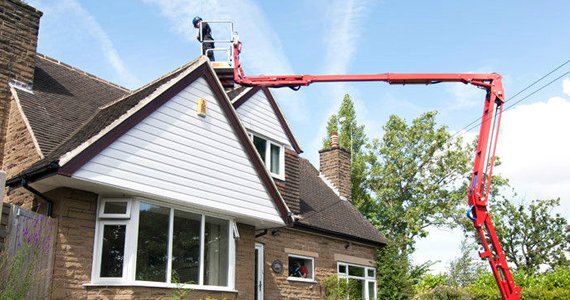
Tell us about your property - Old Town medieval cottage on All Saints Street, Victorian terrace on The Ridge or in Ore, Regency conversion around Warrior Square in St Leonards, or detached house in Hollington. Fixed price from £195 immediately over the phone. No forms, no waiting.
Complete envelope assessment: pitched roof tile or slate condition and fixing integrity, flat rear extension membrane and upstand junction details, lead and zinc flashing corrosion from Channel salt air, chimney stack mortar and flaunching, gutter capacity and downpipe condition. Both pitched and flat sections assessed as one survey. Conservation area material requirements addressed for Old Town properties.
Full written report with photographs, element-by-element condition ratings, remaining lifespan estimates, and a prioritised maintenance plan with budget figures. For Old Town listed buildings: traditional material specifications and listed building consent guidance. Formatted to support price negotiation or insurance claims where needed.
Hastings is a town of around 91,000 people sitting directly on the English Channel in East Sussex. Its character is shaped by its working fishing history on The Stade - home to Europe's largest beach-launched fishing fleet, a fact that has defined the town since the medieval period - its Old Town squeezed between East Hill and West Hill, its Victorian expansion along The Ridge and inland neighbourhoods, and its absorption of James Burton's planned Regency resort of St Leonards-on-Sea from 1828 onward. These phases of development created three completely distinct roofing challenges.
Average prices across the Hastings borough run at around £242,000-£304,000 - well below the East Sussex average and far below Surrey and Kent. This attracts buyers, investors and landlords seeking South Coast value. But the building stock has accumulated maintenance liabilities that years of minimum-cost management have deferred rather than resolved. A £195 roof survey Hastings assessment is the cheapest available protection against discovering what those liabilities are after completion.
The Old Town occupies the ancient valley between East Hill and West Hill, running from The Stade fishing beach through George Street and the High Street, up through the narrow twittens to All Saints Street and the cliff face. The 39 black net huts on Rock-a-Nore - the earliest recorded from the 16th century - are the defining image of the vernacular character that makes this a designated conservation area. Grade II and Grade II* listed buildings include medieval timber-framed houses, Georgian facades, fishermen's cottages, and Victorian additions to all of the above. These require traditional materials - handmade plain tiles, natural slate, lime mortar - and assessment of multi-period construction where medieval, Tudor, Georgian and Victorian phases may all be present on the same property, each behaving differently.
The Ridge, Hollington, Silverhill, Ore and Clive Vale are predominantly solid Victorian and Edwardian brick terraces and semis built from the 1870s onward. The near-universal common factor is the flat-roofed rear extension - the original Victorian scullery or kitchen lean-to, extended and re-extended over 130 or more years. These flat roofs are the most common single source of persistent water ingress in Hastings properties. Over multiple re-roofing generations the upstand junction - where the flat roof meets the main house rear wall - deteriorates into a patchwork that fails quietly over several winters before the damage inside becomes visible. Salt air from the Channel degrades flat roof membranes faster than equivalent inland properties. A pitched roof that looks entirely sound can mask active water ingress through the flat rear - which general surveys from the front of the property never identify.
St Leonards-on-Sea was developed by James Burton from 1828 as a planned Regency resort - the elegant seafront terraces, Marina and Warrior Square give the area its distinctive grandeur. These large properties face direct Channel exposure. Many have been converted to flats with shared freehold arrangements where roof maintenance responsibility is shared but often poorly managed. The scale means roof defects drive water through considerable depths of building fabric before becoming apparent internally - by which point the remediation cost has multiplied significantly.
Nearby Areas: We also cover St Leonards, Bexhill, Battle, Eastbourne, and Rye.
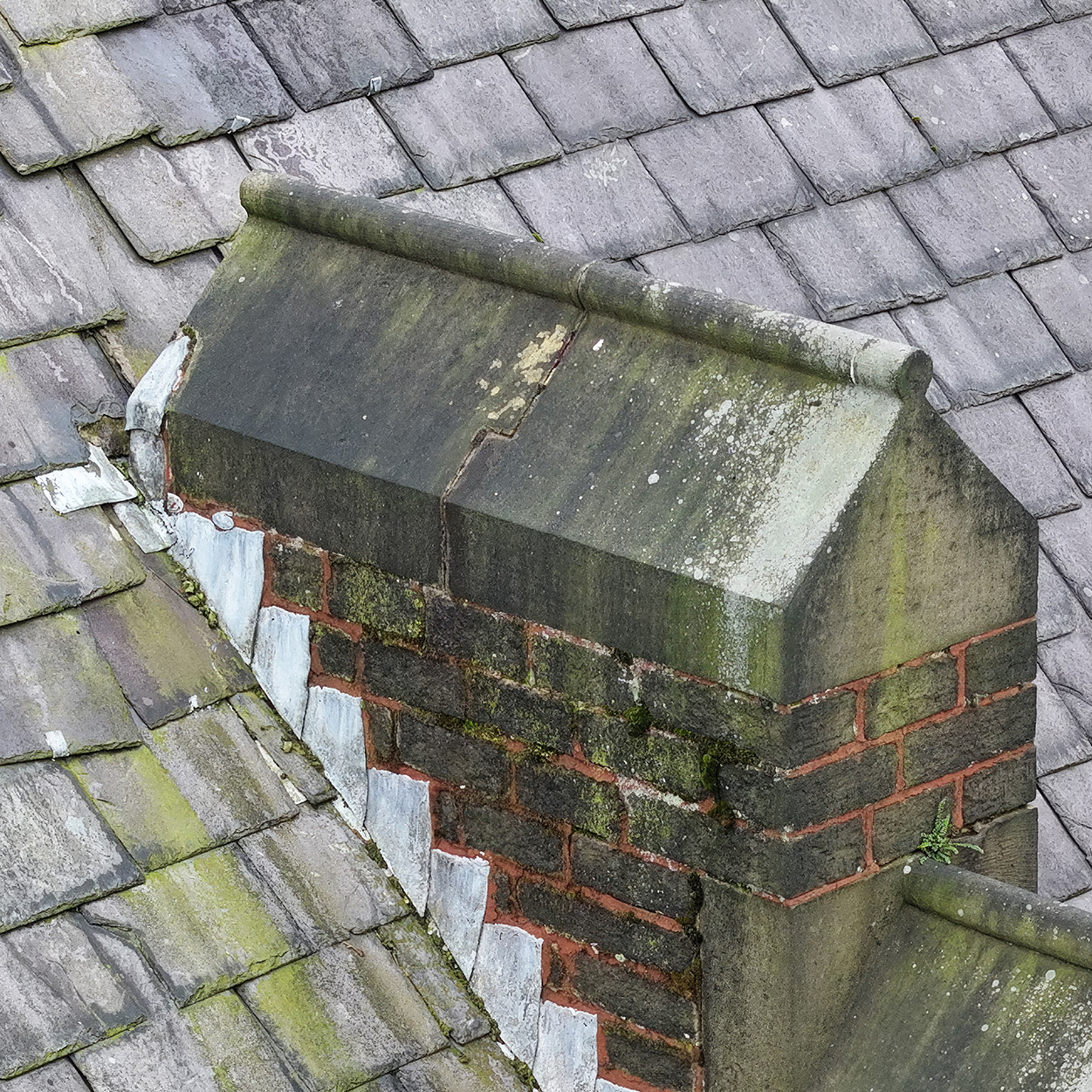


Old Town listed buildings, Victorian terraces with flat rear extensions, and direct Channel salt air exposure create assessment demands that general surveys and piecemeal roofer visits consistently fail to meet. We bring formal surveying qualifications, specific knowledge of Hastings building stock from 1195 onwards, and direct experience with the three core failure patterns that recur across the town's different neighbourhoods and building eras. From £195, you get a complete envelope assessment - not just the part of the roof visible from the front garden.
A couple bought a three-bedroom Victorian terrace in Silverhill, Hastings, for £235,000. The homebuyer's survey stated "the roof covering appears in reasonable condition; normal maintenance recommended." The surveyor inspected from the front only. The flat-roofed rear kitchen extension - single storey, full width of the rear - was not assessed because getting onto it required going through the property and out the back.
Six months in: A brown stain appears on the kitchen ceiling in the corner where it meets the rear bedroom wall above. A decorator stain-blocks it. The stain returns the following winter.
Year two: A roofer visits and inspects from the front. He replaces two cracked tiles and repoints the chimney pot. Cost: £380. The stain continues. A second roofer reseals a chimney flashing he can see from the ladder. Cost: £290. The stain still returns.
Year three, autumn: The stain has spread. The bedroom plaster above is softening. A building surveyor is finally commissioned. Getting onto the flat kitchen roof reveals: a torch-on modified bitumen membrane, approximately 15 years old, showing oxidation cracking across 40% of its surface. The critical failure is the upstand: the membrane strip that turns up the rear main house wall had separated from the wall face by approximately 8mm - channelling roof water directly into the cavity between the extension and the main house wall on every rainy day. This had been happening for three to five years. Internal plasterwork on the rear bedroom wall required hacking to brick. The kitchen ceiling plasterboard required full replacement. The timber wall plate at the ground floor rear had begun to soften. Full remediation cost: £8,500-£11,000.
What a Roof Survey Hastings Specialist Would Have Identified at Purchase: "Flat-roofed rear kitchen extension: modified bitumen membrane showing end-of-life oxidation cracking across 40% of surface. Upstand junction at rear main house wall: 8mm separation from brickwork face - active water ingress pathway confirmed. Recommend: full flat roof strip and recover with GRP system incorporating mechanically fixed upstand minimum 150mm turn-up. Budget: £3,500-£4,500 immediately. Pre-exchange price reduction or retention of £5,000-£8,000 advised."
The Hastings Pattern: This scenario - a Victorian terrace with a flat rear extension that no standard survey properly assesses - accounts for a significant proportion of persistent damp complaints across Hastings. The £195 specialist survey that checks the complete envelope costs less than the first roofer visit and finds the actual problem at the actual location.
Hastings roof surveys start from £195. In a market where properties sell for £235,000-£300,000, a £195 survey is the cheapest protection available against discovering a flat roof upstand failure, a salt-corroded tile fixing field, or an Old Town chimney with failed flaunching after completion. Most buyers recover the survey fee many times over in pre-exchange negotiation alone.
Call 07833 053 749 for an exact price immediately over the phone. Both pitched roof and flat rear extension assessed as a single survey - no separate fee for the back of the property. Full written report with photographs within 48 hours. Same-day service often available across TN34, TN35 and St Leonards.
For landlords with multiple properties: portfolio survey pricing available. For Old Town listed buildings: conservation area material specifications included as standard in the report.
Hastings price points attract buyers and investors, but the stock carries specific risks that standard homebuyer surveys consistently miss - particularly the flat rear extension that standard assessors rarely inspect from above. A £195 specialist survey before exchange gives you flat roof condition, tile fixing salt-corrosion status, chimney and flashing assessment, and the conservation area detail that general surveys do not provide.
In Hastings Victorian terraces, persistent damp traced to "the roof" most often originates at the flat rear extension upstand - not the pitched roof visible from the street. Roofer visits that address the pitched front roof without inspecting the flat extension junction will never find the problem. A complete envelope survey identifies where water is actually entering the building.
Old Town conservation area properties require traditional materials for any visible repair work. Lime mortar, handmade clay plain tiles, natural Welsh or Spanish slate - using modern incompatible materials on a listed building creates consent issues that are expensive to resolve. Our surveys specify conservation-compatible approaches for every element and provide the documented specification needed for listed building consent applications.
Shared freehold flats in Warrior Square, Marina and the seafront terraces carry shared roof maintenance responsibilities that are easily deferred. Before committing to a share of freehold, an independent assessment of the complete roof envelope - flat roof sections over rear returns, mansard dormers, internal gutter channels - tells you what the shared liability actually is before you accept it.
The rental yield available in Hastings attracts landlords, but a Victorian terrace with a deteriorating flat rear roof generates a tenant complaint cycle that costs far more than proactive maintenance. Annual or biennial surveys establish baseline condition, track deterioration, and allow planned re-roofing of flat extensions at managed cost rather than emergency recovery mid-tenancy.
Channel-facing properties in Hastings and St Leonards are periodically struck by south-westerly storms that lift tiles on salt-corroded fixings, strip lead flashings from parapets, and damage gutters. An immediate post-storm assessment establishes what has been damaged, what is at risk, and provides the documentation needed for an insurance claim before repair work alters the evidence.
Salt-laden air from the Channel carries chloride ions that attack iron and steel fixings - the nails or clips holding clay plain tiles to roof battens. This corrosion develops invisibly under tiles that appear from the ground to be sitting normally. A roof can have 20-30% of its tiles held by near-failed fixings without any visible sign from below. The problem reveals itself in a significant South Coast storm when tiles on corroded fixings blow off in large numbers. An independent roof survey assesses tile movement and fixing integrity across the whole slope - giving you an accurate picture of how much at-risk area exists before the storm arrives.
Access is physically challenging - many properties are reached only by steep twittens or narrow passages. The buildings themselves are often multi-period: a medieval timber frame, a Georgian brick facade, a Victorian rear extension, and a modern flat-roofed kitchen addition may all be present on the same property. Each phase has its own material behaviour and its own failure modes. A survey that assesses the complete envelope across all phases - rather than just the most recent roof covering - is the only approach that identifies everything that needs attention.
Yes. Properties on the Fairlight cliffs and through TN35 east of Hastings face some of the most intense coastal exposure in East Sussex - unobstructed south and south-east Channel fetch. Roof tile fixings on exposed cliff-top positions fail at a noticeably faster rate than sheltered inland properties. We regularly survey throughout TN35 including Fairlight, Fairlight Cove, and the coastal fringe between Hastings and Winchelsea Beach.
The upstand is the strip of roofing membrane that turns up the vertical face of the main house wall where a flat roof abuts it, and is mechanically fixed or tucked into a mortar joint. When the upstand fails - separating from the wall face, cracking, or losing its mechanical fixing - rainwater runs behind it and into the cavity between the extension and the main house wall. This water tracks internally rather than appearing as a visible external leak, typically travelling some distance before creating the ceiling stain or damp patch that draws attention. The flat roof surface itself can appear undamaged while the upstand has been failing for years. Assessing upstand integrity requires physically getting onto the flat roof and examining the junction from close range.
All Hastings postcodes: TN34 (town centre, Old Town, The Ridge, Hollington, Silverhill), TN35 (Ore, Clive Vale, Fairlight), TN37 and TN38 (St Leonards-on-Sea, Warrior Square, Marina, West St Leonards). We also cover nearby Bexhill and Battle. Call 07833 053 749 for same-day survey availability.
Most Hastings residential surveys take 2-3 hours on-site. Old Town properties with difficult twitten access, multi-period complexity, or large Regency conversions in St Leonards may require 3-4 hours. The flat rear extension is assessed as part of the same visit at no extra charge. Full written report with photographs and prioritised recommendations within 48 hours.
Hastings offers some of the most accessible property prices on the South Coast of England, with a borough average of around £242,000-£304,000 - well below the East Sussex average of roughly £416,000 and far below the Surrey and Kent commuter towns to the north and west. This makes Hastings attractive to first-time buyers, investors and London leavers seeking value, and has driven a regeneration dynamic particularly visible in the Old Town and the St Leonards seafront area. The Hastings Contemporary gallery on The Stade - the shingle beach that has supported Europe's largest beach-launched fishing fleet for at least 400 years - opened in 2012 as part of a broader cultural investment in the town.
The attractiveness of the price point should not obscure the specific maintenance profile of the building stock. Victorian terraces with flat-roofed rear extensions that have not been professionally assessed in years, Old Town listed buildings with multi-period construction and conservation area constraints, and large St Leonards Regency conversions with shared maintenance responsibilities that have been deferred - all carry accumulated liabilities. A specialist roof survey Hastings assessment for £195 quantifies exactly what those liabilities are before completion rather than after.
Whether you own a listed building on All Saints Street in the Old Town, a Victorian terrace with a flat kitchen extension in Silverhill, a Regency flat around Warrior Square in St Leonards, or an exposed cliff-top property in Fairlight, a specialist survey from £195 gives you the information that standard surveys consistently miss. Flat roof upstand failures, salt-corroded tile fixings, Old Town multi-period building complexity - these are the specific Hastings challenges that matter.
Call 07833 053 749 now for an immediate exact quote. Full written report with photographs within 48 hours. Same-day service often available across TN34, TN35 and St Leonards.
