
Tell us about your property — period cottage, Victorian villa, listed building, any concerns. We give you a fixed price on the phone. No vague estimates, no hidden fees.
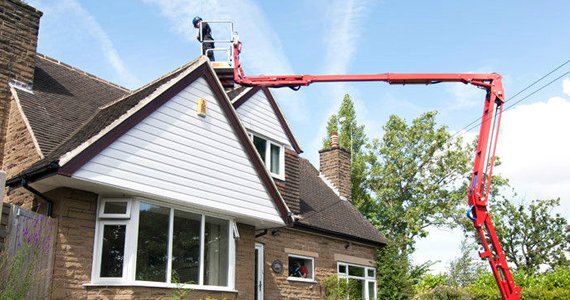
Our specialist surveyor assesses every element on-site — clay peg tiles, tile-hung elevations, chimney stacks, lead flashings, valleys, ridges. We photograph everything. Typically 2-3 hours.
Full written report with photographs, condition ratings, heritage material specifications where needed, and a prioritised action list with budget figures. Clear answers, not surveyor jargon.
Battle is a compact historic market town where five centuries of building sit within walking distance of each other. The High Street alone runs from 16th-century timber-framed cottages with handmade clay peg tiles through Georgian townhouses with Welsh slate to Victorian and Edwardian houses with machine-made clay tiles. Walk up Caldbec Hill or along Marley Lane and you find more period properties — some listed, most within the conservation area. Turn onto North Trade Road or Netherfield Road and the stock shifts to larger detached houses, some Georgian, some Victorian, set in grounds. Post-war estates on Norman Close, Hampden Close, and Swallow Drive brought standard concrete tile semis and bungalows. Modern development at Darvel Down in Netherfield adds contemporary builds.
What makes Battle different from most towns is the concentration of genuinely old buildings in daily residential use. A 16th-century timber-framed cottage on the High Street isn't a museum piece — it's someone's home with a family inside, a mortgage on it, and a roof that needs to work. That roof carries handmade clay peg tiles hung on oak laths with lime mortar bedding, possibly 200-300 years old, individually shaped, still performing but approaching the point where the mortar washes out and the laths split. Replacing like-for-like requires handmade clay peg tiles at £1,200-£2,000 per thousand and a roofer who knows how to hang them properly on the original lath pattern.
Many Battle properties have tile-hung upper storeys in the Sussex tradition — vertical tile hanging that protects walls from driving rain. When pointing behind tile hanging fails, water gets into the structure. On a timber-framed building, that means rot in the frame itself. This is invisible from outside until the damage is serious.
Battle sits on the High Weald ridge — elevated, exposed to prevailing south-westerly weather, with no sheltering urban fabric around the town. Roofs weather faster here than in sheltered valley locations. The Wealden clay creates seasonal ground movement that shifts older foundations subtly over decades, opening gaps at chimney-to-roof junctions and cracking ridge mortar.
A standard surveyor looks at a Battle cottage and writes "clay tile roof in keeping with the age and character of the property." That tells you nothing useful. What you need to know: Are the peg tiles still sound or have the nibs cracked? Is lime mortar bedding holding or washed out? Are oak laths splitting? Has the timber frame moved and opened gaps at tile-to-wall junctions? Is the tile hanging still weathertight or has pointing behind it failed?
Nearby Areas: Period properties requiring specialist assessment also characterise nearby Sedlescombe and Robertsbridge. Hastings and Bexhill share coastal exposure. See our area guides for details.
A couple bought a three-bedroom period cottage just off Battle High Street. Part timber-framed, part brick, tile-hung upper storey, handmade clay peg tile roof, two chimney stacks. Grade II listed. Classic Battle property. Homebuyer's survey: "traditional clay tile roof in keeping with the age and character of the property."
Year 1: Damp patch on the upstairs landing ceiling after autumn storms. Local roofer re-bedded ridge tiles and replaced two cracked peg tiles with modern machine-made tiles that didn't match. £320. Damp dried out.
Year 2: Damp returned near the chimney breast in front bedroom. Another roofer re-pointed chimney flashing and sealed around tile hanging where it met the roof slope. £480. He mentioned "the mortar's a bit soft" but didn't elaborate. Conservation officer noticed mismatched tiles and required them changed to handmade peg tiles.
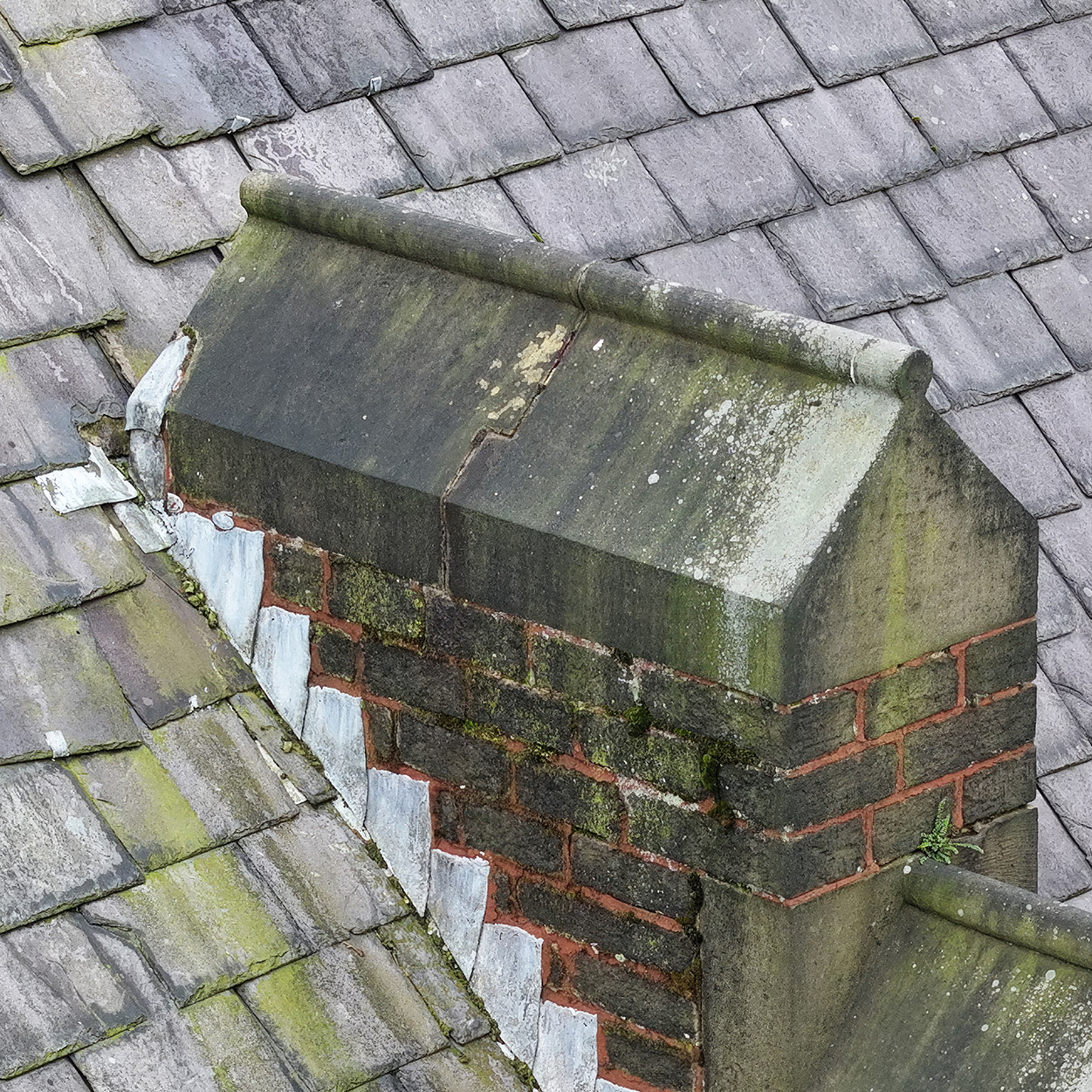
Year 3: After wet winter, water coming through multiple places. Emergency assessment revealed: lime mortar bedding failed across large sections of south-west slope — peg tiles sitting loose with nothing holding them to laths. Several oak laths split. Tile-hung upper storey lost pointing behind tiles on exposed elevation, allowing water into timber frame. Both chimney stacks had eroded mortar joints. Comprehensive repair: £7,200 re-bedding and re-hanging peg tiles with matching handmade replacements at £1,500/thousand + £2,400 oak lath replacement + £1,800 tile-hanging re-pointing + £2,600 both chimneys re-pointed and re-flashed + £1,200 timber treatment where water reached frame = £15,200 total.
What Professional Roof Survey Would Have Found Before Purchase: "Handmade clay peg tile roof with lime mortar bedding showing significant deterioration — multiple areas where mortar washed out and tiles held by friction. Oak laths splitting in several locations. Tile-hung elevation pointing failed behind tiles on south-west face. Chimney mortar eroded. Budget £9,000-£12,000 for comprehensive re-bedding with matching handmade peg tiles, lath repair, tile-hanging re-pointing, and chimney work within 12-18 months."
The Pattern: Battle's period cottages look picturesque — clay peg tiles age beautifully on the surface. But underneath, lime mortar slowly washes out, accelerated by High Weald elevation and exposure. By the time damp appears inside, bedding has failed across large areas and repair involves stripping and re-hanging entire slopes with expensive handmade tiles. Listed buildings add heritage material requirements, pushing costs higher.


Battle demands surveyors who understand traditional Sussex construction. We combine RICS-registered qualifications with hands-on experience assessing handmade clay peg tiles, lime mortar bedding, oak lath systems, tile-hung elevations, and the timber-framed structures that underpin many of Battle's oldest buildings. We know what conservation officers expect in listed building reports.
Battle roof surveys start from £195. A straightforward cottage or post-war semi is at the lower end. A large period house with multiple chimney stacks, valleys, dormers, and tile-hung elevations costs more. We give you an exact price when you call — no vague estimates.
Consider what happens without one. Handmade clay peg tiles cost £1,200-£2,000 per thousand. A comprehensive re-bedding of a Battle cottage roof runs £8,000-£15,000. Add timber frame repairs if water has been getting in through failed tile hanging. A survey from £195 that identifies developing problems before they reach that stage is the cheapest protection available.
For listed buildings, our reports include heritage material specifications detailed enough to support listed building consent applications — saving you a separate heritage consultant fee.
Listed buildings require repair with like-for-like materials — handmade clay peg tiles, lime mortar, oak laths, hand-dressed lead flashings. Our reports specify these materials precisely, so your roofer knows what's required and your conservation officer can approve the work.
Tile hanging protects walls from weather but the pointing behind tiles is invisible. We check for signs of failure — damp at tile-hung elevations, displacement of tiles, visible gaps where tiles meet window frames or roof slopes. On timber-framed properties, failed tile hanging allows water to reach the structural frame.
Most residential surveys take 2-3 hours on-site. Larger period properties with complex roof geometries may take longer. Detailed report with photographs within 48 hours.
That's exactly the problem. Handmade clay peg tiles weather beautifully on the surface — developing that rich patina that makes Battle cottages attractive. But underneath, lime mortar slowly washes out and oak laths split. By the time problems become visible, damage is already extensive.
Yes. Battle's post-war estates on Norman Close, Hampden Close, and surrounding roads carry concrete interlocking tiles now 50-70 years old. Different materials, same need for professional assessment.
Battle roof surveys start from £195. A straightforward property costs less than a large listed house with complex geometry. Call 07833 053 749 for an exact price.
Battle town centre, High Street, Caldbec Hill, Marley Lane, North Trade Road, Battle Hill, Netherfield Road, Netherfield Hill, Powdermill Lane, Telham Lane, Norman Close, Hampden Close, Swallow Drive, Field Way, and all surrounding properties across TN33
Hastings, Bexhill, Robertsbridge, Sedlescombe, Northiam
TN33 (Battle, Netherfield, Telham, Whatlington, Sedlescombe)
Battle is a town where genuinely old buildings are lived in every day. A professional survey from £195 tells you exactly what you're dealing with — whether that's a 16th-century cottage with peg tiles or a post-war semi with concrete tiles.
Call 07833 053 749 now. Exact price on the phone. Surveys from £195. Report within 48 hours.
