
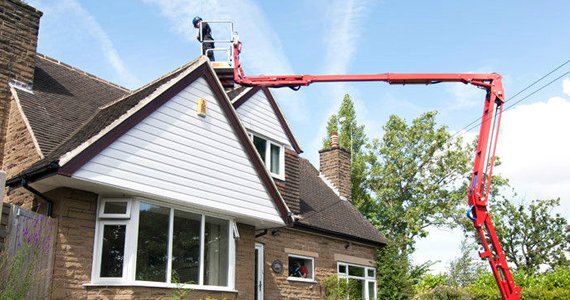


Dorking is a vibrant market town nestled in the Surrey Hills with properties ranging from period townhouses to country estates. The area's elevated geography and historic character create specific roof challenges. From the High Street properties to hillside homes, understanding your roof's condition requires local expertise.
We've assessed hundreds of Dorking roofs across all locations and types. We understand how Surrey Hills elevation and weather patterns affect roofing. We recognize period materials common to historic Dorking properties. We know modern construction in the area. This expertise means our assessment accounts for Dorking's unique characteristics and geographic position.
Dorking's character combines historic market town with modern residential development. The High Street and town centre contain period buildings. Surrounding hills feature both period country homes and contemporary properties. This diversity requires assessment expertise that understands both heritage and modern construction.
High Street & town centre: Historic buildings with period materials and construction. Often retain original features worth preserving.
Hillside properties: Elevation changes create different exposure and water management needs. Properties on slopes face unique drainage and wind exposure patterns.
Residential neighborhoods: Mix of period homes and modern development, requiring different assessment approaches.
Elevation and exposure: Surrey Hills elevation means wind exposure and weather intensity vary significantly. Higher properties experience different aging patterns.
Historic materials: Dorking's period buildings often contain original slate, stone tiles, or lead. These materials require specialist knowledge.
Water management on slopes: Hillside properties require careful assessment of how water flows and drains. Gutters and downpipes function differently on slopes.
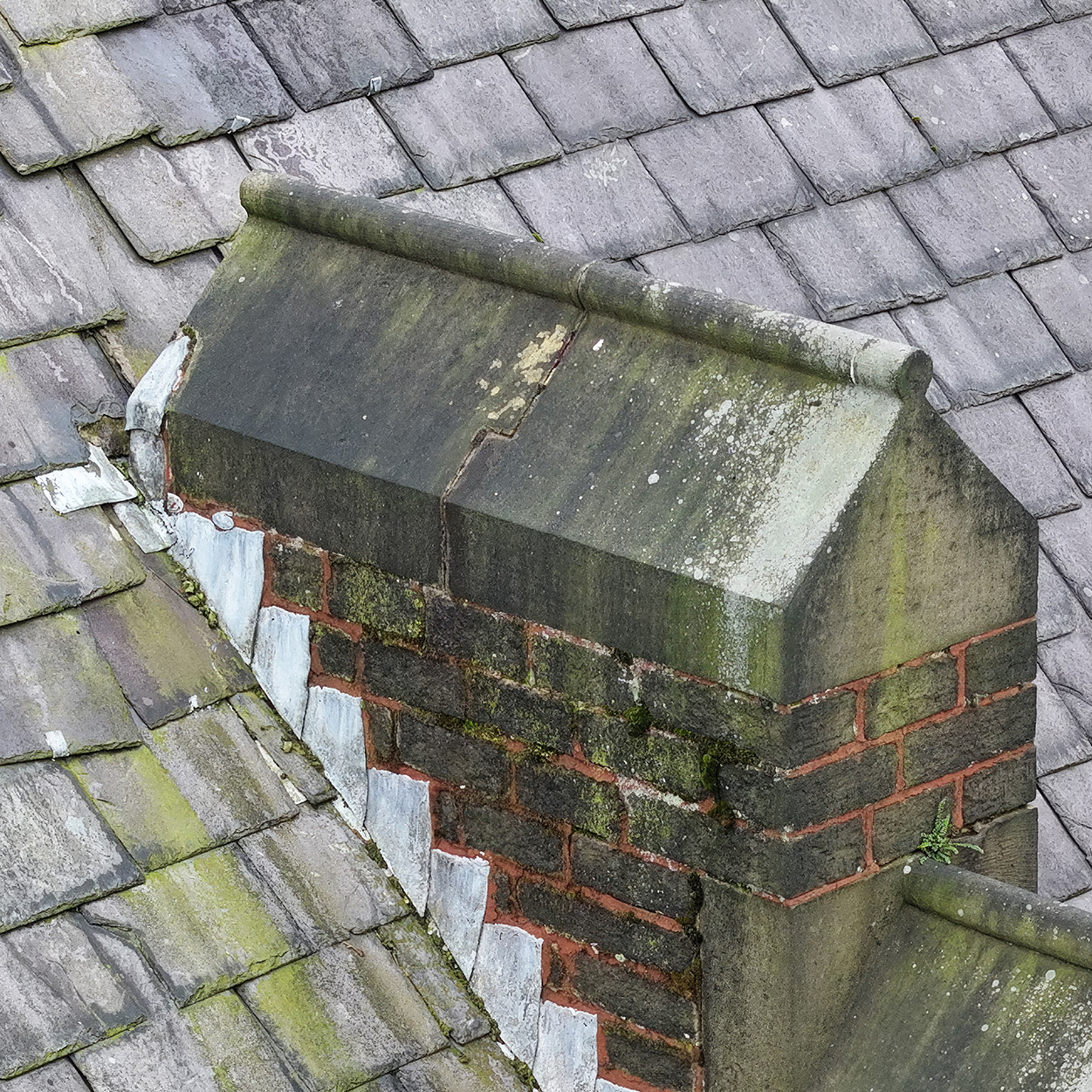
An owner of a beautiful Georgian townhouse on Dorking's High Street wanted to maintain its period character but had roof concerns. Wasn't sure what original materials needed.
Initial Concern: Old roof looked weathered. Owner assumed major work needed, feared roofer would want to replace with modern materials.
What Owner Discovered: Professional assessment revealed original slate roof could be preserved with targeted maintenance. Period flashings repairable. Original materials worth keeping. Comprehensive plan developed respecting historic requirements.
Result: Property maintained period authenticity. Owner understood what original materials needed. Preservation requirements clarified. Work planned appropriately without unnecessary replacement.
The Pattern: Dorking's historic properties show this repeatedly. Period buildings sometimes hide good bones under weathered appearance. Specialist assessment identifies what can be preserved.
Roof surveys for Dorking properties cost less than you'd expect for the value. We assess condition thoroughly, identify problems before they become emergencies, and provide documentation for insurance and planning.
For period properties, specialist assessment prevents costly preservation mistakes. We provide exact quotes when you call—no surprises.
What matters: You get professional assessment that understands Dorking's heritage, geography, and modern properties equally well.
With specialist knowledge of historic materials and construction methods. Period buildings require understanding of original slate, stone tiles, lead flashings, and historic practices. We assess condition while considering preservation and what original materials need.
Yes. Dorking's hillside properties require specialized assessment of how water flows on slopes. We evaluate gutters, downpipes, and drainage patterns specific to sloped terrain.
Most surveys take 2-3 hours on-site. Period properties may require additional time for careful assessment of historic materials. Hillside properties may need additional slope and drainage evaluation. We provide detailed written reports within 48 hours.
Our surveys assess roof covering condition, structural integrity, flashings, gutters, water management, damage signs, maintenance requirements, and estimated lifespan. For period properties, we assess historic materials and preservation implications. For slope properties, we evaluate drainage patterns.
Yes. Insurance companies require roof condition documentation. Our detailed reports provide exactly what insurance needs, especially important for historic properties with special requirements.
We serve all Dorking including High Street, town centre, hillside, and residential areas. We regularly assess properties throughout RH4 and nearby postcodes including surrounding Surrey Hills.
Period buildings need specialist assessment. Understanding original materials and preservation requirements lets you plan appropriate maintenance.
Elevation and slope drainage create specific challenges. Professional assessment understands slope-specific water management and exposure patterns.
Before settling in, understand your roof's condition and what maintenance it needs. Dorking's diverse property types require specific assessment expertise.
Water stains, damp areas, attic moisture—these need professional diagnosis. For slope properties, we identify whether problem is roof failure or drainage failure.
Insurance documentation and tenant management require professional assessment. We provide the reports insurance companies need.
Before starting work, understand your roof's condition and any heritage requirements. Prevents mid-project surprises and preservation mistakes.
Dorking is a special place combining historic market town character with Surrey Hills natural beauty. The town's elevation, heritage buildings, and location create a unique property market where understanding location-specific roof challenges is essential.
Many Dorking properties reflect their hillside setting. Properties on slopes experience different weather exposure, different water drainage patterns, and different aging characteristics than flat properties. Understanding how your property's specific location affects your roof is crucial for planning.
Whether your property is historic, modern, or somewhere in between, professional assessment gives you clarity about what your roof needs in Dorking's unique environment.
High Street & Town Centre: Historic buildings, period properties
Hillside Areas: Surrey Hills elevation, slope properties
Residential Neighborhoods: Mixed period and modern
Postcode Coverage: RH4 (Dorking), RH5, RH2
Don't let roof uncertainty disrupt your Dorking property. With professional assessment that understands historic buildings and Surrey Hills geography, we make roof inspections straightforward.
Call us now on 07833 053 749 for immediate assistance or to book your roof survey. We cover all Dorking areas.
