
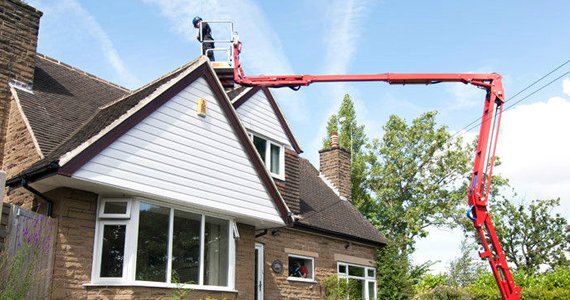


Burgess Hill's dynamic character as a rapidly expanding Mid Sussex commuter town with significant recent development, new suburban extensions, and mixture of older core properties creates assessment requirements unique to growing communities where property ages cluster heavily in specific development waves and newer construction shows distinctive patterns requiring specialist growing-town expertise. Assessment must address both established neighborhoods and rapid new-development areas.
We've assessed hundreds of Burgess Hill properties spanning multiple expansion phases with specialist understanding of growing-town development patterns, commuter-community property characteristics, and mid-Sussex expansion dynamics. This expertise means our roof survey accounts for Burgess Hill-specific factors—rapid-expansion development clustering, commuter-property aging patterns, contemporary new-build standards—that standard suburban assessments fail to address appropriately.
Burgess Hill's character comes from distinctive expanding-town environment where rapid growth, commuter-property clustering, and multiple development phases create assessment requirements unique to rapidly growing communities balancing established neighborhoods with aggressive new development.
Growing-town expertise: Burgess Hill expands rapidly with significant new-build clustering. Assessment recognizing expansion patterns and contemporary-construction standards helps identify growth-phase-specific characteristics and aging trajectories distinctive to newer properties.
Commuter-property perspective: Many Burgess Hill residents are London commuters prioritizing practical property care. Assessment serving commuter-community demographics must address efficiency-focused property-management questions and sustainable stewardship approaches.
1970s-1980s suburbs: Earlier expansion properties
1990s-2000s development: Mid-expansion estates
Contemporary new-build: Latest expansion properties
Commuter family homes: London-linked properties
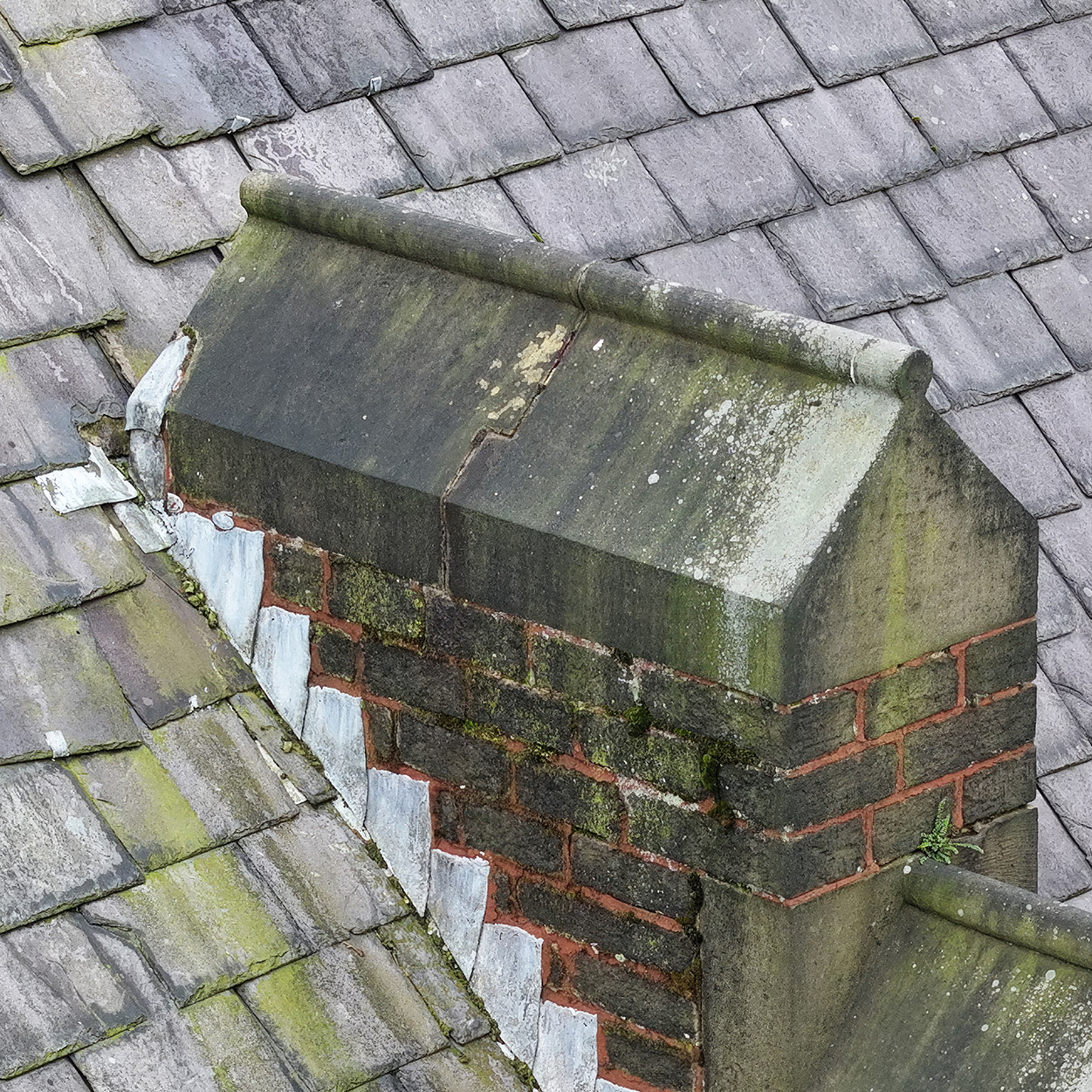
A contemporary new-build home in Burgess Hill's latest expansion area showed snagging concerns three years after purchase. Owner questioned whether modern construction quality was adequate for long-term investment. Generic assessment notes age and condition. Challenge: growing-town new-build assessment must recognize modern-construction standards and differentiate genuine defects from normal new-property settling patterns.
Standard assessment: Identifies 3-year-old condition, suggests monitoring. Generic approach treats all modern homes identically regardless of builder quality or contemporary-construction standards specific to current-era development.
Growing-town specialist assessment: Recognizes contemporary new-build patterns and modern-construction standards in Burgess Hill's expansion areas. Differentiates normal new-property settling from genuine builder-quality issues. Provides realistic assessment of long-term investment quality aligned with modern-construction reality. Assessment supports confident property stewardship aligned with contemporary-build standards.
Contemporary new-build shows characteristic patterns both positive and negative. Our assessment recognizes modern-construction standards and builder-quality patterns, helping you understand realistic expectations without unnecessary panic or dangerous complacency.
Different expansion phases show distinctive characteristics. Assessment recognizing development-era patterns helps you understand how your property's age-group compares and what aging patterns to expect.
Commuter properties experience different use patterns than full-time-residence homes. Assessment recognizing commuter-property dynamics helps identify practical maintenance aligned with your property-use pattern.
When neighborhoods cluster at similar development ages, shared wear patterns affect broader area maintenance needs. Assessment identifying development-phase characteristics helps understand neighborhood condition dynamics.
Contemporary construction brings specific maintenance requirements different from older homes. Our assessment provides realistic budgeting aligned with modern-home lifecycle rather than generic assumptions.
We cover all Burgess Hill areas in the RH15 postcode spanning from 1970s suburbs through latest contemporary development. Call for specific coverage and growing-town specialist availability.
1970s-1980s Suburbs: Earlier expansion areas
1990s-2000s Development: Mid-expansion estates
Contemporary New-Build: Latest development
Commuter Neighborhoods: London-linked properties
Postcode Coverage: RH15 (Burgess Hill), RH16, RH17
Haywards Heath • Cuckfield • Crawley • Horsham • East Grinstead
Roof surveys for Burgess Hill properties require specialist expertise understanding growing-town expansion patterns, contemporary-construction standards, and commuter-community property dynamics. We assess thoroughly, identify growth-phase characteristics, and recommend sustainable maintenance approaches.
For Burgess Hill property owners navigating growing-town reality, professional specialist assessment provides confident perspective aligned with community expansion context. Understanding your property's development phase and contemporary-construction characteristics guides practical stewardship. Exact quotes when you call—no surprises.
What matters: Professional assessment understanding Burgess Hill's distinctive growing-town character and expansion dynamics.
Whether managing an established 1980s property or contemporary new-build, with professional growing-town assessment understanding Burgess Hill's distinctive expansion character, we make roof inspections straightforward.
Call us now on 07833 053 749 for immediate assistance or to book your growing-town roof survey. We cover all Burgess Hill areas and are expansion-specialist property assessors.
