
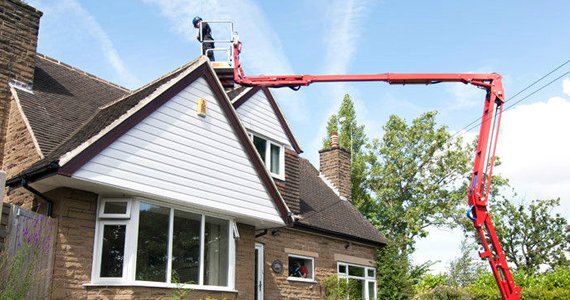
Merton's residential landscape reflects nearly 150 years of London's suburban development. The borough's oldest properties — Victorian villas and terraces in Merton Park built from the 1880s — feature original Welsh slate roofs, lead flashings, and ornate chimney stacks now entering critical maintenance phases. Inter-war development from the 1920s-1930s created the suburban semis with concrete tile roofs that characterise much of the borough, while post-war construction added further variety. Each era used different roofing materials and construction methods, and each is now reaching different stages of its maintenance lifecycle. A professional roof survey Merton inspection understands these distinctions and provides accurate assessment for your specific property type.
Merton's south London location on London clay creates specific challenges for all property types. Clay soil swells in wet weather and shrinks in dry periods, generating ground movement that cracks chimney stacks, opens gaps at flashings, and stresses roof structures — particularly at party walls between terraced and semi-detached properties. Merton's suburban character means many properties have mature gardens with significant tree cover, creating shade that promotes moss growth and leaf debris that blocks gutters and valleys. Higher rainfall than central London accelerates weathering of all roofing materials. These Merton-specific factors make a professional roof survey Merton assessment essential for understanding your roof's actual condition.
A standard survey says "roof in fair condition." What you actually need from a roof survey Merton specialist: Are those 1930s concrete tiles still weathertight or reaching end-of-life? Is Victorian slate delaminating beneath that moss layer? Are inter-war timber structures showing signs of stress? Has clay subsidence shifted the chimney stack?
Our Merton roof surveys answer these specific questions. We assess each property type with knowledge appropriate to its era, materials, and local conditions. Properties in nearby Wimbledon and Tooting share similar housing stock and face comparable challenges, though each area has distinct characteristics affecting roof condition.
For Merton homeowners: Understanding your roof's actual timeline — whether it has decades remaining or needs attention soon — prevents the surprise emergencies that turn routine maintenance into expensive crisis repair.
For landlords: Merton's strong rental market requires well-maintained properties. Professional roof survey documentation satisfies insurance, prevents tenant disputes, and supports strategic maintenance planning across your portfolio.
Nearby Areas with Similar Properties: Similar property types and aging patterns appear in nearby Colliers Wood and Raynes Park, where suburban and period properties face comparable maintenance challenges. Each area has distinct local characteristics, but all benefit from specialist assessment of their diverse roofing stock.
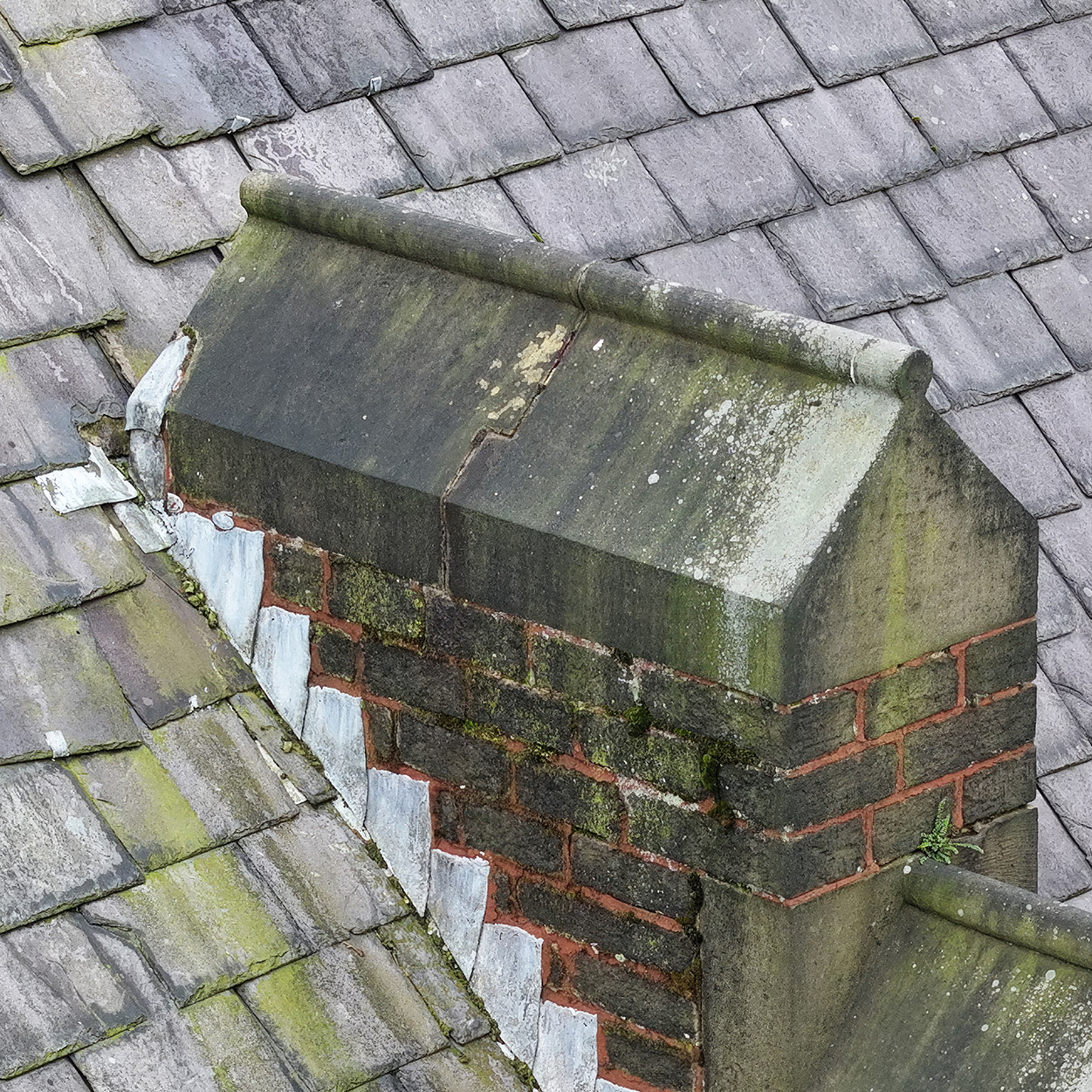
A family purchased a 1930s semi-detached house in Morden for £650K. The property had its original concrete tile roof, now 90+ years old. The purchase survey noted "roof showing expected wear, budget for maintenance in coming years." No specialist roof survey Merton inspection was commissioned.
Year 1: During heavy winter rain, a damp patch appears on the upstairs bedroom ceiling. The family assumes a slipped tile and calls a local roofer who replaces three cracked tiles and repoints the ridge. Cost: £400. Problem seems resolved.
Year 2: Damp returns in the same location plus a new area near the chimney. Another roofer patches more tiles and re-flashings the chimney with modern lead substitute. Cost: £800. But damp continues intermittently through wet weather.
Year 3: Water now penetrating in multiple locations across the roof. Emergency inspection reveals: the original 1930s concrete tiles have become porous throughout — they've exceeded their designed lifespan and can no longer shed water reliably. The underlying felt has perished. The timber battens show widespread decay from decades of moisture seepage. The chimney flashing repair was applied over deteriorated mortar that itself needed replacement. Complete re-roofing quote: £12,000-£16,000 including new tiles, felt, battens, and chimney work.
What a Professional Roof Survey Merton Assessment Would Have Shown Before Purchase: "This 1930s semi-detached has original concrete tiles now approximately 90 years old — exceeding the typical 70-80 year design life for this material. Tile absorption testing indicates porous condition throughout. Underlying felt is brittle and failing. Battens show moisture damage consistent with long-term tile porosity. This roof requires complete replacement within 1-2 years. Budget £10,000-£14,000. Individual tile repairs will not resolve the systemic age-related failure."
The Pattern: Merton's substantial stock of inter-war properties (1920s-1930s) all have concrete tile roofs now reaching or exceeding their designed lifespan simultaneously. Individual tile replacement and patching cannot fix age-related porosity — the entire covering needs replacing. Owners spend years patching before discovering the fundamental issue. Professional roof survey Merton assessment identifies systemic end-of-life condition immediately, preventing years of wasted repair spending.
The Lesson: For inter-war Merton properties, professional assessment distinguishes between fixable localised damage and systemic end-of-life deterioration. This distinction saves homeowners years of ineffective patching and lets them plan proper replacement at the right time.


Professional roof surveys demand both certification and knowledge of diverse property types. We combine RICS-registered surveyor qualifications with years specializing in London's varied housing stock. This means we understand roofing principles AND how they apply to Merton's range of properties — whether Victorian Merton Park villas, inter-war suburban semis, or post-war developments requiring specialist roof survey Merton expertise.
Roof surveys for Merton properties provide excellent value. We assess condition thoroughly, distinguish between fixable damage and systemic age-related failure, and provide documentation suitable for insurance and planning purposes.
The cost of a professional roof survey Merton assessment is minimal compared to years of ineffective patching on a roof that needs replacement, or discovering Victorian slate failure through water damage to valuable interiors. Early identification consistently saves Merton property owners money.
We provide exact quotes when you call — pricing varies based on property size and type. Victorian villas and inter-war semis have different assessment requirements. No surprises, no hidden fees.
Leaks, damp, or deterioration need specialist assessment. We identify whether issues are localised damage (fixable) or systemic end-of-life failure (needs replacement) — a critical distinction that saves Merton property owners from years of ineffective patching.
Standard surveys rarely assess roofs in sufficient detail. For 1930s properties especially, understanding whether the roof has years remaining or needs imminent replacement can affect your purchase price by £10,000+. Our roof survey Merton assessments provide that clarity.
Merton's rental market requires well-maintained properties. Professional documentation satisfies insurance and provides maintenance planning evidence across portfolios with mixed-age properties.
If your Merton property was built between 1920-1940, its concrete tile roof may be approaching or exceeding its designed lifespan. Professional assessment determines whether tiles are still performing or have become porous — the difference between continued maintenance and planned replacement.
Merton's London clay creates active subsidence risk. If you've noticed chimney cracking, wall movement, or door alignment changes, professional roof survey assessment determines whether ground movement is affecting your roof structure.
Knowing your roof's actual condition and maintenance timeline lets you plan with confidence. Our specialist roof survey Merton assessment provides honest, detailed evaluation.
Our Merton roof surveys assess tile/slate condition (including porosity testing for concrete tiles), lead flashings, chimney stacks, structural timber, felt/underlay condition, water management, signs of subsidence, and estimated remaining lifespan. We provide era-appropriate assessment for Victorian, inter-war, and post-war properties.
Very detailed. Reports include photographic documentation, condition ratings, specific problem identification, maintenance timelines, and prioritised recommendations. We clearly distinguish between fixable localised issues and systemic age-related problems requiring comprehensive action.
We serve all Merton including Merton Park, South Wimbledon, Morden, Mitcham, and all SM4/SW19/SW20 postcodes. We regularly assess properties throughout Merton and nearby areas including Wimbledon, Tooting, Colliers Wood, and Raynes Park.
Most Merton residential roof surveys take 2-3 hours on-site. We provide a detailed written report within 48 hours, including photographs and specific recommendations appropriate to your property type.
Yes. This is one of our most valuable assessments for Merton properties. We distinguish between roofs that need localised repair and those that have reached end-of-life requiring comprehensive replacement — saving homeowners from years of ineffective patching.
Roof survey cost depends on property size and type. We provide exact quotes before booking — call with details about your Merton property for a clear price with no surprises.
Merton's property market spans a wide range, from the Victorian villas of Merton Park (£700K-£1.5M+) to inter-war suburban semis in Morden and Mitcham (£400K-£700K) to more affordable post-war properties. This diversity means the borough contains properties with virtually every type of roofing material and construction method used in London over the past 140 years. Each requires different assessment expertise and presents different maintenance challenges, making specialist roof survey Merton knowledge essential for accurate property evaluation.
The borough sits on London clay, creating subsidence risk throughout. Clay movement is particularly active in areas with mature trees — and Merton's suburban character means gardens and street trees are common. Victorian properties in Merton Park face the specific challenge of original slate and lead work reaching critical age, while 1930s properties across Morden face the systemic challenge of concrete tile roofs exceeding designed lifespan. Post-war properties have their own issues with flat roof sections, modern material degradation, and varied construction quality. A professional roof survey Merton assessment understands these era-specific challenges.
Merton attracts first-time buyers, growing families, and investors drawn by its combination of relatively accessible prices and good transport links. All benefit from understanding their property's roof condition — whether it's a first purchase requiring pre-completion assessment, a family home needing maintenance planning, or an investment property requiring insurance documentation. The borough's range of property ages means no single assessment approach works for all Merton homes — specialist knowledge of each era's construction and materials is essential.
Merton Park, South Wimbledon, Morden, Mitcham, Colliers Wood border, Raynes Park border, Morden Park, St Helier, Phipps Bridge
Wimbledon, Tooting, Colliers Wood, Raynes Park, Sutton, Croydon
SM4 (Merton/Morden), SW19 (South Wimbledon), SW20 (Raynes Park border), CR4 (Mitcham)
Whether you own a Victorian villa in Merton Park, a 1930s semi in Morden, or manage rental properties across the borough, professional roof survey Merton assessment gives you the clarity you need. Age-related tile failure, hidden slate deterioration, subsidence damage — these are the costs of not knowing your roof's true condition.
A specialist roof survey provides precise answers: whether your roof needs localised repair or comprehensive replacement, how many years of service remain, and what maintenance timeline you should plan. Not generic observations. Specific, actionable intelligence about YOUR Merton property.
Call 07833 053 749 now for immediate assessment. We typically complete Merton roof surveys within 2-3 hours. Detailed report with maintenance recommendations provided within 48 hours. Same-day service often available.
