
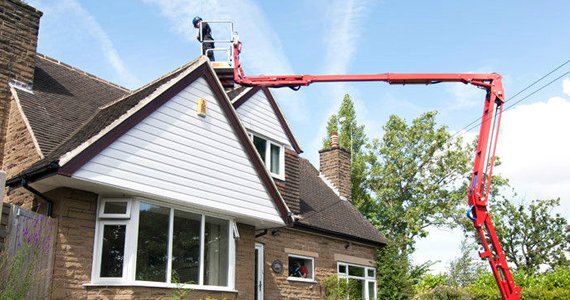


Egham Hythe is a picturesque riverside village where the Thames defines character and creates specific environmental challenges. Beautiful riverside setting brings special requirements for roof assessment understanding waterside moisture, humidity, and water management. Properties here require assessment expertise accounting for Thames-adjacent conditions.
We've assessed hundreds of Egham Hythe roofs across riverside and village properties. We understand how Thames proximity affects roof aging. We recognize water management challenges specific to riverside locations. We know proper ventilation requirements for high-humidity environments. This expertise means our assessment accounts for riverside-specific factors that standard surveys completely miss.
Egham Hythe's charm comes from Thames riverside location. This creates specific roof challenges different from inland properties. Water management, humidity levels, and environmental exposure all differ significantly from standard suburban homes.
Water management: Gutters and drainage must handle not just rainfall but moisture from proximity to water. Complete system assessment is essential.
Humidity: Sustained higher humidity near the Thames accelerates wear. Proper ventilation is crucial. We assess whether your roof is properly ventilated.
Moisture risk: Riverside properties face specific moisture challenges. Understanding how water infiltration affects structure is essential for planning.
Riverside cottages: Historic charm with specific water management needs
Modern riverside homes: Contemporary construction in high-humidity environment
Village properties: Mix of period and modern reflecting community's heritage
Flood-risk considerations: Some properties face flood risk requiring special assessment
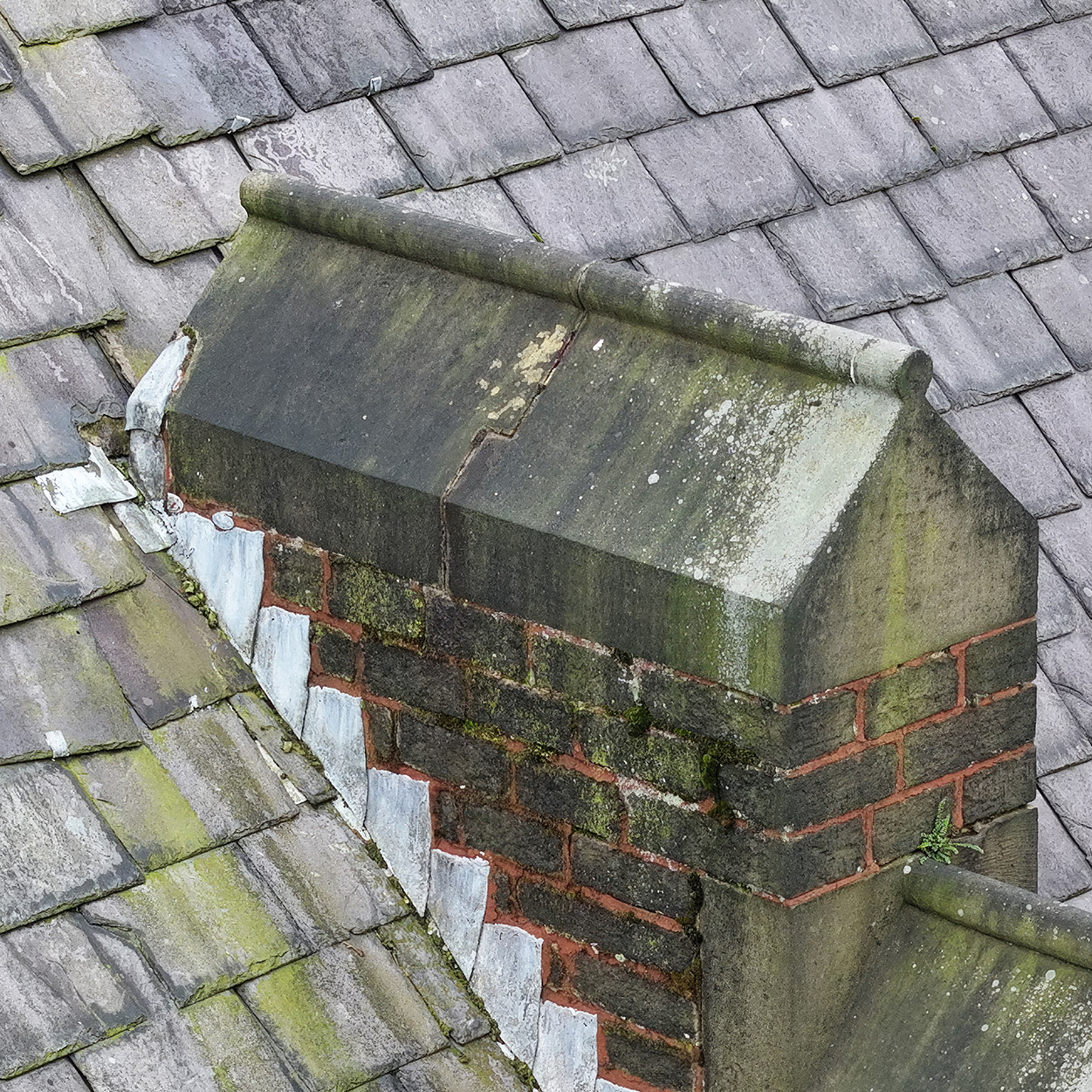
An owner of a charming riverside cottage in Egham Hythe loved the Thames views. Didn't realize humidity was accelerating roof deterioration.
Year 1: Notices musty smells upstairs. Assumes cottage character. Opens windows more.
Year 2: Damp patches appear. Gets local roofer—"might need gutters cleared." Does that. Problem persists.
Year 3: Professional assessment reveals: Thames proximity creating sustained high humidity. Roof ventilation inadequate. Underlying structure accumulating moisture. Urgent repairs needed.
What Professional Assessment Year 1 Would Have Identified: "Riverside location creating high humidity. Current ventilation insufficient. Underlying moisture accumulating. Plan comprehensive assessment and ventilation improvements within 12 months."
The Pattern: Egham Hythe riverside properties show this repeatedly. Thames proximity accelerates deterioration when not professionally managed.
Significantly. Higher humidity, water proximity, and specific environmental exposure affect aging differently than inland properties. Our Egham Hythe assessment specifically evaluates humidity impact, ventilation adequacy, and water management.
For flood-risk properties, professional roof assessment provides insurance documentation and helps understand how water exposure affects structure. We address these concerns specifically for riverside properties.
Most surveys take 2-3 hours. Riverside properties may require additional humidity and water management assessment. We provide detailed written reports within 48 hours with photographs.
Absolutely. Riverside-specific challenges require specialist assessment. Understanding humidity levels, water management, and ventilation adequacy is essential for riverside property ownership.
Yes. Insurance companies require roof condition documentation, especially for flood-risk riverside properties. Our detailed reports provide exactly what insurance needs.
We serve all Egham Hythe including riverside, village, and surrounding areas. We regularly assess properties throughout TW20 and understand Thames-adjacent challenges.
Riverside location creates specific challenges. Professional assessment understands Thames proximity, humidity, water management, and riverside-specific aging.
Moisture issues in riverside properties need specialist diagnosis. Professional assessment determines whether problems are roof-related or broader environmental factors.
Professional assessment and documentation help with insurance and planning. Understanding roof condition in flood-risk context matters for comprehensive property knowledge.
Before settling in, understand riverside-specific roof challenges and what maintenance timeline you're looking at. Standard surveys miss critical riverside details.
Before starting work, understand roof condition and any flood-risk or water management considerations. Prevents mid-project surprises.
Insurance documentation requires professional assessment. We provide reports insurance companies need for riverside properties.
Roof surveys for Egham Hythe properties cost less than expected for the value. We assess condition thoroughly, identify problems before they become emergencies, and provide documentation for insurance.
For riverside properties, professional assessment is especially valuable for insurance purposes and understanding Thames-specific challenges. We provide exact quotes when you call—no surprises.
What matters: Professional assessment understanding Egham Hythe's riverside environment.
Egham Hythe is prized for its riverside Thames location. Properties here offer character, views, and a special environment. This comes with specific maintenance requirements that differ from inland properties. Understanding how your Thames-adjacent location affects roof performance is essential for planning.
Riverside properties require specialist assessment understanding humidity, water management, ventilation, and how proximity to water affects aging. Professional expertise distinguishes normal riverside aging from problems requiring attention.
Whether you're in a historic riverside cottage or modern home, understanding your roof in Egham Hythe's specific riverside context is crucial for confident property ownership.
Riverside Properties: Thames-adjacent homes and cottages
Village Areas: Established residential locations
Postcode Coverage: TW20 (Egham Hythe), TW18, TW19
Don't let roof uncertainty disrupt your Egham Hythe riverside property. With professional assessment understanding Thames-adjacent challenges, we make roof inspections stress-free.
Call us now on 07833 053 749 for immediate assistance or to book your roof survey. We cover all Egham Hythe areas.
