
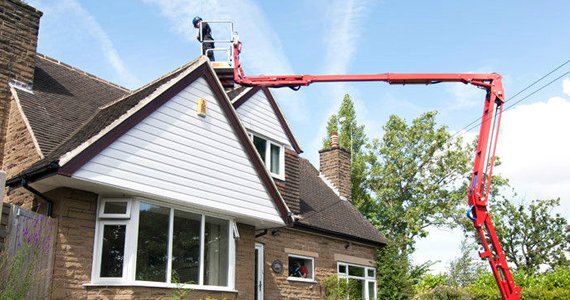
Tell us about your property — Georgian cottage on the High Street, period home near the church, Victorian house, 20th-century family home, converted agricultural building, or property at Halland. Fixed price from £195. No vague estimates.
Our specialist assesses every element — handmade clay tile and slate condition, lead flashings and valleys, chimney stack mortar, ridge and hip tiles, timber structure, ventilation, gutter condition, and the specific effects of Wealden clay ground movement and rural exposure on your property.
Full written report with photographs, condition ratings, remaining lifespan estimates, and a prioritised action list with budget figures. For period properties, heritage-appropriate material specifications are included where needed.
East Hoathly is a small Wealden village four miles south-east of Uckfield, clustered around the junction of roads in the centre of the parish. The name may derive from the Old English hāp-lēah — a heather-covered clearing in the forest — and the settlement has existed since at least medieval times, with its church featuring a distinctive Pelham tower donated by the locally powerful Pelham family. The parish includes the hamlet of Halland to the west, and the village is perhaps best known as the home of Thomas Turner, the 18th-century shopkeeper whose remarkable diary (1754-1765) provides one of England’s most vivid accounts of Georgian village life. Listed buildings include the Grade II village store (Georgian, c.1719) and The King’s Head, a former school from 1605 that became a pub in the 1760s. A roof survey East Hoathly assessment from £195 provides the Wealden expertise these village properties demand.
East Hoathly sits on heavy Wealden clay between the rolling High Weald to the north and east and the South Downs to the south. This clay is among the most shrinkable in southern England — expanding significantly in wet winters and contracting in dry summers. The seasonal cycle progressively displaces chimney stacks, opens ridge mortar joints, and fatigues lead flashings over decades. The village’s rural setting brings additional challenges: mature trees in gardens and surrounding woodland extract moisture from the clay (accelerating shrinkage), sheltered positions between buildings and hedgerows prevent roof surfaces from drying (accelerating moss and moisture damage), and the mixed agricultural landscape means some properties face open exposure while others are heavily sheltered. Each creates different deterioration patterns that a roof survey East Hoathly specialist must distinguish.
In a small village, property maintenance often relies on whoever is locally available rather than on specialists. Period cottages may have accumulated decades of well-intentioned but inappropriate repairs — cement mortar on lime mortar buildings, machine-made tiles mixed with handmade originals, modern sealants over traditional lead work. Each creates a junction where different materials behave differently, and water finds these junctions. A £195 roof survey identifies every layer of previous work and assesses whether it is helping or harming the building.
For homeowners: A £195 roof survey reveals how Wealden clay movement and previous repair quality are affecting your East Hoathly property right now.
For buyers: Before committing £350K-£800K+ on an East Hoathly village home, a £195 roof survey reveals whether the characterful exterior conceals accumulated inappropriate repairs and clay-related structural movement.
Nearby Areas: We also cover Uckfield, Hailsham, Lewes, Heathfield, and Chiddingly.
A couple purchased a Georgian cottage near the village centre for £485K, drawn by the period character, village setting, and proximity to the King’s Head. The purchase survey noted “charming period property, roof showing normal wear for age.” No specialist roof survey East Hoathly assessment was commissioned.
Year 1: Damp appears in the back bedroom during persistent autumn rain. Local handyman replaces several tiles and clears moss. Cost: £300. Uses machine-made tiles from the builders’ merchant because they’re cheaper and quicker than sourcing handmade clay tiles.
Year 2: Damp returns in a different location. Chimney mortar cracks and stains appear on the bedroom wall below the stack. Ridge tiles loosen on the north slope. Different roofer repoints chimney with cement mortar and re-beds ridges. Cost: £750. Nobody connects the chimney movement to the mature ash tree ten feet from the house.
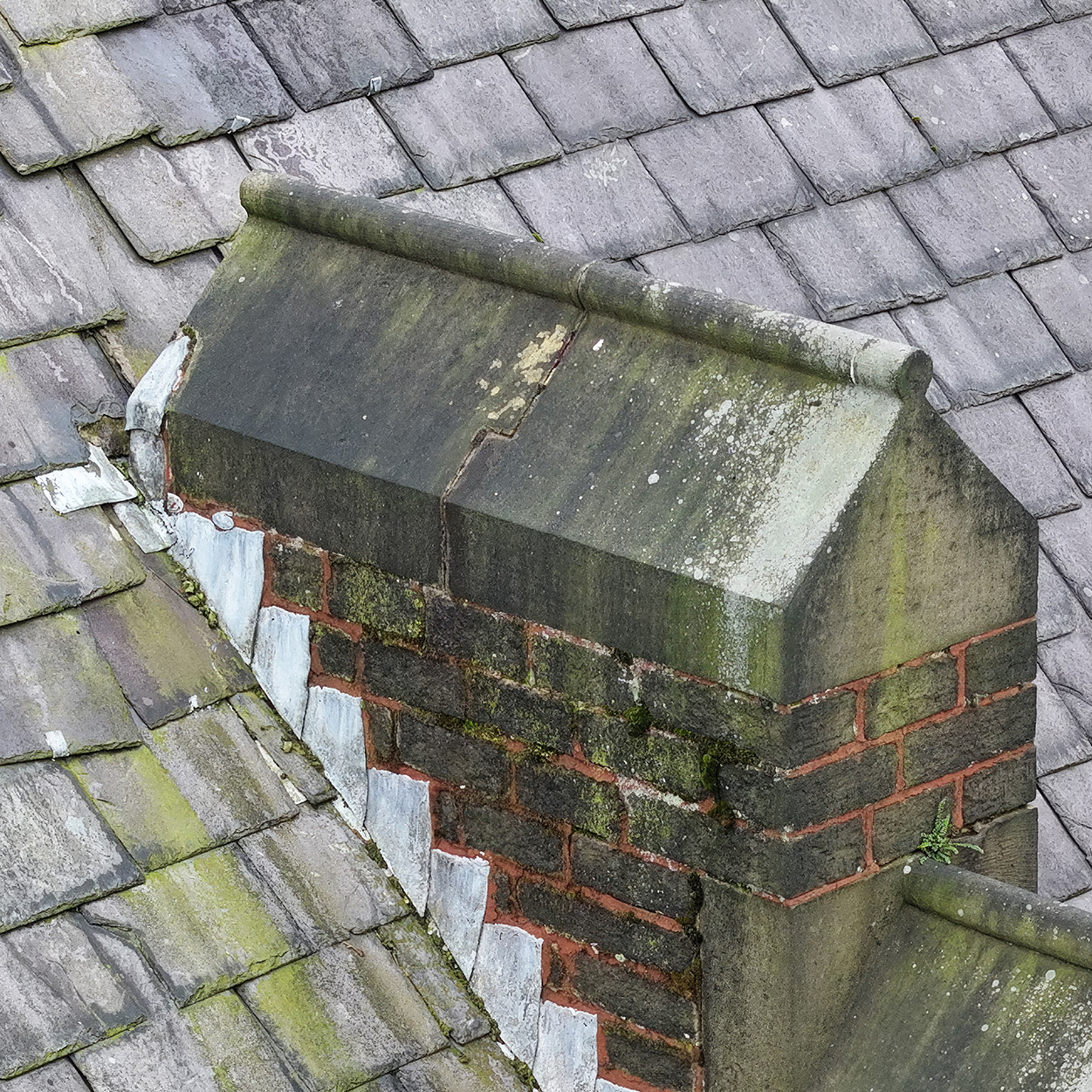
Year 3: Specialist investigation reveals: mature ash tree is extracting moisture from Wealden clay, causing seasonal ground shrinkage that has progressively tilted the chimney stack. Cement mortar applied in Year 2 is harder than the original lime mortar and is cracking the surrounding soft brickwork. Machine-made replacement tiles from Year 1 sit differently from the original handmade tiles, creating water entry points at every junction. Lead flashings fatigued by repeated chimney movement. Three layers of incompatible repairs are now actively damaging the building. Comprehensive remediation: £14,000-£18,000.
What a £195 Roof Survey Would Have Shown Before Purchase: “This Georgian cottage shows chimney stack displacement consistent with clay shrinkage from the mature ash tree. Previous repairs include machine-made tiles incompatible with original handmade clay tiles, creating junction failure points. Ridge mortar eroded on north slope. Lead flashings showing fatigue at chimney junction. Budget £8,000-£12,000 for phased remediation using matching handmade tiles, lime mortar, and tree management plan.”
The Lesson: In a small village, period properties accumulate layers of convenient but inappropriate repairs. Each layer creates new failure points. A £195 roof survey identifies every layer and determines whether previous work is protecting or damaging your building.


Professional roof surveys in East Hoathly require understanding of how heavy Wealden clay creates seasonal ground movement, how period village properties accumulate layers of repair over centuries, and how the rural setting combines tree-related subsidence with sheltered dampness and open exposure depending on exact position. We combine RICS-registered qualifications with specialist knowledge of Wealden geology, traditional building materials, and the specific challenges of maintaining period properties in small Sussex villages.
From Georgian cottages in the village centre to period homes near the church to family houses at Halland and throughout the parish, professional roof survey East Hoathly assessment from £195 provides Wealden-specific intelligence. We assess handmade clay tile condition, previous repair quality and compatibility, chimney stability on shrinkable clay, lead flashing fatigue, timber structure, and the cumulative effects of decades of village maintenance.
Exact quotes from £195 when you call. No surprises. Most East Hoathly residential surveys from £195.
Wealden clay is among the most shrinkable soils in southern England. Dry summers cause significant contraction, wet winters cause expansion. This cycle progressively tilts chimney stacks, opens ridge lines, and fatigues flashings. Mature trees accelerate the process dramatically. Our £195 surveys connect roof symptoms to their geological cause.
Often, yes. Machine-made tiles have different profiles, thicknesses, and weathering characteristics from handmade originals. At every junction between old and new, water can find a path. For listed buildings, inappropriate materials may also trigger enforcement. Our surveys identify every instance of material mismatch.
All East Hoathly and Halland, plus Uckfield, Hailsham, Lewes, and Heathfield.
Typically 1.5-2.5 hours on-site. Report within 48 hours.
From £195 for standard residential properties. Call 07833 053 749 for an immediate exact quote.
Absolutely. We cover the entire parish including scattered farmhouses, converted agricultural buildings, and isolated properties along rural lanes. The same Wealden clay challenges apply — often more so where mature hedgerow trees and woodland create additional shade and moisture retention.
East Hoathly offers quintessential Sussex village life with practical accessibility. The A22 runs nearby providing routes to Uckfield (4 miles north), Hailsham, and Eastbourne. Uckfield station provides hourly Southern services to London Bridge (approximately 75 minutes) via East Croydon. The village has a well-stocked stores, The King’s Head pub with its 1648 Brewery, a church, and an active community. Between the High Weald and the South Downs, the surrounding countryside is outstanding. Properties range from £250K for smaller homes to £350-500K for village cottages and family houses to £500-800K+ for larger period properties and rural homes with land.
At these values, a £195 roof survey East Hoathly assessment is essential. Understanding whether inappropriate previous repairs are actively damaging a period cottage saves thousands in escalating remediation.
High Street, village centre, Church area, South Street, Halland, surrounding rural lanes and farmsteads
Chiddingly, Framfield, Uckfield, Hailsham, Lewes, Heathfield, Laughton, Ripe
BN8 (East Hoathly, Halland), BN27 (Hailsham border)
Whether you own a Georgian cottage in the village centre, a period home near the church, or a family house at Halland, professional roof survey assessment from £195 reveals how Wealden clay movement, previous repair quality, and rural exposure combine to affect your property. In a village where period buildings have accumulated layers of maintenance over centuries, understanding what’s helping and what’s harming your roof prevents expensive escalation.
Call 07833 053 749 now. Roof survey East Hoathly from £195. Report within 48 hours.
