
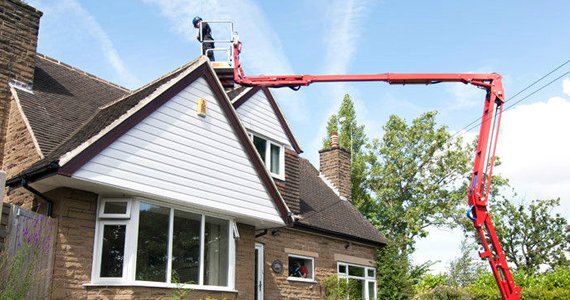


East Ewell is a thriving suburban community where rapid housing expansion over the past 50+ years created diverse property stock at different maintenance cycles. From 1960s semis now entering critical maintenance years to modern developments, East Ewell properties require assessment understanding age-specific challenges and rapid growth patterns.
We've assessed hundreds of East Ewell roofs across all eras and types. We understand how 1950s-1970s housing stock ages into peak maintenance phases. We recognize that rapid development created mixed-quality construction. We know modern standards versus older building practices. This expertise means our assessment accounts for age-cohort challenges relevant to your specific property.
East Ewell's growth from village to suburban community happened rapidly post-1950. This created property cohorts at different aging stages. Understanding when your property was built and what maintenance cycle you're entering is crucial for planning.
1950s-1960s properties: Now 60+ years old. Many originally built with 40-year roofing design. Now well past original specifications. Understanding urgency is essential.
1970s-1980s developments: Now 40-50 years old. Entering or in peak maintenance years. Properties showing age-appropriate wear.
Modern developments: Contemporary materials with different aging patterns. Different maintenance expectations.
Rapid development quality variation: Housing built rapidly sometimes shows quality variation. Some properties better constructed than others.
Original material expectations: Original roofing materials in 1950s-1960s homes now well past designed lifespan.
Maintenance backlog: Busy suburban families sometimes neglect maintenance until problems become urgent.
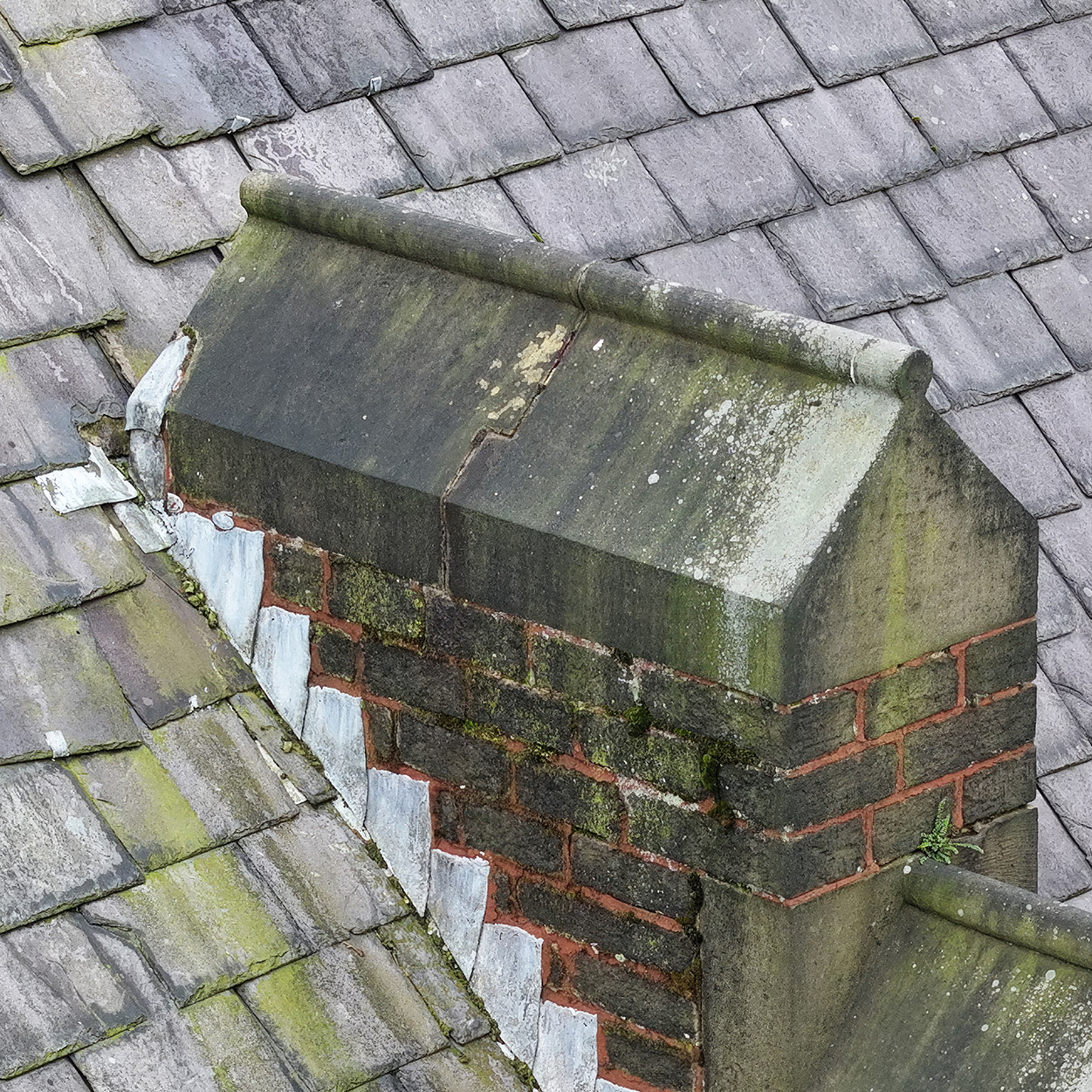
An owner of a 1960s semi in East Ewell bought the "solid family home" without realizing the roof was 60+ years old and well past original specifications.
Year 1: Roof looks weathered but "solid." Hasn't had major work. Assumes roof has years left.
Year 2: Minor leaks appear during heavy rain. Gets roofer to patch. Problem temporary, assumes fixed.
Year 3: Professional assessment reveals: Original 1960s roof materials now 60 years old, well beyond design lifespan. Deteriorating rapidly. Underlying structure showing moisture damage. Major repair or replacement needed within 12 months before catastrophic failure.
What Professional Assessment Year 1 Would Have Identified: "1960s original roof now 60 years old, well past 40-year design life. Materials deteriorating. Plan for replacement or comprehensive repair within 12-18 months."
The Pattern: East Ewell's aging housing stock shows this pattern. Properties built 1950s-1960s are experiencing peak maintenance phase. Early professional assessment prevents emergency repairs.
Roof surveys for East Ewell properties cost less than expected for the clarity provided. We assess condition thoroughly, identify problems before they become emergencies, and provide documentation for insurance.
For aging housing stock, professional assessment is especially valuable for understanding maintenance timeline and planning budgets. We provide exact quotes when you call—no surprises.
What matters: Professional assessment understanding East Ewell's housing stock age cohorts and their specific maintenance needs.
Original roofing from the 1960s is typically designed for 40-year lifespan. A 60-year-old roof is well past specifications. Professional assessment identifies actual condition and realistic timeline for replacement or repair.
Professional assessment determines condition and provides realistic timeline. For aging roofs, this is essential for planning. We're honest about what materials can sustain versus what needs urgent attention.
Most surveys take 2-3 hours on-site. We provide detailed written reports within 48 hours with photographs and prioritized recommendations. You get clear answers about your roof's actual condition.
Our surveys assess roof covering condition, structural integrity, flashings, gutters, water management, damage signs, maintenance requirements, and estimated lifespan. For aging properties, we specifically address what materials are reaching end-of-life.
Yes. Insurance companies require roof condition documentation, especially for properties past standard design lifespan. Our reports provide exactly what insurance companies need.
We serve all East Ewell including all residential neighborhoods and development eras. We regularly assess properties throughout SM2 and nearby postcodes.
If your roof is original or near-original, it's well past design specifications. Understanding actual condition and realistic timeline is crucial for planning.
Leaks in aging roofs indicate deterioration. Professional assessment determines whether repairs can extend lifespan or if replacement is imminent.
Before settling in, understand your roof's actual condition and what maintenance timeline you're looking at. Don't assume age or appearance tell the real story.
Understanding roof condition before starting other improvements prevents discovering urgent roof work mid-project. Professional assessment clarifies priorities.
Professional roof assessment documentation helps with property sale. Buyers want clarity about roof condition. We provide the documentation that supports transactions.
Insurance documentation and tenant management require professional assessment. We provide the reports insurance companies require.
East Ewell's character comes from its transformation from village to suburban community. Housing built during rapid 1950s-1970s expansion created a community where many properties are now entering or in peak maintenance phases. Understanding what stage your specific property is at matters greatly for planning.
Properties built 60+ years ago are experiencing normal aging. This doesn't mean crisis, but it does mean understanding actual condition and realistic timeline is essential for confident ownership. Professional assessment removes guesswork and provides clarity.
Whether your property is vintage East Ewell or newer development, understanding how your roof's specific age and condition affects your property planning and budgeting is crucial for informed decisions.
All Neighborhoods: 1950s-60s semis, modern developments
Residential Communities: All housing types and eras
Postcode Coverage: SM2 (East Ewell), KT18, KT19
Don't let roof uncertainty disrupt your East Ewell property. With professional assessment understanding suburban housing stock and detailed reporting, we make roof inspections stress-free.
Call us now on 07833 053 749 for immediate assistance or to book your roof survey. We cover all East Ewell areas.
