
Tell us about your property — New Town semi, ex-council terrace, maisonette, any concerns. We give you a fixed price on the phone. No vague estimates, no hidden fees.
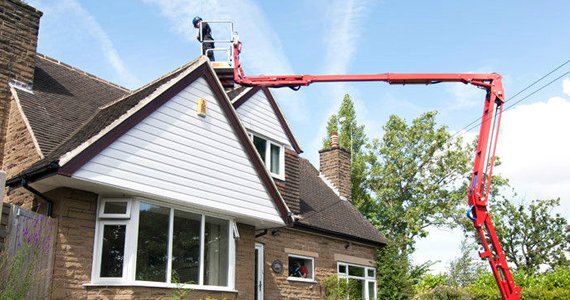
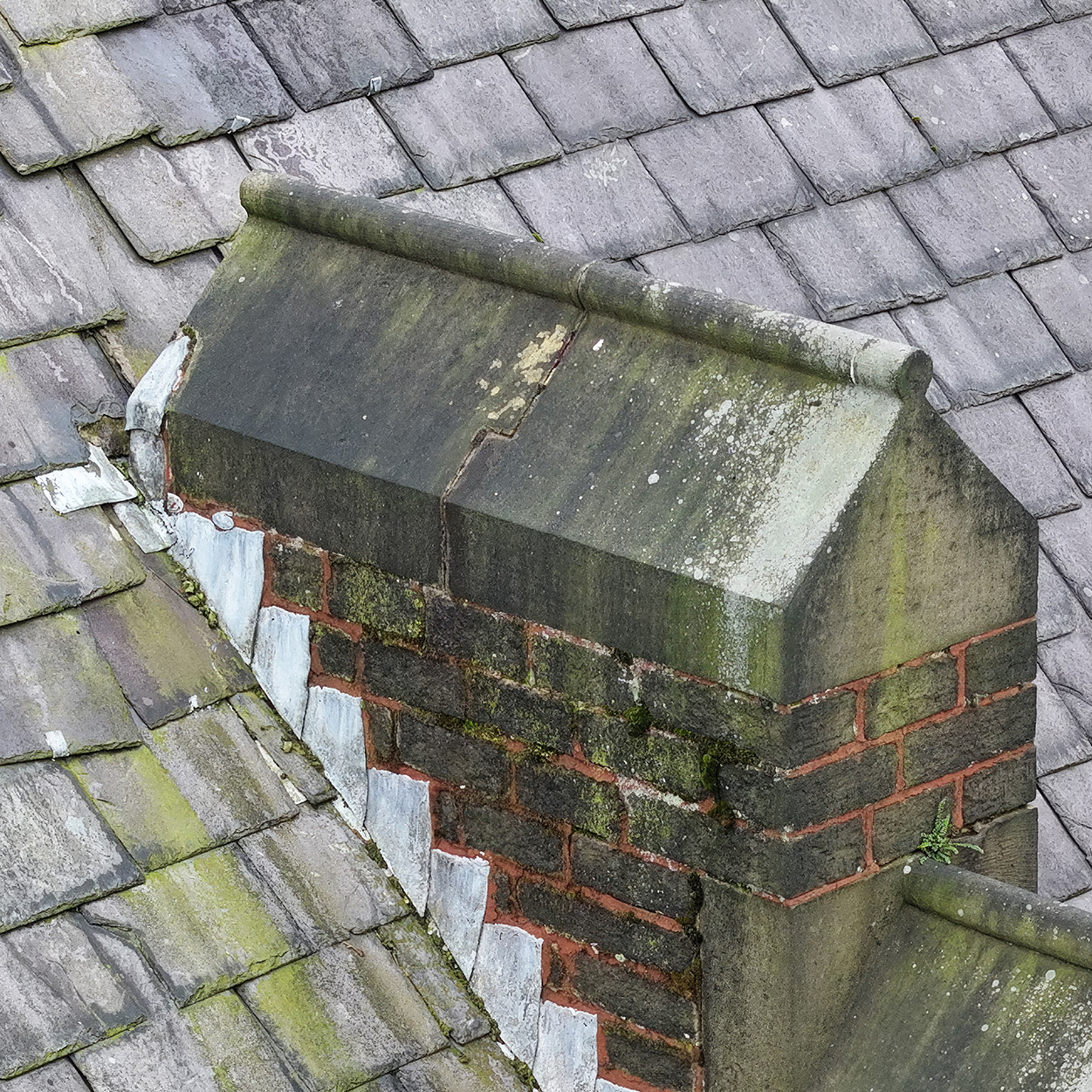
Our specialist surveyor assesses every element on-site — concrete tile covering, ridge lines, chimney stacks, flashings, gutters, flat roof sections. We test tile porosity on older roofs. Typically 2-3 hours.
Full written report with photographs, condition ratings, remaining lifespan estimates, and a prioritised action list with budget figures. Clear answers, not surveyor jargon.


Basildon was designated a New Town in 1949 and the vast majority of its housing was built between the early 1950s and mid-1970s. That means thousands of properties across Fryerns, Barstable, Laindon, Kingswood, Lee Chapel, Vange and Pitsea all carry concrete interlocking tile roofs installed within a 25-year window — and those tiles are now 50-75 years old, all reaching end of design life at roughly the same time. This is a borough-wide aging crisis that standard surveyors don't understand because they're not thinking in terms of New Town construction timelines.
Drive through any Basildon estate — Cattawade Link in Fryerns, Broomfields in Pitsea, Codenham Green in Kingswood, School Avenue in Laindon — and you see the same pattern repeated: two and three-bedroom semis and terraces built during the New Town expansion with concrete interlocking tile roofs. Redland 49s, Marley Moderns, Marley Ludlows — the standard concrete tiles of their era. They were designed for a 40-60 year lifespan. Most have now exceeded it.
What happens when concrete tiles reach end of life isn't dramatic — it's gradual and invisible. The tiles become porous, absorbing water during rain instead of shedding it. The extra weight stresses battens. Nib fixings become brittle and snap, leaving tiles held by friction alone. The original felt underlay disintegrates. From the ground, the roof looks much the same. From inside the loft, the timbers are getting damp.
Basildon has some pre-New Town housing too. Parts of Laindon and Pitsea had existing 1920s-1930s properties before the New Town designation — these carry clay tiles or early concrete tiles now approaching 100 years old. Langdon Hills has larger detached properties with more complex roof geometries. The 1980s onwards brought newer estates and private developments with modern materials. But the overwhelming majority of Basildon's housing stock is that 1950s-1970s New Town construction, and that's what's failing now.
The flat, low-lying Essex terrain means wind-driven rain from the east and north-east hits Basildon roofs hard. There's no sheltering hills or dense urban fabric to break the weather. The London clay substrate creates seasonal shrink-swell that can shift foundations slightly — enough to crack ridge mortar and open gaps at flashings over decades. These aren't dramatic problems, but they compound the age-related tile deterioration that's already underway.
A standard surveyor looks at a Basildon New Town semi and writes "concrete tile roof showing age-related wear, plan maintenance." That tells you nothing. What you actually need to know: Have the tiles become porous? Are nib fixings intact or brittle? Has the felt underlay disintegrated? Are the battens still sound or showing wet rot from slow moisture penetration? Is a patch repair sensible or is the whole roof approaching systemic failure? We test tile porosity, assess batten condition through sample areas, and give you a clear, honest answer about remaining lifespan — not a vague maintenance recommendation.
A young couple bought a three-bedroom New Town semi near Cattawade Link in Fryerns. Built 1963, concrete interlocking tile roof, single chimney stack, lean-to side extension with flat felt roof. Standard for the estate. Mortgage valuation: "roof covering showing normal wear for age, no urgent work identified."
Year 1: A few slipped tiles after a windy night. Roofer pushes them back and replaces two cracked ones. £150. Says the roof "looks alright for its age." No testing done.
Year 2: Damp patch appears in the back bedroom ceiling after sustained autumn rain. Another roofer re-beds some ridge tiles and replaces flashing around the chimney. £680. Mentions the tiles feel "a bit soft" but says it's normal on older concrete tiles. Damp dries out.
Year 3: After a wet winter with persistent easterly rain, damp patches in three rooms. Water staining visible in loft on multiple timbers. Emergency assessment reveals: concrete tiles have become highly porous across both roof slopes — absorbing water during any sustained rainfall. Original felt underlay completely perished. Timber battens showing wet rot across 40% of the roof from years of slow moisture penetration. Nib fixings brittle on south and east slopes — tiles held by gravity alone. Complete strip and re-roof: £8,500 for new concrete tiles, felt, battens, ridge tiles, plus £1,200 for flat roof replacement on side extension, plus £1,800 for chimney re-pointing and new flashings, plus £1,500 for timber treatment and damp remediation. Total: £13,000.
What a Professional Roof Survey Would Have Found Before Purchase: "1963 concrete interlocking tile roof with tiles showing advanced porosity — moisture absorption well above acceptable levels. Felt underlay perished. Battens showing early wet rot in sample areas. Nib fixings brittle on exposed slopes. This is systemic end-of-life deterioration, not individual tile failure. Budget £7,500-£9,500 for complete re-roof within 12-18 months. Flat roof extension past design life — budget £1,000-£1,500 for replacement."
The Pattern Across Basildon: Thousands of New Town properties on estates across Fryerns, Barstable, Laindon, Kingswood, Lee Chapel and Pitsea were built within the same 25-year window using the same concrete tiles. They're all reaching end of life simultaneously. Owners patch individual tiles without realising the entire roof system has become porous. By the time damp appears inside, the battens are already damaged and the repair bill is thousands more than a planned re-roof would have cost.
A Basildon roof survey starts from £195. A standard New Town semi or terrace is at the lower end. A larger property with complex roof geometry, multiple flat roof sections, or dormer conversions costs more. We give you an exact price when you call — no vague estimates.
Consider what a full re-roof costs on a Basildon New Town semi: £7,500-£12,000 depending on size and access. Add £1,500-£3,000 for timber damage if water has been getting in undetected. A survey from £195 that catches the problem before internal damage develops isn't a cost — it's the cheapest financial protection available for a Basildon property owner.
For landlords with multiple Basildon properties, a survey programme across your portfolio identifies which roofs need immediate attention and which have years remaining. That intelligence transforms reactive emergency spending into planned, budgeted maintenance.
Basildon's affordable housing attracts first-time buyers and investors. But a mortgage valuation won't test whether those 1960s concrete tiles are still weatherproof or have become porous sponges. Before you commit, understand whether you're buying a house that needs a new roof within two years.
Many Basildon homeowners bought their council property through Right to Buy. The roof becomes your responsibility, and these New Town roofs are now reaching the age where they fail. A survey tells you exactly where you stand and what to budget — before the ceiling tells you first.
On New Town properties, individual slipped tiles are often a symptom of systemic problems — brittle nib fixings, perished felt, porous tiles across the whole roof. Our survey determines whether you need a simple repair or whether the whole roof system is approaching failure.
Basildon's rental market is active and many landlords hold portfolios of ex-council properties across the New Town estates. Professional surveys across your portfolio let you prioritise spending, satisfy insurance requirements, and avoid the emergency callouts that cost three times more than planned work.
Before spending £30,000+ on a loft conversion or rear extension, understand whether the existing roof structure and covering are sound. Discovering you need a complete re-roof halfway through a building project is devastating for timelines and budgets.
How long will the tiles last? Are the battens still sound? Does the flat roof section need replacing? What should you budget over the next five years? We answer plainly, with photographs and evidence. No scare tactics, no sales agenda.
We take sample tiles from accessible areas and test moisture absorption. Concrete tiles that have become porous absorb water during rain and release it slowly into the roof space — causing timber damage that's invisible from outside. Porosity testing is the only way to determine whether tiles are still weatherproof. Visual inspection alone can't tell you.
That's exactly the problem with Basildon's aging New Town roofs. Concrete tiles can look perfectly normal from the ground while being highly porous. Felt underlay can be completely perished. Battens can be showing wet rot. The damage happens underneath and inside, not on the surface. By the time problems become visible from outside, internal damage is already advanced.
Most Basildon residential surveys take 2-3 hours on-site. Standard New Town semis and terraces are quicker than larger or more complex properties. Detailed written report with photographs within 48 hours.
A complete strip and re-roof on a standard Basildon New Town semi typically costs £7,500-£12,000 including new tiles, felt, battens, ridges and scaffolding. If timber damage from moisture penetration adds to the scope, add £1,500-£3,000. Our survey gives you accurate budget figures specific to your property.
Yes. Many Basildon properties have flat roof extensions, porches, or maisonette sections. We assess membrane condition, drainage, and junction details where flat sections meet pitched roofs — often the most vulnerable point on extended New Town properties.
Basildon roof surveys start from £195. A standard New Town semi costs less than a large detached property with complex roof geometry. We give you an exact price on the phone before you book.
Basildon was designated a New Town in 1949, absorbing the existing villages of Pitsea, Laindon and Vange into a planned urban development designed to rehouse families from East London. The bulk of construction happened between the early 1950s and mid-1970s, creating the estates that define the town today — Fryerns, Barstable, Ghyllgrove, Lee Chapel North and South, Kingswood, and the expanded areas of Laindon and Pitsea. Three railway stations on the London Tilbury and Southend line — Laindon, Basildon, and Pitsea — serve commuters to London Fenchurch Street.
The housing stock is predominantly semi-detached and terraced houses built to New Town Development Corporation standards. Construction was efficient and standardised — concrete interlocking tiles on timber battens with bituminous felt underlay, simple chimney stacks, and straightforward pitched roof designs. Later phases in the 1960s-70s introduced maisonettes with flat roof sections and some tower blocks. Post-1980s private development added newer estates with modern materials. But the core Basildon housing stock — the properties that most people live in, buy, sell, and rent — remains that 1950s-1970s New Town construction.
Property prices in Basildon remain among the most affordable in commuter-distance Essex, attracting first-time buyers, investors, and Right to Buy owners. Understanding roof condition before purchase — and before expensive problems develop — is essential financial planning for anyone buying or owning property in the borough.
Fryerns, Barstable, Ghyllgrove, Laindon, Kingswood, Lee Chapel North and South, Pitsea, Burnt Mills, Vange, Noak Bridge, Langdon Hills, and all surrounding Basildon estates across SS13, SS14, SS15 and SS16
Billericay, Wickford, Rayleigh, Southend-on-Sea
SS13 (Pitsea, Burnt Mills), SS14 (Fryerns, Barstable, town centre), SS15 (Laindon), SS16 (Kingswood, Lee Chapel, Langdon Hills)
Basildon's New Town housing stock is reaching a critical point. Concrete tiles installed 50-75 years ago are becoming porous, felt underlays have perished, and battens are deteriorating from slow moisture penetration. Thousands of properties across the borough need re-roofing within the next decade. The question for every Basildon property owner isn't whether — it's when.
A professional survey from £195 answers that question with evidence, not guesswork. We test tile porosity, assess the complete roof system, and give you clear timelines and budget figures. Whether you're buying, own through Right to Buy, or managing a rental portfolio — knowing exactly where your roof stands is the starting point for every good decision.
Call 07833 053 749 now. Tell us about your property and we'll give you an exact price on the phone. Surveys from £195. Typically completed within 2-3 hours, detailed report with photographs within 48 hours.
